Diskografie
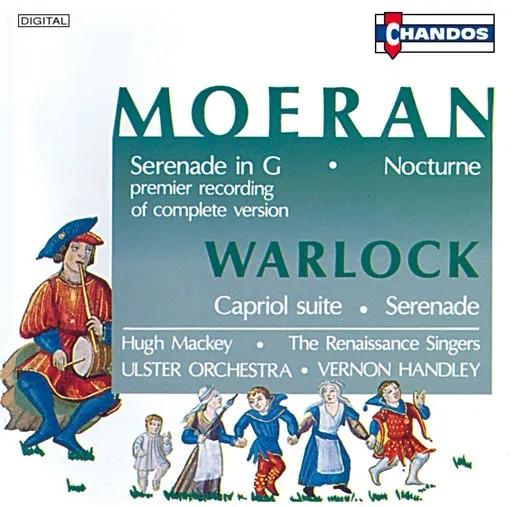
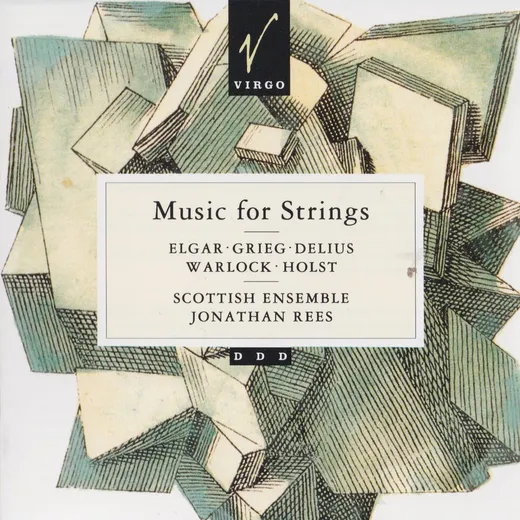
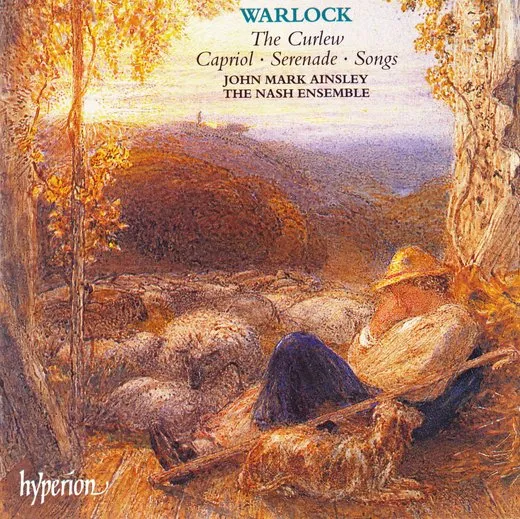

-
2003
Arrangements for Piano 4 Hands by Peter Warlock
-
2003
The English Song Series, Volume 4: The Curlew / Lillygay / Peterisms, Sets 1 & 2 / Saudades
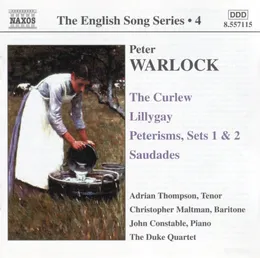
-
2006
Capriol Suite / The Curlew / Six Italian Dance Tunes

-
2007
Through Gold and Silver Clouds
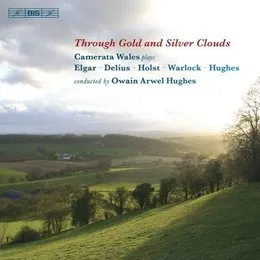
-
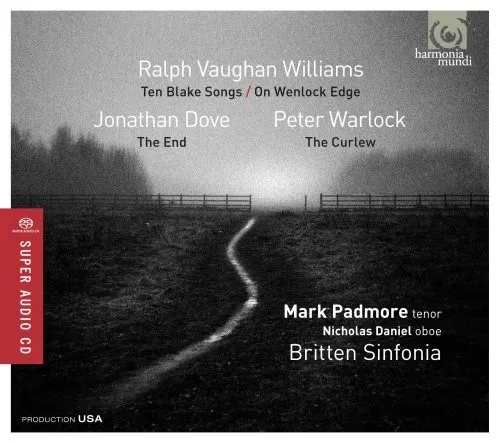
2013
Ten Blake Songs / On Wenlock Edge / The End / The Curlew
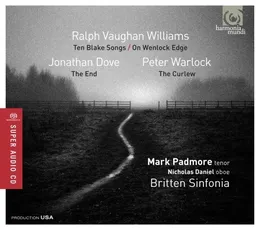
-
2014
Choral Music
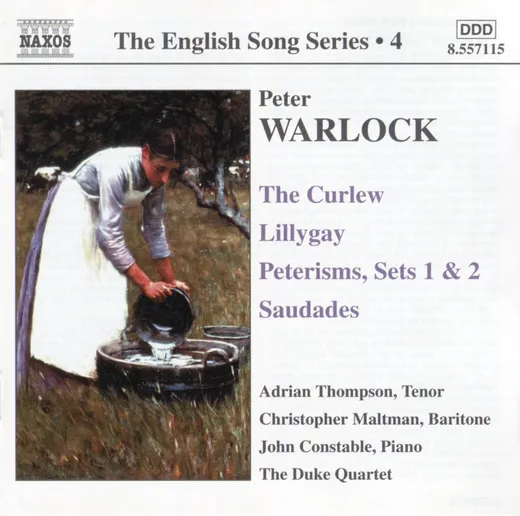




Live, Kompilationen & Demos 2
Gezeigt wird eine Auswahl von 25 Veröffentlichungen. Vollständige Diskografie bei MusicBrainz
Beschreibung
Peter Warlock was a pseudonym of Philip Arnold Heseltine (October 30, 1894 - December 17, 1930), an Anglo-Welsh composer and music critic. Although he used his own name when writing as a music critic, he composed under the pseudonym "Peter Warlock" and is now better known by this name.
Heseltine's education was mainly classical, including studies at Eton College, at Christ Church, Oxford (for one year), and at University College London (one term). In music, he was mostly self-taught, studying composition on his own from the works of composers he admired, notably Frederick Delius, Roger Quilter and Bernard van Dieren. He was also strongly influenced by Elizabethan music and poetry as well as by Celtic culture (he studied the Cornish, Welsh, Irish, Manx, and Breton languages).
Heseltine wrote his earliest mature compositions under the newly adopted pseudonym Peter Warlock, following his sojourn in Ireland of 1917-1918. His most prolific period, both as a composer and author, was in the early 1920s when he withdrew from the financial and social pressures of London to his mother's and stepfather's house, "Cefn Bryntalch", in Montgomeryshire, mid-Wales, where he wrote some of his finest songs, finally completing his song-cycle The Curlew to poems by W. B. Yeats. During this period he also met Bartók, who visited him while returning from a concert in Aberystwyth arranged by Professor Walford Davies, and whose influence can perhaps be seen in The Curlew.
Between 1925 and 1929 was one of the most fruitful periods of his life, but by the end of the 1920s his creativity was on the decrease and he had to support himself on music criticism again. He was suffering from severe depression, but whether his death from gas poisoning at the age of 36 was suicide or an accident is not known for certain.
Kommentare
0Bitte anmelden, um zu kommentieren.
Noch keine Kommentare – sei die/der Erste, die/der etwas zu Peter Warlock schreibt!