Diskografie
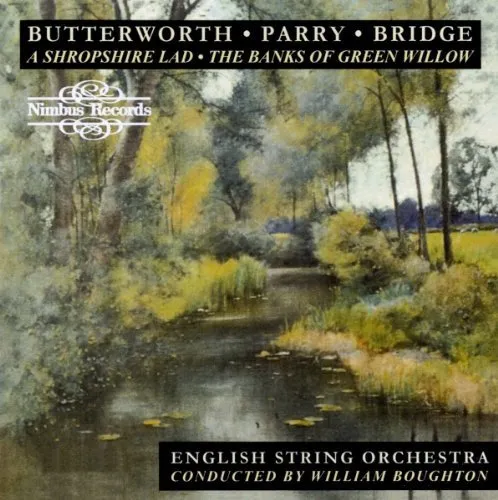
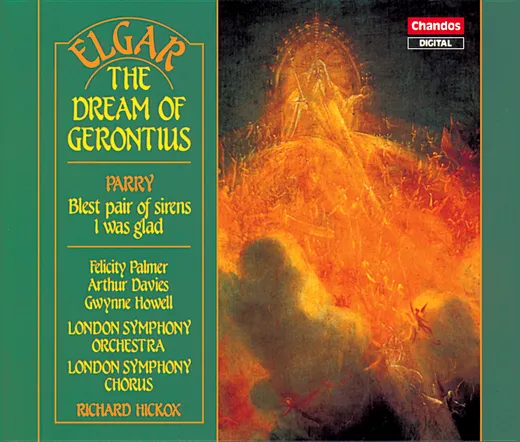
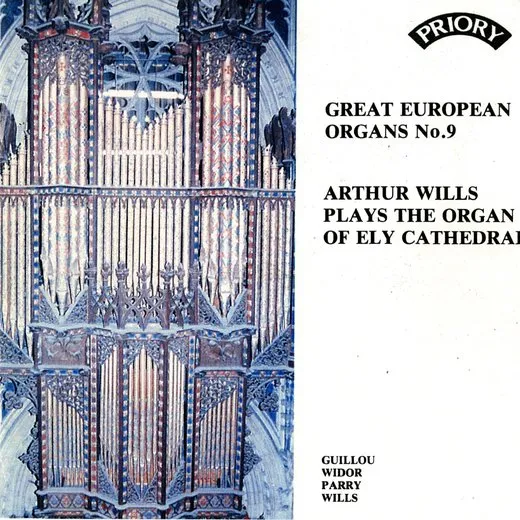
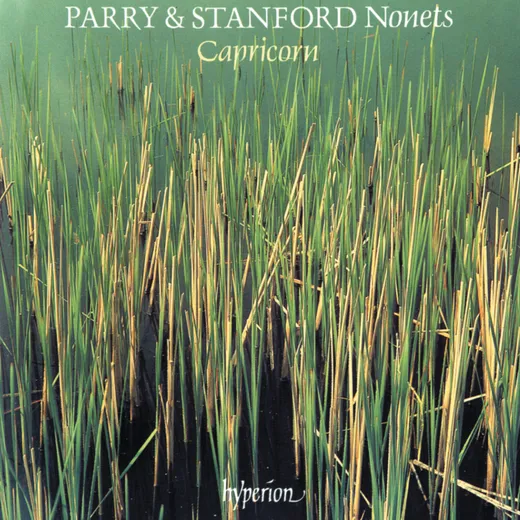
-
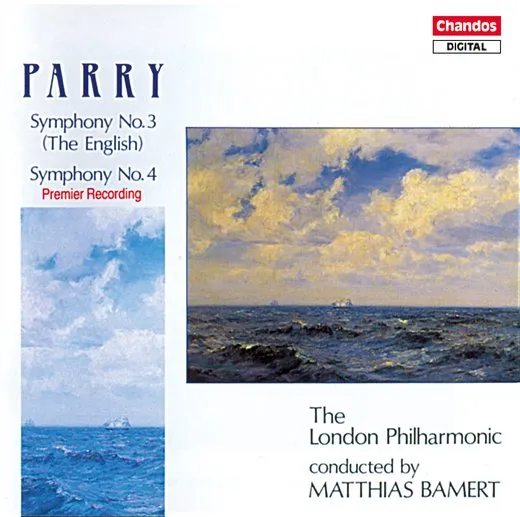
1991
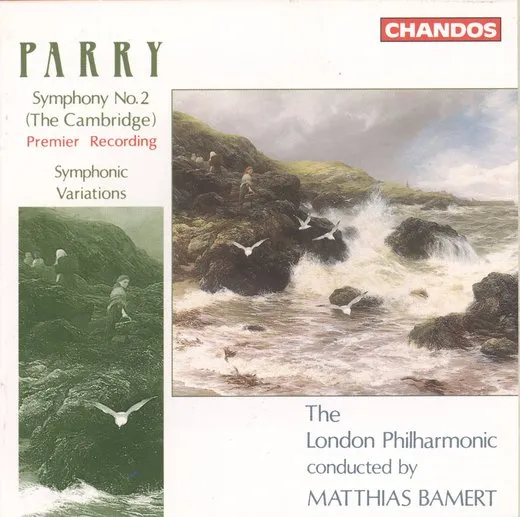
Symphony no. 2 The Cambridge" / Symphonic Variations
-
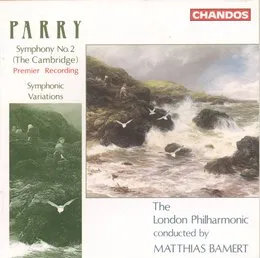
1991
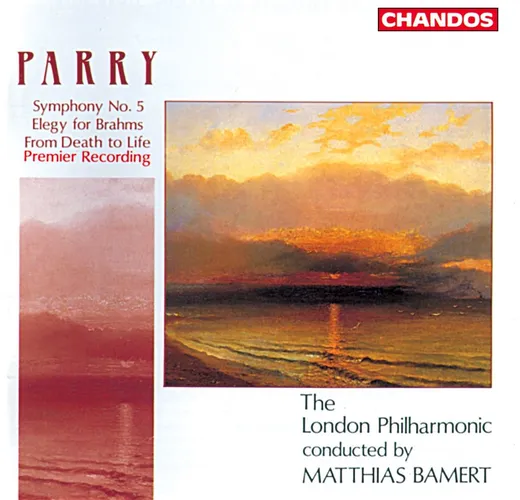
Symphony no. 5 / Elegy for Brahms / From Death to Life
-
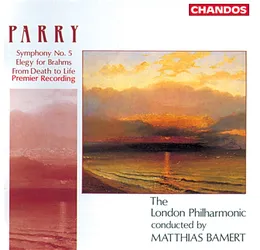
1991
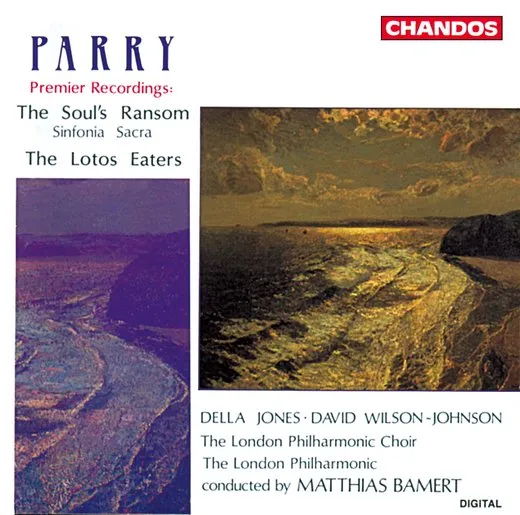
The Soul’s Ransom (Sinfonia Sacra) / The Lotos Eaters
-
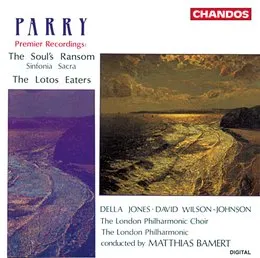
1991
Violin Sonata in D major / Fantasie Sonata in B major / Twelve Short Pieces

-
1992
Boult conducts Parry

-
1992
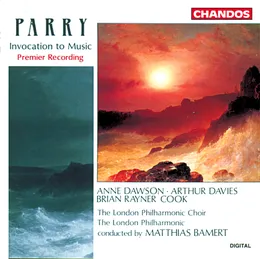
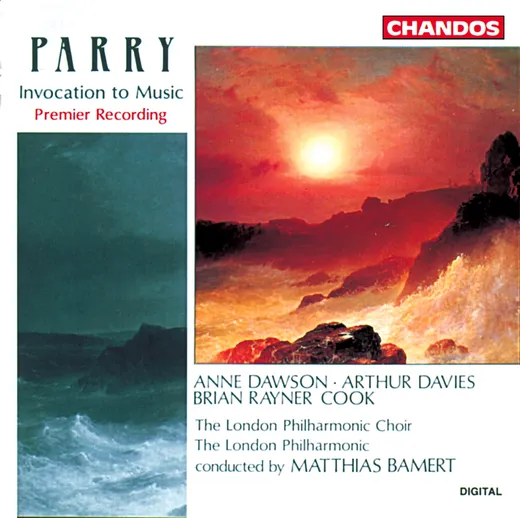
Invocation to Music
-
1992
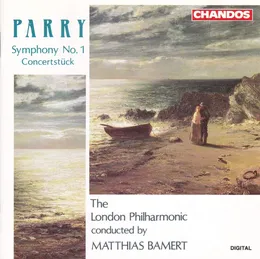
Symphony no. 1 / Concertstück



-
1994
Parry: Songs of Farewell / Stanford: Three Motets / Stanford: Eternal Father / Stanford: Magnificat
-
1995
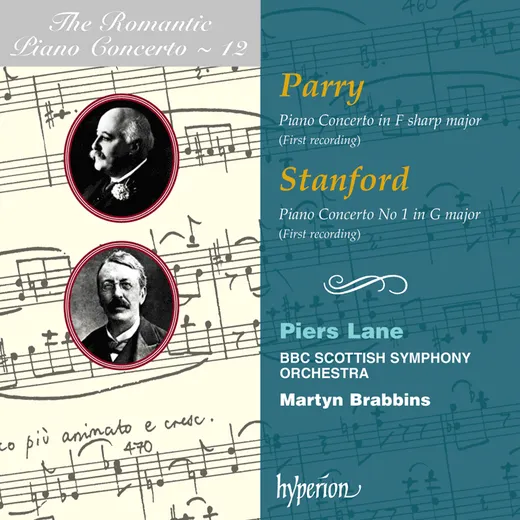
The Romantic Piano Concerto, Volume 12: Parry: Piano Concerto in F-sharp major / Stanford: Piano Concerto no. 1 in G major
-
1996
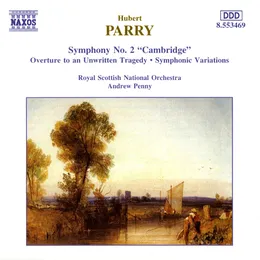
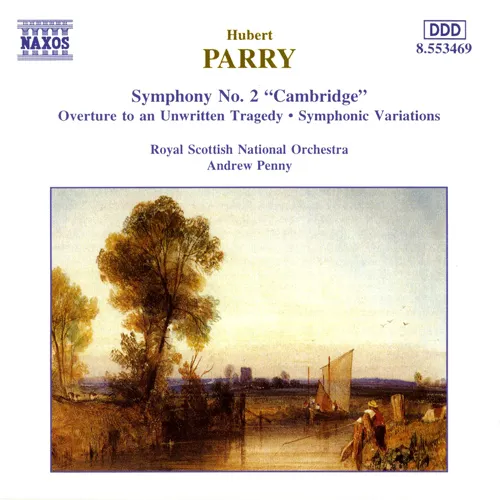
Symphony no. 2 "Cambridge" / Overture to an Unwritten Tragedy / Symphonic Variations
-
1998
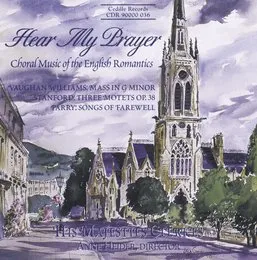
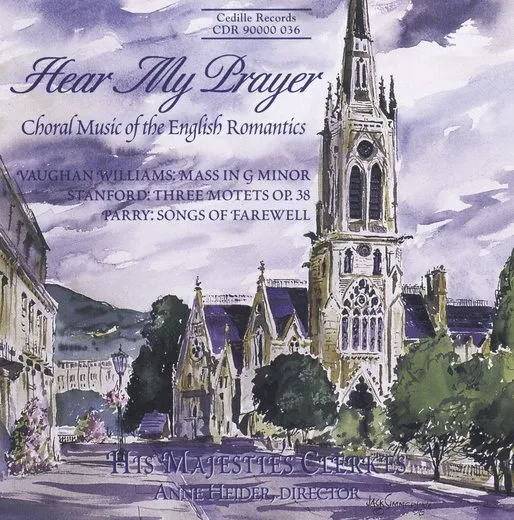
Hear My Prayer: Choral Music of the English Romantics
-
1998
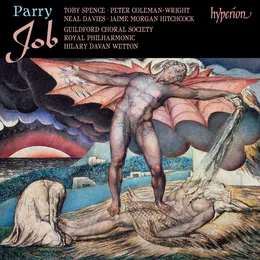
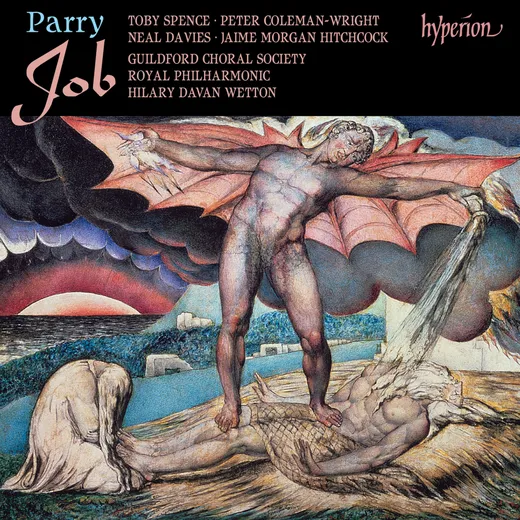
Job
-
2000
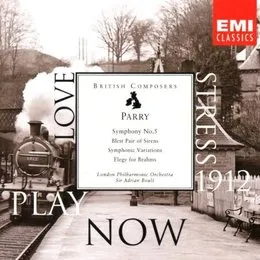
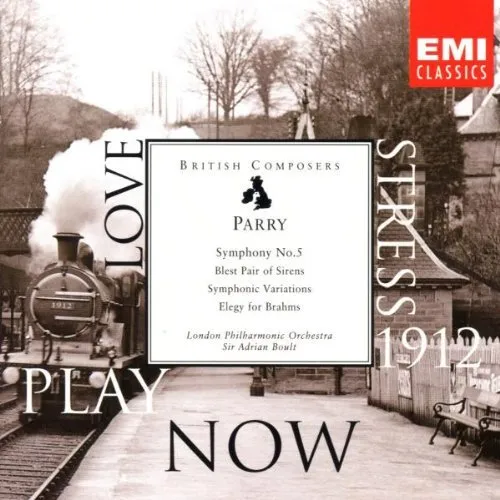
Symphony No. 5 / Blest Pair of Sirens / Symphonic Variations / Elegy for Brahms
-
2003
Elgar: Coronation Ode / The Spirit of England / Parry: I Was Glad
-
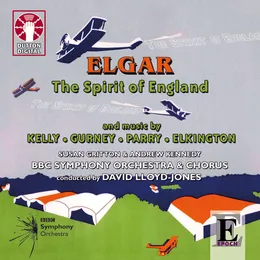
2006
The Spirit of England
-
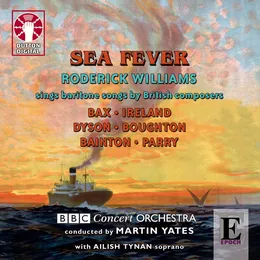
2007
Sea Fever: Roderick Williams Sings Baritone Songs by British Composers
-
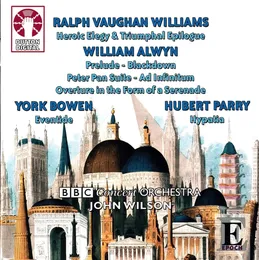
2009
Vaughan Williams: Heroic Elegy & Triumphal Epilogue / Alwyn: Prelude / Blackdown / Peter Pan Suite / Ad Infinitum / Overture in the Form of a Serenade / Bowen: Eventide / Parry: Hypatia
-
2009
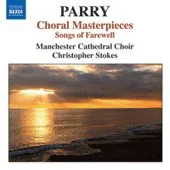
Choral Masterpieces: Songs of Farewell / I Was Glad / Jerusalem
-
2011
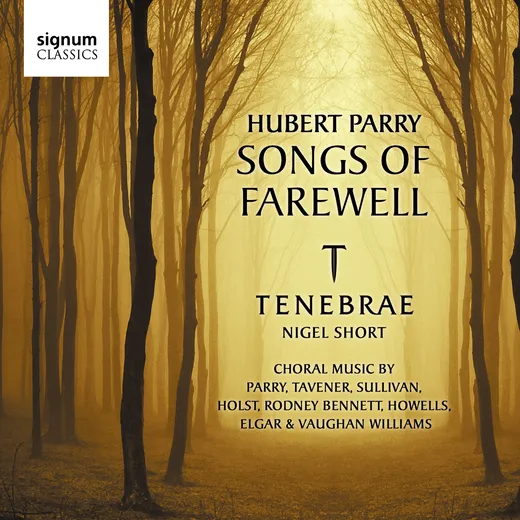
Songs of Farewell
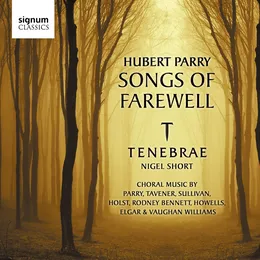
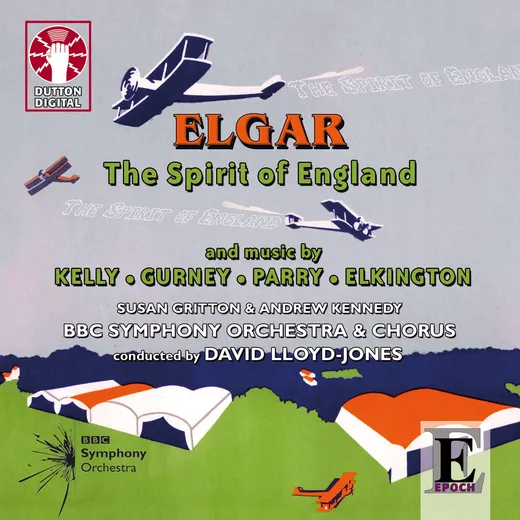
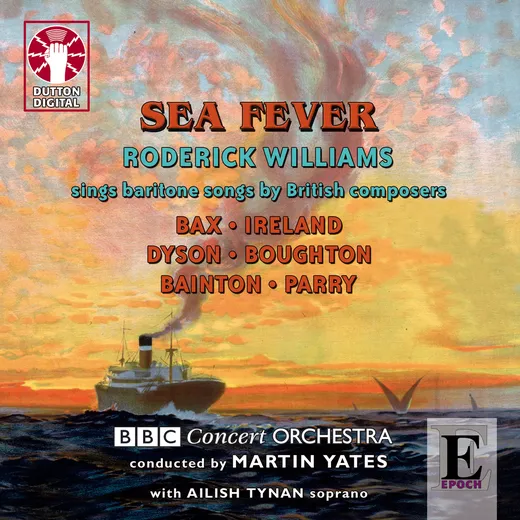
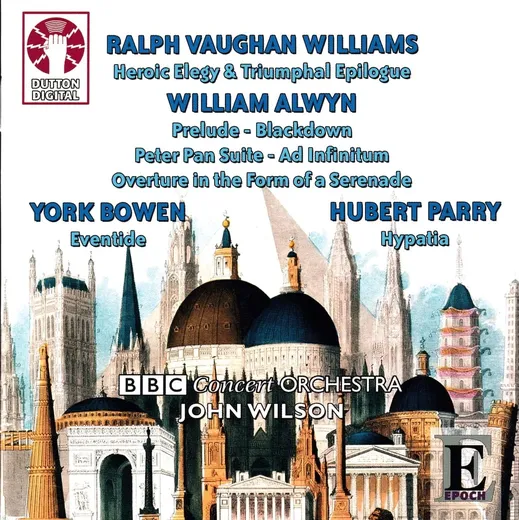
Gezeigt wird eine Auswahl von 25 Veröffentlichungen. Vollständige Diskografie bei MusicBrainz
Beschreibung
Sir Charles Hubert Hastings Parry (February 27, 1848 – October 7, 1918) was an English composer, probably best known for his setting of William Blake's poem, Jerusalem, the coronation anthem I was glad and the hymn tune Repton set to Dear Lord and Father of Mankind.
Born in Bournemouth, Hampshire, and brought up at Highnam Court, Gloucestershire, he was the son of an amateur artist, and was educated at Eton and Exeter College, Oxford. He studied with the English-born composer Henry Hugo Pierson in Stuttgart, and with William Sterndale Bennett and the pianist Edward Dannreuther in London. His first major works appeared in 1880: a piano concerto and a choral setting of scenes from Shelley's Prometheus Unbound. The first performance of the latter has often been held to mark the start of a "renaissance" in English classical music. Parry scored a greater contemporary success, however, with the ode Blest Pair of Sirens (1887) which established him as the leading English choral composer of his day. Among the most successful of a long series of similar works were the Ode on Saint Cecilia's Day (1889), the oratorios Judith (1888) and Job (1892), the psalm-setting De Profundis (1891) and The Pied Piper of Hamelin (1905). His orchestral works from this period include four symphonies, a set of Symphonic Variations in E minor, the Overture to an Unwritten Tragedy (1893) and the Elegy for Brahms (1897).
Parry joined the staff of the Royal College of Music in 1884 and was appointed its director in 1894, a post he held until his death. In 1900 he succeeded John Stainer as professor of music at Oxford University. His later music includes a series of six "ethical cantatas", experimental works in which he hoped to supersede the traditional oratorio and cantata forms. They were generally unsuccessful with the public, though Elgar admired The Vision of Life (1907) and The Soul's Ransom (1906) has had several modern performances. He resigned his Oxford appointment on doctor's advice in 1908 and in the last decade of his life produced some of his finest works, including the Symphonic Fantasia '1912' (also called Symphony No. 5), the Ode on the Nativity (1912), Jerusalem (1916) and the Songs of Farewell (1916–1918).
Influenced as a composer principally by Bach and Brahms, Parry evolved a powerful diatonic style which itself greatly influenced future English composers such as Elgar and Vaughan Williams. His own full development as a composer was almost certainly hampered by the immense amount of work he took on, but his energy and charisma, not to mention his abilities as a teacher and administrator, helped establish art music at the centre of English cultural life. He collaborated with the poet Robert Bridges, and was responsible for many books on music, including The Evolution of the Art of Music (1896), the third volume of the Oxford History of Music (1907) and a study of Bach (1909).
The site of his house in Richmond Hill, Bournemouth, next door to The Square is marked with a blue plaque.
Kommentare
0Bitte anmelden, um zu kommentieren.
Noch keine Kommentare – sei die/der Erste, die/der etwas zu Hubert Parry schreibt!