Diskografie
-
1958
Violinkonzert Nr. 1 g-moll
-
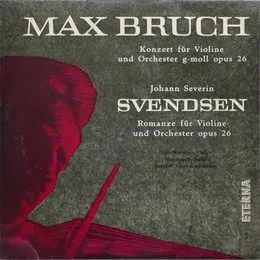
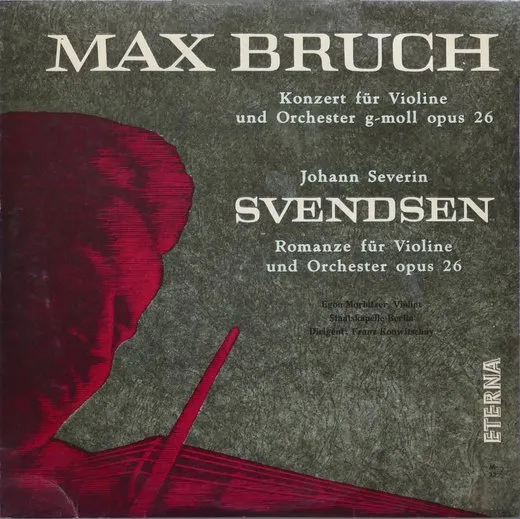
1962
Bruch: Konzert für Violine und Orchester g-moll, op. 26 / Svendsen: Romanze für Violine und Orchester, op. 26
-
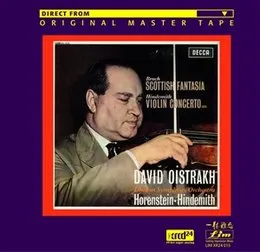
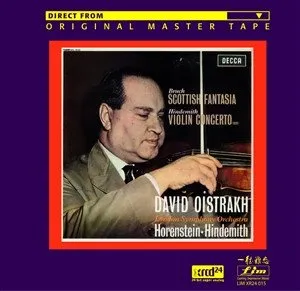
1962
Bruch: Scotish Fantasia, op.46 / Hindemith: Violin Concerto (1939)
-
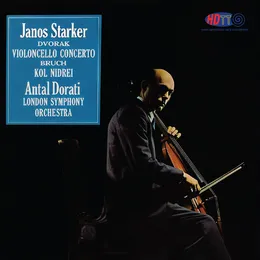
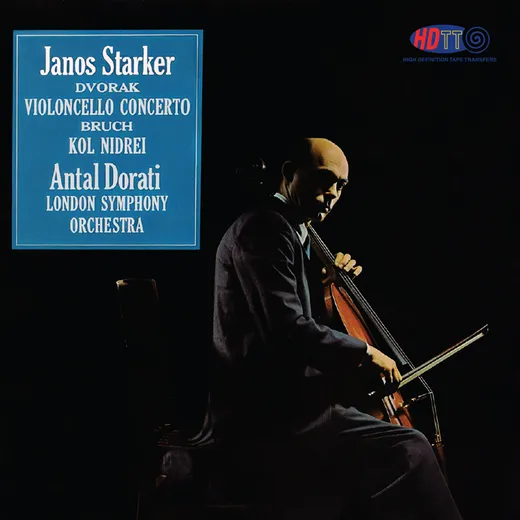
1962
Dvorak: Violoncello Concerto / Bruch: Kol Nidrei
-
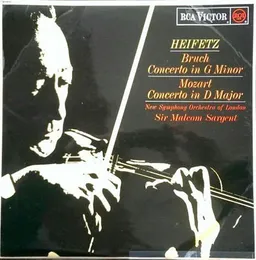
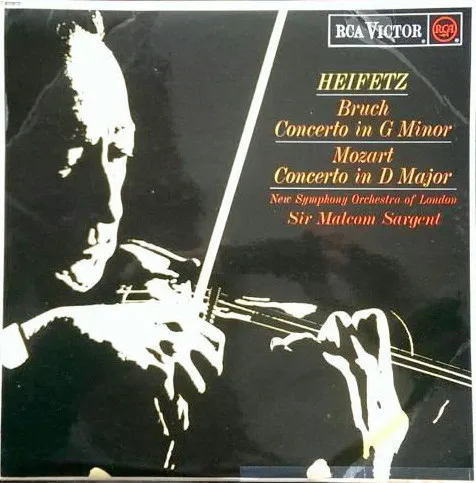
1963
Bruch: Concerto in G minor / Mozart: Concerto in D major
-
1964
Concertos pour violoncelle et orchestre / Kol Nidrei
-
1965
Mendelssohn: Concerto for Violin & Orchestra / Bruch: Scottish Fantasy
-
1970
The World of the Great Classics, Vol. 3: Violin Concertos

-
1972
Dvořák: Cello Concerto / Bruch: Kol Nidrei

-
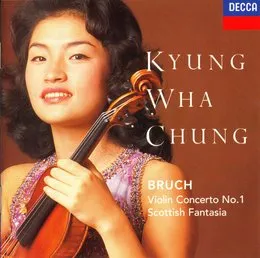
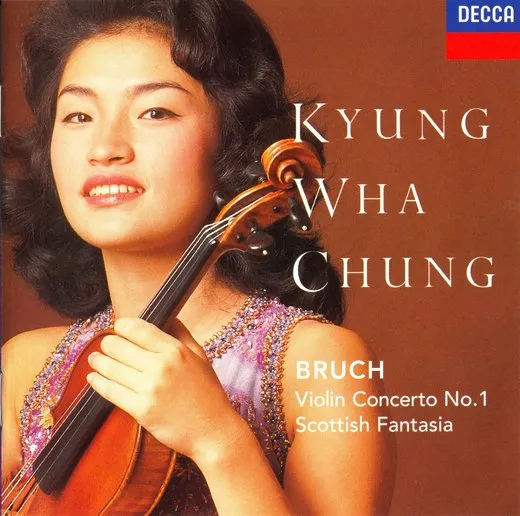
1972
Violin Concerto no. 1 / Scottish Fantasia
-
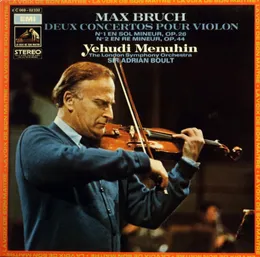
1973
Deux Concertos Pour Violon - N° 1 En Sol Mineur, Op. 26 / N° 2 En Re Mineur, Op. 44
-
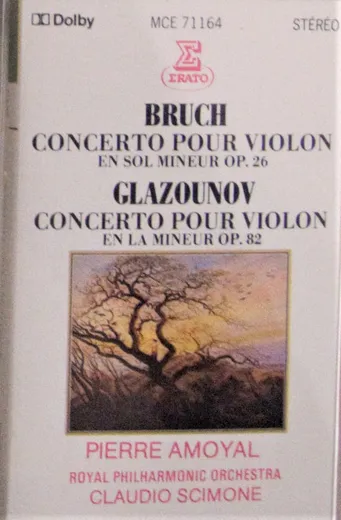
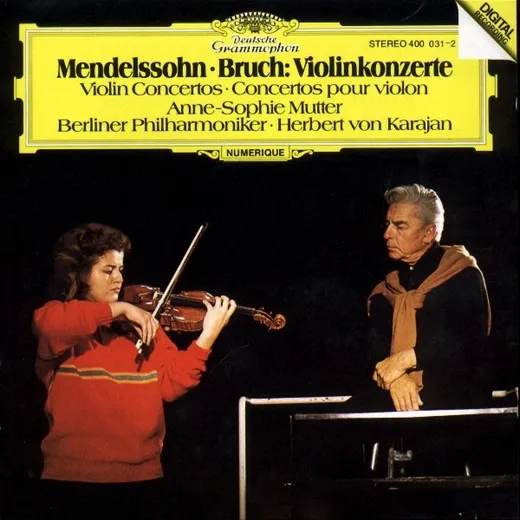
1974
Bruch: Violinkonzert Nr. 1 g-moll, op. 26 / Mendelssohn: Violinkonzert e-moll, op. 64





-
1983
Dvořák: Cello Concerto / Bruch: Kol Nidrei

-
1984
Mendelssohn: Violin Concerto in E minor / Bruch: Violin Concerto No. 1 in G minor

-
1984
Mendelssohn: Violin Concerto in E minor / Bruch: Violin Concerto in G minor
-
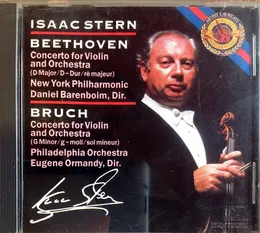
1987
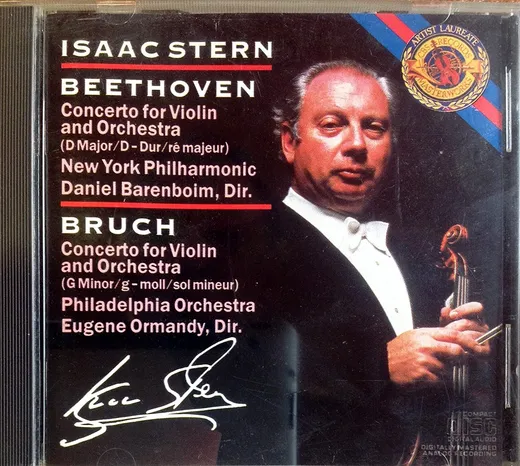
Beethoven: Concerto for Violin and Orchestra / Bruch: Concerto for Violin and Orchestra
-
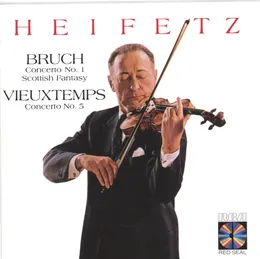
1987
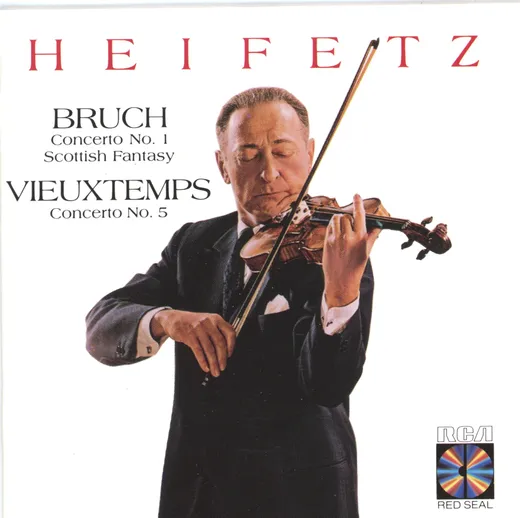
Bruch: Scottish Fantasy / Concerto no. 1 / Vieuxtemps: Concerto no. 5


Live, Kompilationen & Demos 3
Gezeigt wird eine Auswahl von 25 Veröffentlichungen. Vollständige Diskografie bei MusicBrainz
Beschreibung
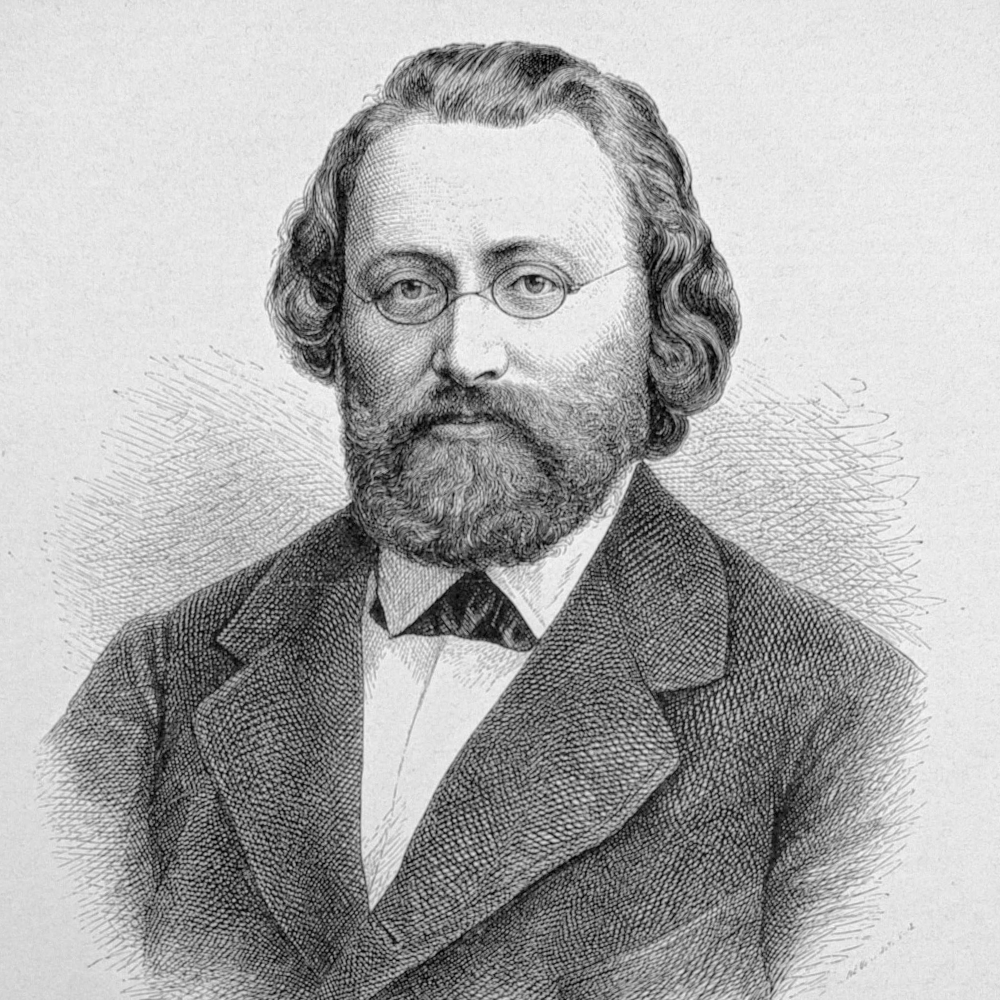
Max Bruch (6 January 1838 – 2 October 1920) was a German Romantic composer, violinist, teacher, and conductor who composed over 200 works, including three violin concertos. Born in Cologne to a singer mother and an attorney father, he showed musical talent from a young age and was trained by Ferdinand Hiller and others. He held various musical positions in Germany and served as conductor of the Liverpool Philharmonic Society from 1880 to 1883. Bruch taught composition at the Berlin Hochschule für Musik until his retirement in 1910.
Bruch married singer Clara Tuczek in 1881, and they had four children. He died in Berlin in 1920 and was buried with his wife.
His most famous work is the Violin Concerto No. 1 in G minor, Op. 26, which remains a staple of the violin repertoire. Other well-known pieces include the Scottish Fantasy for violin and orchestra and Kol Nidrei, Op. 47, for cello and orchestra, which draws on Jewish melodies. Although some assumed Bruch was of Jewish descent because of this work, he was raised Protestant and denied any Jewish ancestry. His music was restricted under the Nazi regime due to these misconceptions.
Bruch’s style aligned with the Romantic tradition of Brahms rather than the more progressive styles of Liszt or Wagner. He also composed chamber music, symphonies, and works for solo instruments with orchestra. Later in life, he arranged a suite inspired by a procession in Capri into a concerto for two pianos and orchestra, written for the American Sutro sisters.
Violinists Joseph Joachim and Willy Hess advised Bruch on his violin compositions, with Hess premiering several works written for him.
Kommentare
0Bitte anmelden, um zu kommentieren.
Noch keine Kommentare – sei die/der Erste, die/der etwas zu Max Bruch schreibt!