Beschreibung
Matthias Weckmann (1616?-1674) was a North German musician and composer of the Baroque period.
Weckmann was born in Niederdorla (Thuringia), probably in 1616. His musical training took place in Dresden (as a chorister at the Saxon Court, under the direction of Heinrich Schütz), then in Hamburg where he worked with the famous organist Jacob Praetorius at Saint Peter's church (Petrikirche).
He was introduced to the Italian concertato, polychoral, and monodic styles (because Schütz had journeyed in Italy when a young man and he had met Giovanni Gabrieli and Claudio Monteverdi) as well as the style of Jan Pieterszoon Sweelinck's pupils, some of whom had settled in Hamburg. Weckmann travelled to Denmark in 1637 with Schütz, became organist in Dresden at the Electoral Court of Saxony from 1638 to 1642, and returned to Denmark until 1647 (during the Thirty Years' War).
On a new (and his last) stay in Dresden from 1649 to 1655, he met Johann Jakob Froberger during a musical competition which had been organised by the Elector. They remained friends, and in correspondence with each other. In 1655, after a competition, he was named titular organist at Saint James church (Jakobkirche) in Hamburg, and spent his remaining life there. He founded a renowned orchestral ensemble, the Collegium Musicum, in Hamburg. This was the most productive period of his life; his compositions of this time include a collection of 1663, which set sacred texts mentioning the terrible plague which killed many of his colleagues in Hamburg that year, including Heinrich Scheidemann. He himself died in Hamburg on 24th February 1674
Weckmann composed choral variations and preludes for the organ, pieces that mixed Italian and French influences for the harpsichord, various sonatas for three or four instruments, as well as orchestral and vocal sacred music. Stylistically, he mostly followed the progressive tendencies of Schütz, including the concertato idiom and the trend to increasing chromaticism and contrapuntal and motivic complexity; in this regard he went against the prevailing trends of the time towards simplification, much of which can be seen in Schütz's later music. Weckmann is a good example of a composer whose works would have been completely lost to history, had it not been for the nineteenth-century interest in researching the predecessors of Johann Sebastian Bach.
Alben
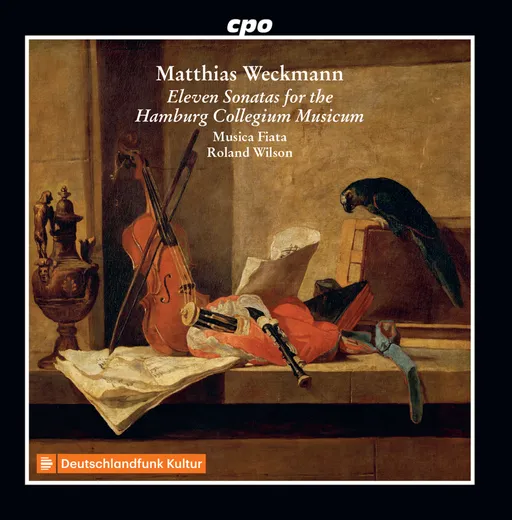
Eleven Sonatas for the Hamburg Collegium Musicum
2022-06-17
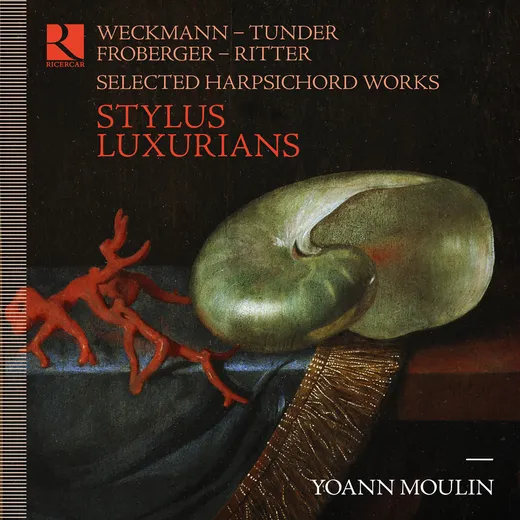
Stylus Luxurians
2021-10-01
Complete Works
2016
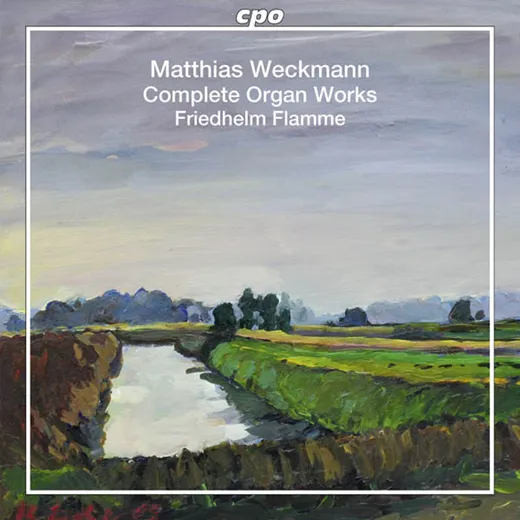
Complete Organ Works
2014-05
Complete Organ Works
2014

Conjuratio
2013
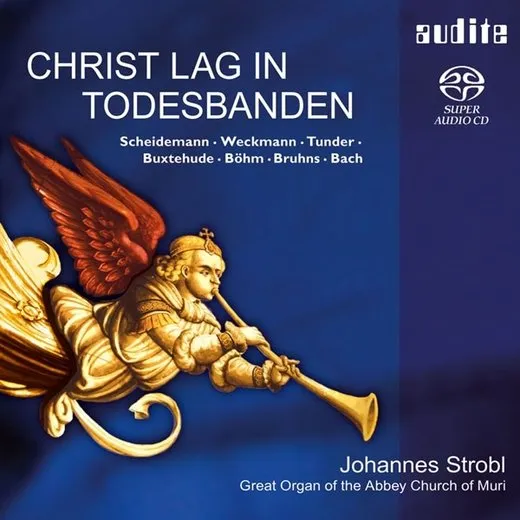
Christ lag in Todesbanden
2008-02-20
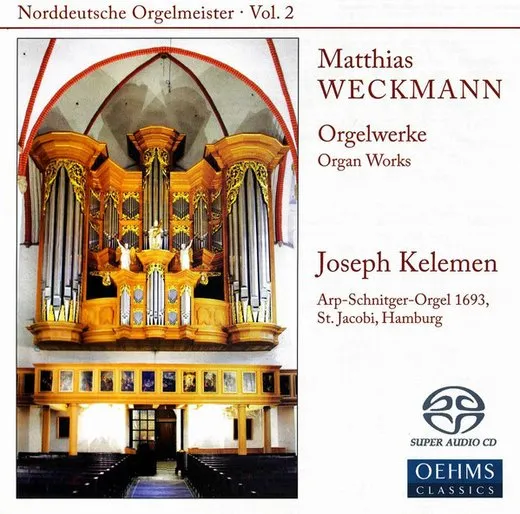
Orgelwerke = Organ Works
2008
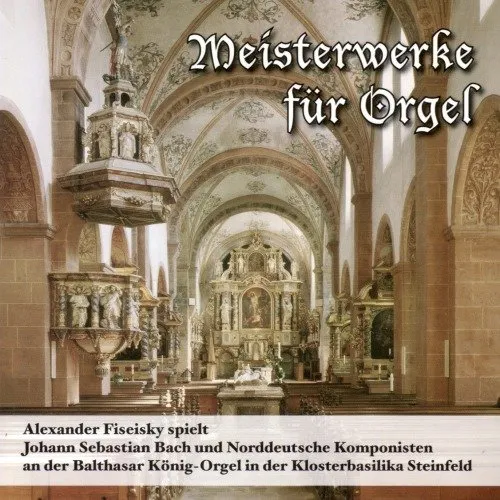
Meisterwerke für Orgel
2007
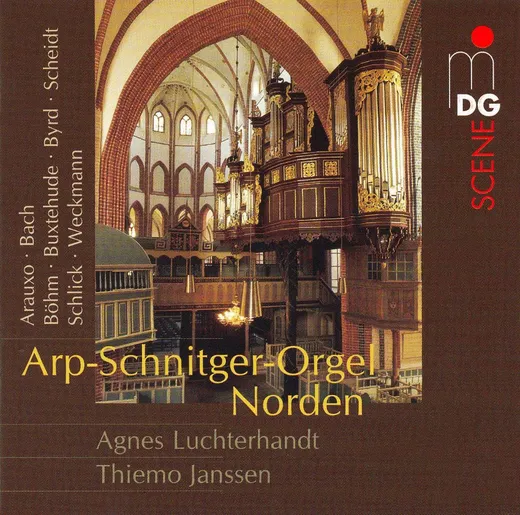
Arp-Schnitger-Orgel Norden Vol. 1
2005

Organ Works, Volume 2
1999-03-22

Organ Works, Volume 1
1998-10-01
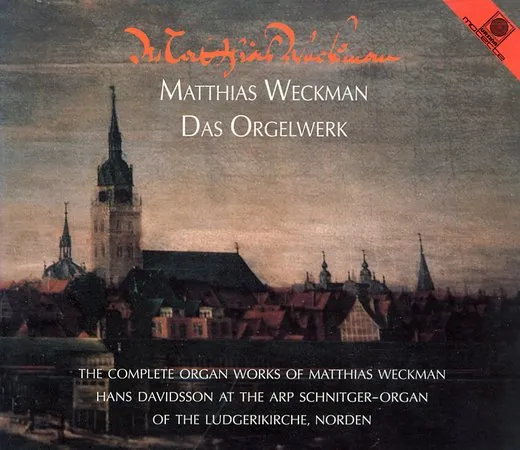
Das Orgelwerk
1991
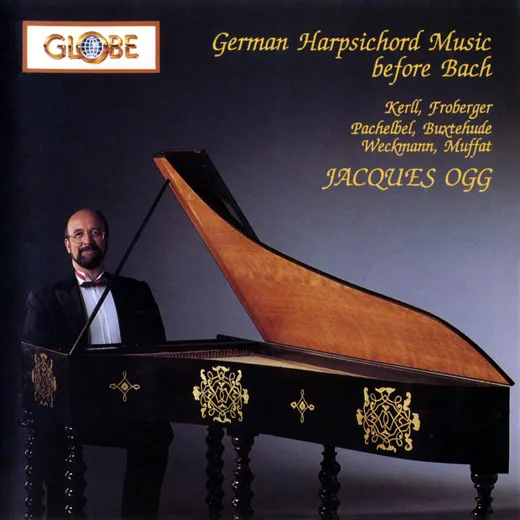
German Harpsichord Music Before Bach
1990
Kommentare
0Bitte anmelden, um zu kommentieren.
Noch keine Kommentare – sei die/der Erste, die/der etwas zu Matthias Weckmann schreibt!