Diskografie
-
1972
The Music of William Grant Still
-
1993
Africa: Piano Music of William Grant Still
-
1993
Still Symphonies Nos. 1 & 2
-
1993
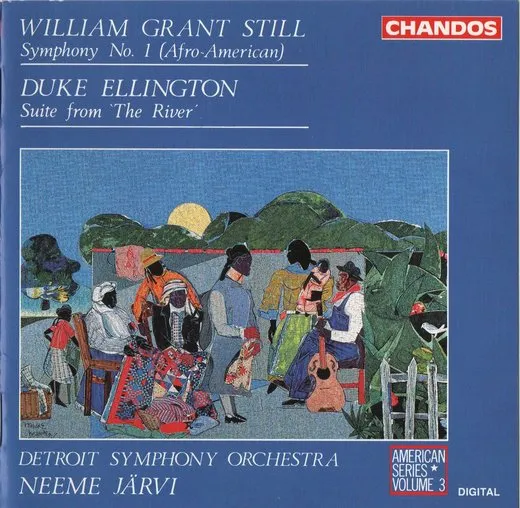
Still: Symphony no. 1 "Afro-American" / Ellington: Suite from "The River"
-
1993
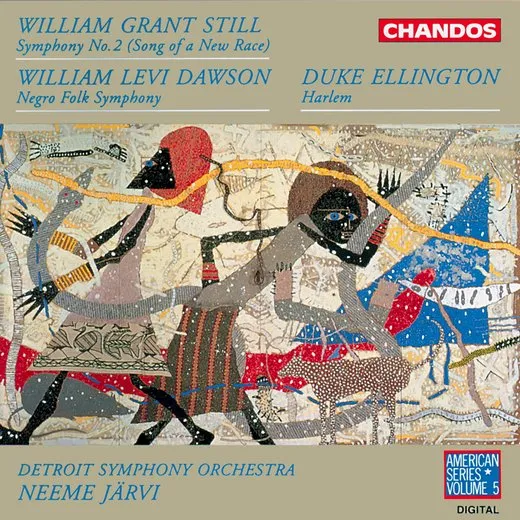
Still: Symphony no. 2 "Song of a New Race" / Dawson: Negro Folk Symphony / Ellington: Harlem
-
1993
Black Diamonds
-
1995
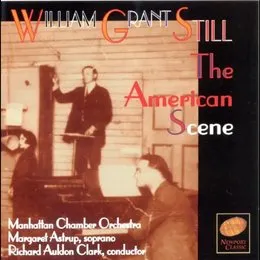
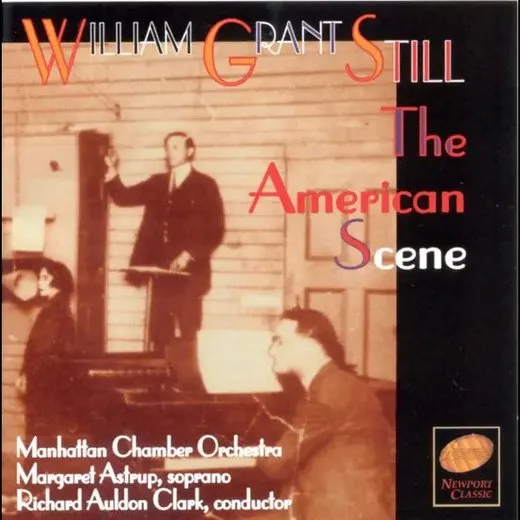
The American Scene
-
1996
A Festive Sunday with William Grant Still
-
1999
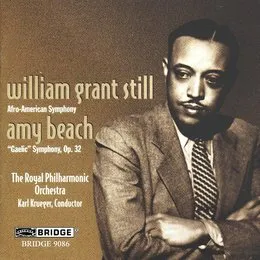
William Grant Still: Afro-American Symphony / Amy Beach: "Gaelic" Symphony, op. 32
-
2002
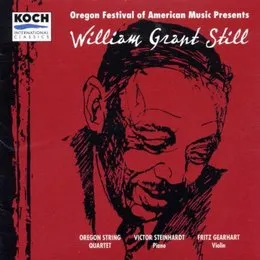
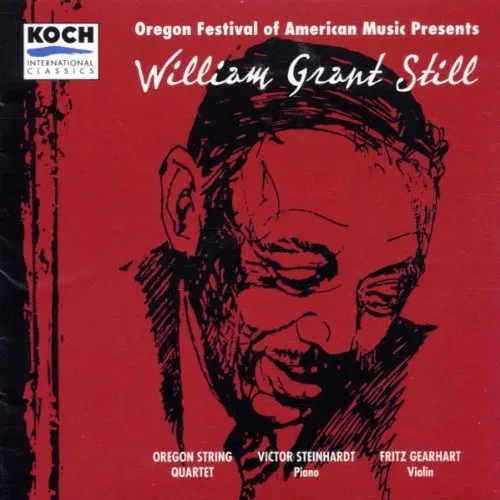
Oregon Festival of American Music Presents William Grant Still
-
2005
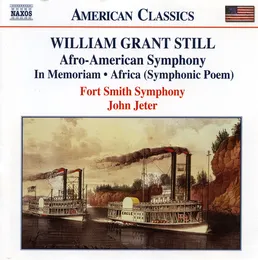
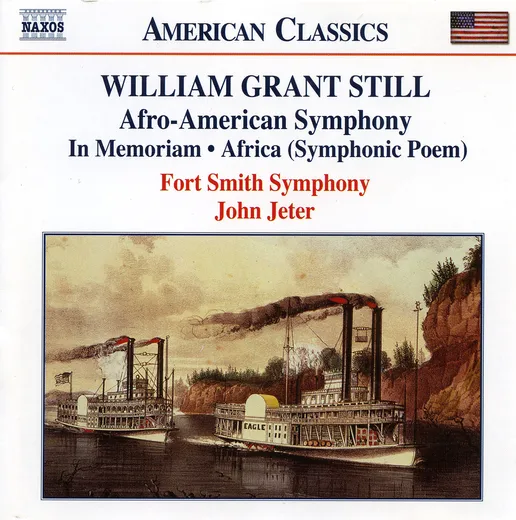
Afro-American Symphony / In Memoriam / Africa (Symphonic Poem)
-
2005
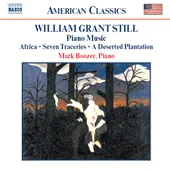
Piano Music
-
2009
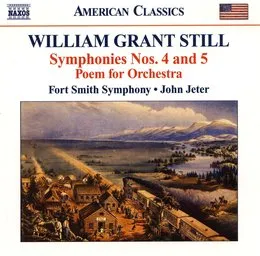
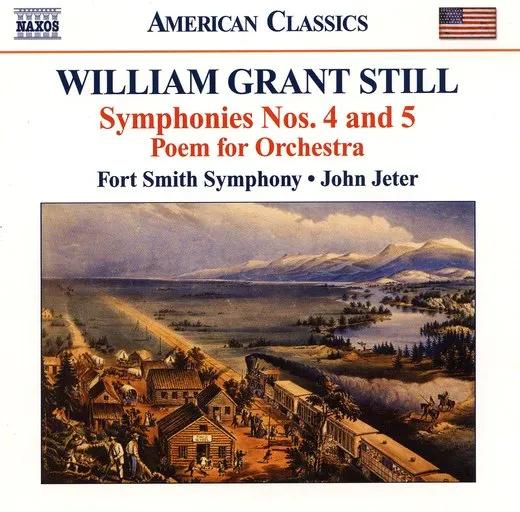
Symphonies nos. 4 and 5 / Poem for Orchestra
-
2011
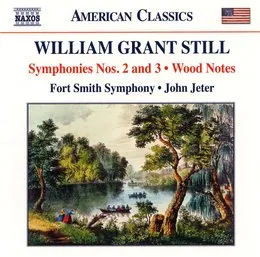
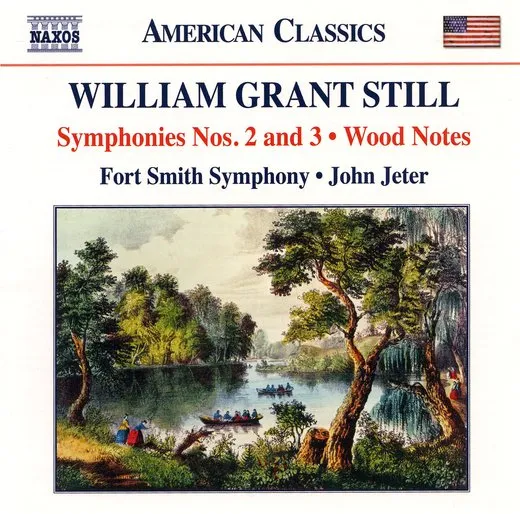
Symphonies nos. 2 and 3 / Wood Notes

-
2018
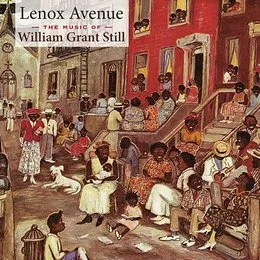
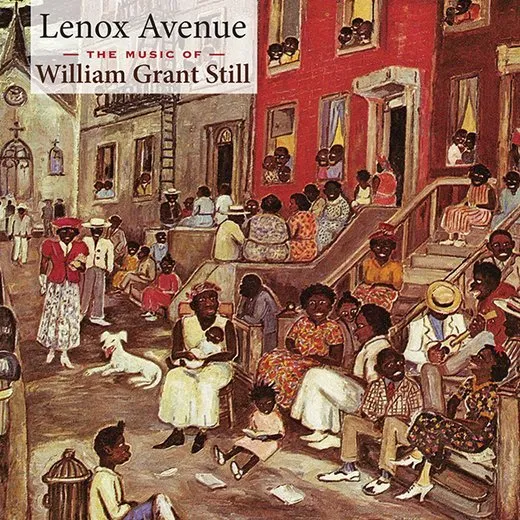
Lenox Avenue: The Music of William Grant Still
-
2019
Still: Afro-American Symphony / Two Arias from "Highway 1, U.S.A." / Coleridge-Taylor: Danse nègre / Onaway! Awake, Beloved from "Hiawatha's Wedding Feast"

-
2022
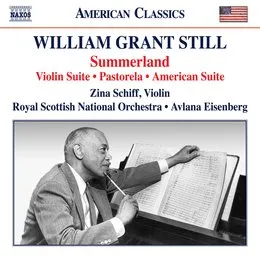
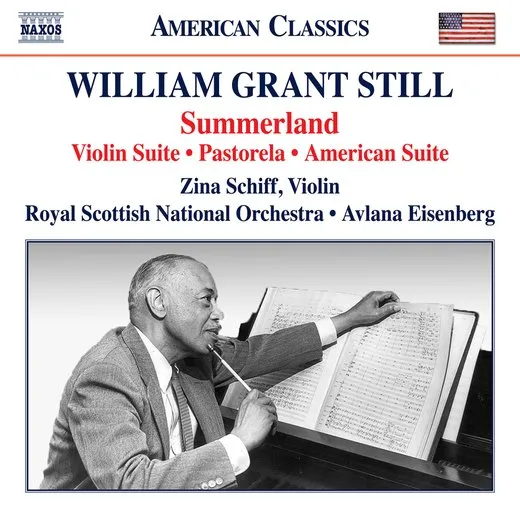
Summerland / Violin Suite / Pastorela / American Suite
-
2023
Uncovered, Vol. 3: Coleridge-Taylor Perkinson, George Walker, William Grant Still

-
2024
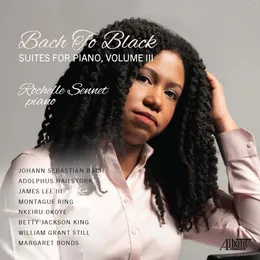
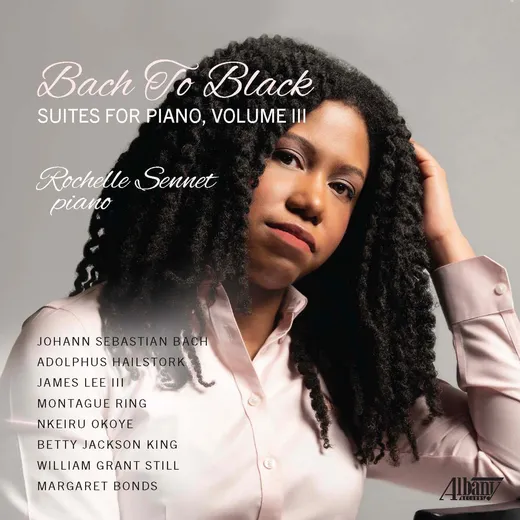
Bach to Black: Suites for Piano, Vol. III
-
2024
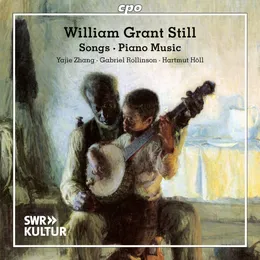
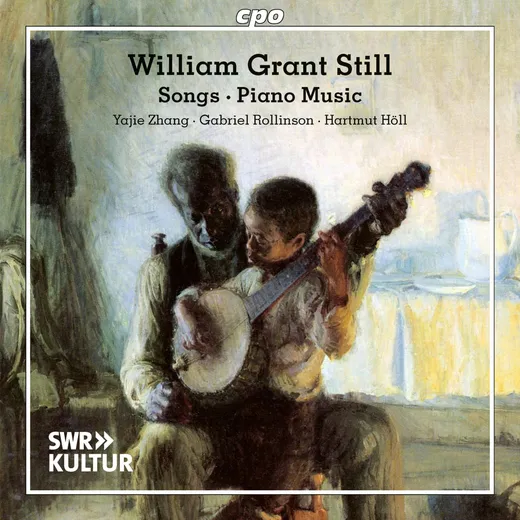
Songs / Piano Music
-
2025
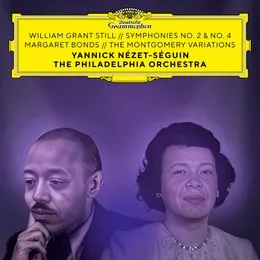
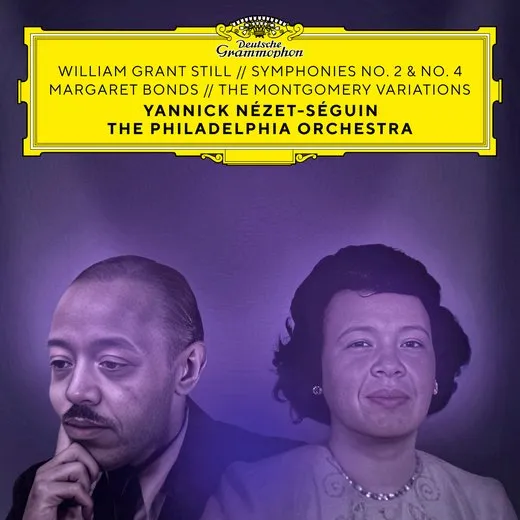
Still: Symphonies no. 2 & no. 4 / Bonds: The Montgomery Variations


EPs & Singles 1

Live, Kompilationen & Demos 2
Beschreibung
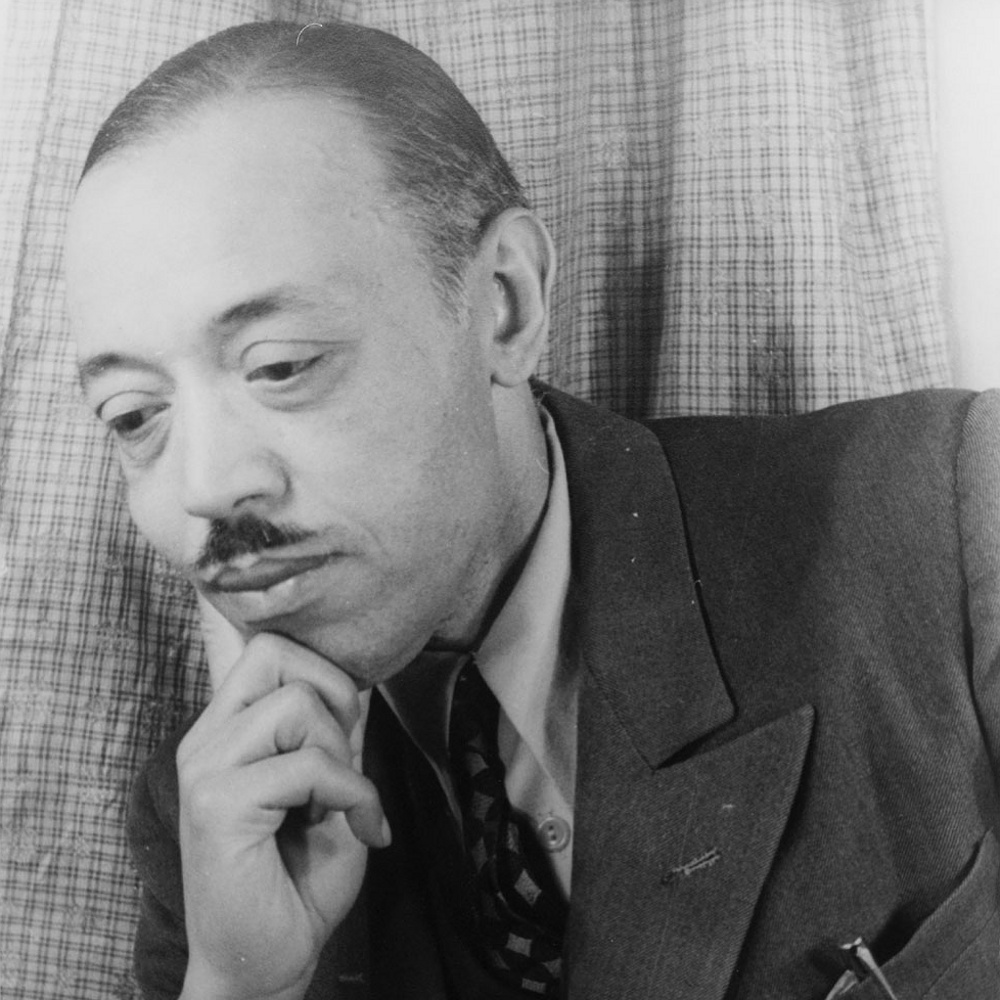
William Grant Still, (born May 11, 1895, Woodville, Mississippi, U.S.—died December 3, 1978, Los Angeles, California), American composer and conductor and the first African American to conduct a professional symphony orchestra in the United States. Though a prolific composer of operas, ballets, symphonies, and other works, he was best known for his first symphony, Afro-American Symphony (1931).
Still was brought up by his mother and grandmother in Little Rock, Arkansas, and studied medicine at Wilberforce University, Ohio, before turning to music. He first studied composition at Oberlin Conservatory of Music in Oberlin, Ohio, then under the conservative George Whitefield Chadwick at the New England Conservatory of Music in Boston, and later under Edgard Varèse during the latter’s most radical avant-garde period. The diversity of Still’s musical education was extended when, in the 1920s, he worked as an arranger for the bandleader Paul Whiteman and for the blues composer W.C. Handy. Early orchestral works included Darker America (1924) and From the Black Belt (1926) for chamber orchestra.
Still’s concern with the position of African Americans in U.S. society is reflected in many of his works, notably the Afro-American Symphony; the ballets Sahdji (1930), set in Africa and composed after extensive study of African music, and Lenox Avenue (1937); and the operas The Troubled Island (1938; produced 1949), with a libretto by Langston Hughes, and Highway No. 1, U.S.A. (produced 1963 and 1977). During this time, Still also made history when he conducted (1936) the Los Angeles Philharmonic. In 1939 he married, settling in Los Angeles.
Still’s compositions from the mid-1930s show the jazz band as a major influence on his eclectic musical style. He made considerable use of material in the African American style—though rarely borrowing actual melodies—and preferred simple, commercial harmonies and orchestration, the use of which, however, was characterized by the highest professionalism and seriousness of purpose.
Kommentare
0Bitte anmelden, um zu kommentieren.
Noch keine Kommentare – sei die/der Erste, die/der etwas zu William Grant Still schreibt!