Diskografie
-
1988
THE ELEPHANT KASHIMASHI
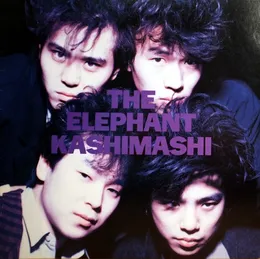
-
1988
THE ELEPHANT KASHIMASHI Ⅱ
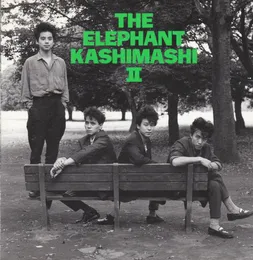
-
1989
浮世の夢
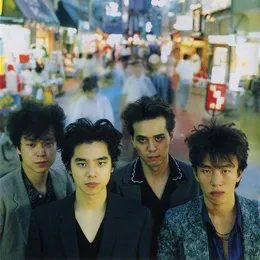
-
1990
生活
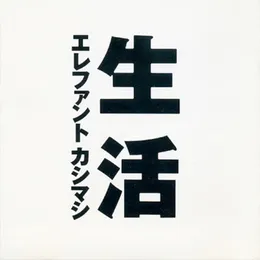
-
1992
エレファントカシマシ5
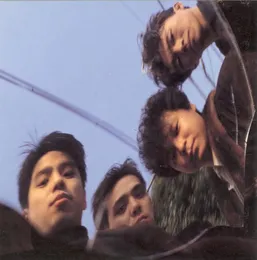
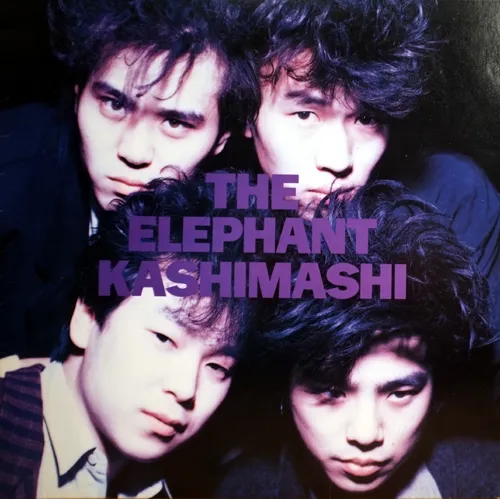
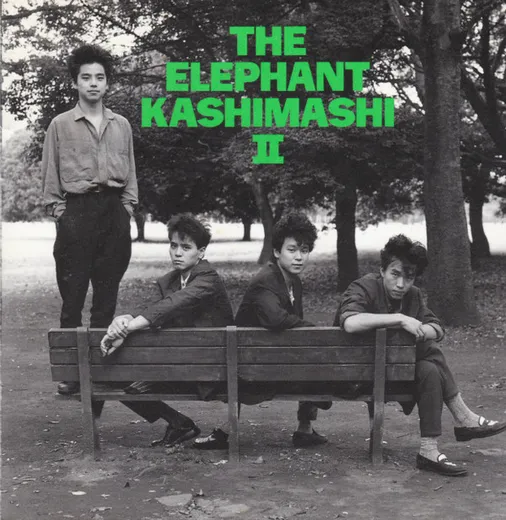
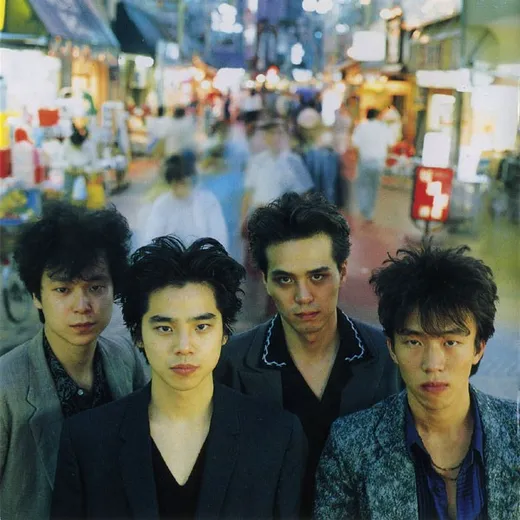


-
1993
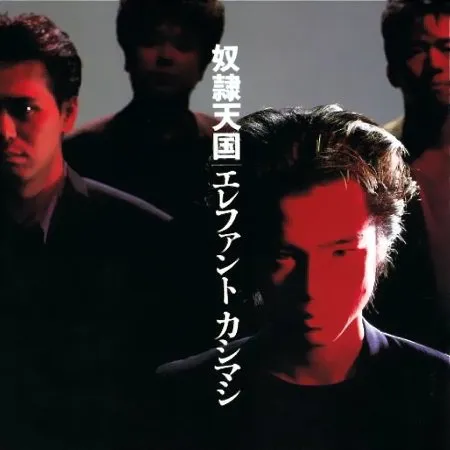
奴隷天国
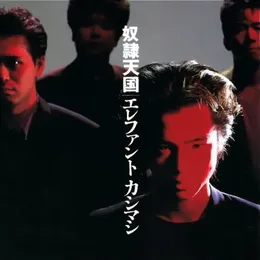
-
1994
東京の空

-
1996
ココロに花を
-
1997
明日に向かって走れ-月夜の歌-

-
1998
愛と夢
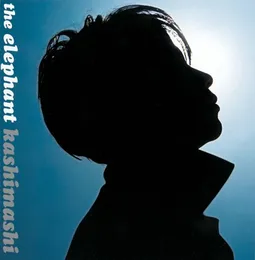
-
2000
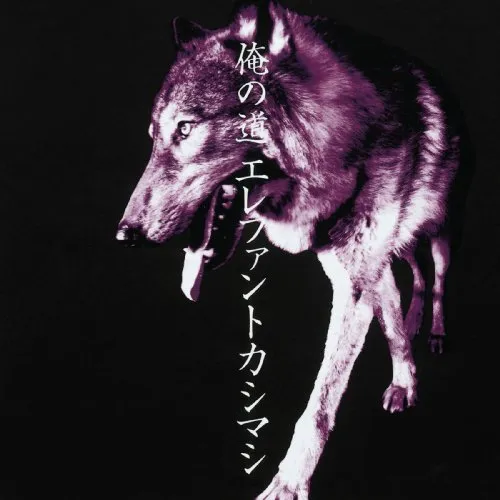
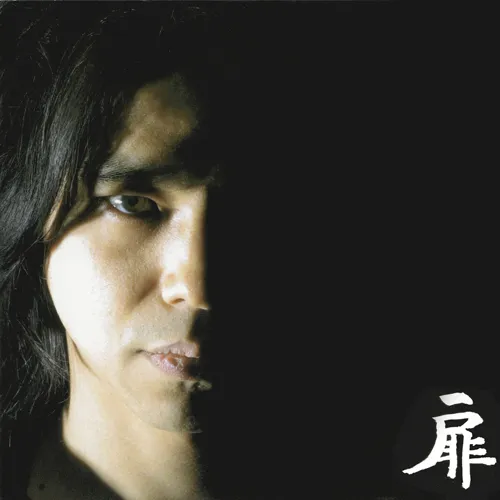
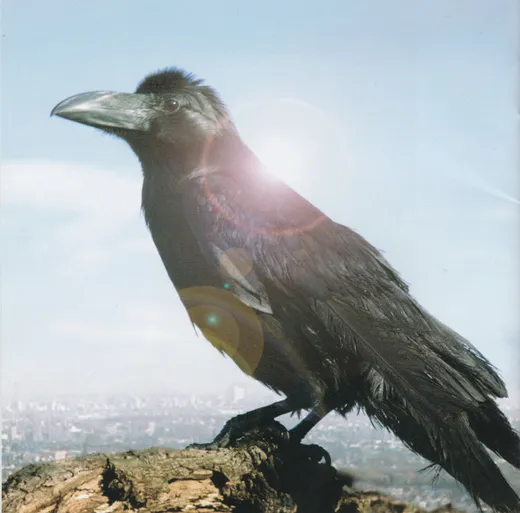
good morning





-
2008
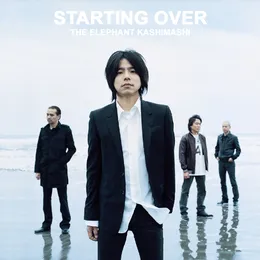
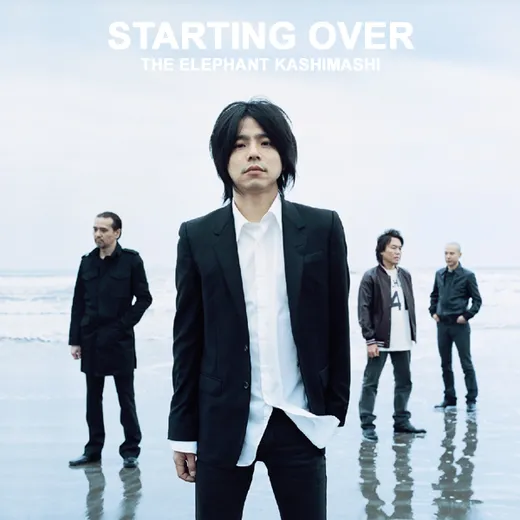
STARTING OVER
-
2009
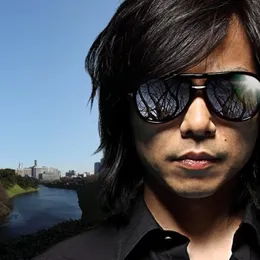
昇れる太陽
-
2010
悪魔のささやき〜そして,心に火を灯す旅〜

-
2012
MASTERPIECE

-
2015
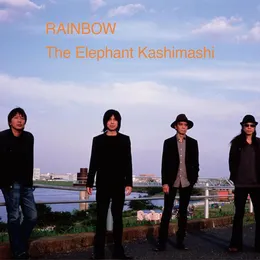
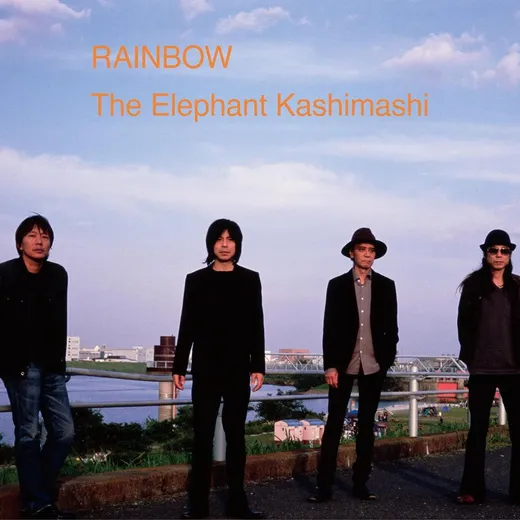
RAINBOW
-
2018
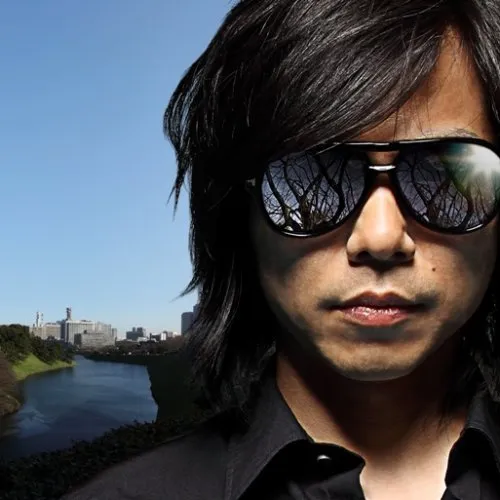
Wake Up




Live, Kompilationen & Demos 2
Gezeigt wird eine Auswahl von 25 Veröffentlichungen. Vollständige Diskografie bei MusicBrainz
Beschreibung
エレファントカシマシ (Elephant Kashimashi aka "Ele-kashi") is a Japanese Alternative rock band, originally formed in Tokyo by Miyamoto, Ishimori and Tominaga when they were in junior high school (1981). Takamidori, who was Tominaga's friend in his high school, joined the band in 1986.
Members: * Vocals & Guitar: 宮本浩次 (Hiroji Miyamoto) aka "Miyaji" * Guitar: 石森敏行 (Toshiyuki Ishimori) aka "Ishi-kun" * Bass: 高緑成治 (Seiji Takamidori) aka "Sei-chan" * Drums: 冨永義之 (Yoshiyuki Tominaga) aka "Tomy"
History: Elephant Kashimashi is a Tokyo band that grew out of a tight friendship. Hiroji Miyamoto, known as Miyaji, started it with Toshiyuki Ishimori, called Ishi-kun, and Yoshiyuki Tominaga, known as Tomy, when they were still in junior high in 1981. Seiji Takamidori, Sei-chan to the others, joined in 1986 after meeting Tomy in high school. The four of them have stayed together ever since.
Miyaji handles vocals and guitar, Ishi-kun plays guitar, Sei-chan is on bass, and Tomy anchors everything on drums. The group built its name on a rough but melodic form of alternative rock that always carried Miyaji’s voice at the center. Over the years that voice shifted from youthful bark to a more open and emotional style, and the band’s sound grew with it.
1981–1986 The founding years Miyaji, Ishi-kun, and Tomy formed Elephant Kashimashi while still in junior high. They rehearsed in small rooms, played local gigs, and slowly shaped their own rough, loud, restless sound. Sei-chan entered the picture in 1986 after meeting Tomy in high school. His bass grounded the group and completed the lineup that would never change again.
1987–1994 Epic Sony They debuted in 1988 with their self-titled record. The albums that followed, up to Tokyo no Sora, captured the force and urgency of their early style. Miyaji’s voice cut through the mix with sharp edges, and the band played with a kind of stubborn clarity. These years defined their first identity, built on raw tension and tight interplay.
1995–2000 The shift A pause in activity led to a new chapter. From Kokoro ni Hana wo in 1996, released after they moved to Pony Canyon and later worked with Faithful and EMI, the tone changed. The songwriting grew more open, the arrangements carried more color, and Miyaji’s singing gained depth and warmth. The band didn’t lose its grit, but it learned how to give songs more room to breathe.
2001–2010 Growth and resilience Throughout the 2000s they kept refining that balance. They blended the emotional weight of the newer work with the direct drive of their early years. Live shows during this period became especially important. The four of them played with the confidence of people who knew each other’s instincts by heart.
2011–present Universal and long distance endurance Their later albums under Universal continued the path they opened in the late nineties. The sound is broader, sometimes gentler, but still tied to the same core spirit they had as teenagers. Miyaji’s voice carries the stories, Ishi-kun and Sei-chan give them shape, and Tomy holds everything steady.
Ele-kashi remains a band that grew older without losing its roots. The style changed, the reach changed, but the four of them stayed together, and that unity gives their music its character.
Elephant Kashimashi remains one of the rare groups that kept its original lineup while letting its music grow naturally with age. The core spirit never changed. Only the reach did.
Kommentare
0Bitte anmelden, um zu kommentieren.
Noch keine Kommentare – sei die/der Erste, die/der etwas zu エレファントカシマシ schreibt!