Diskografie
-
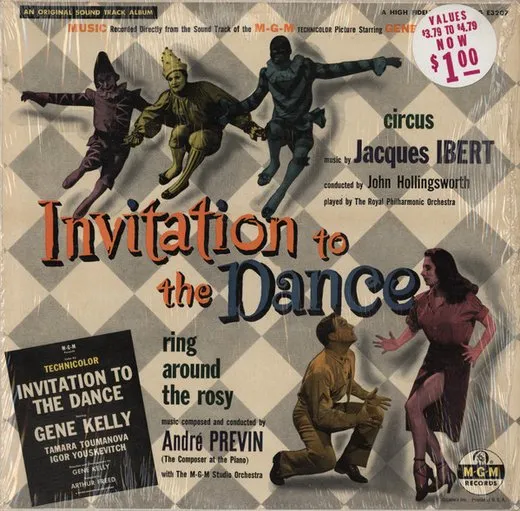
1956
Invitation to the Dance
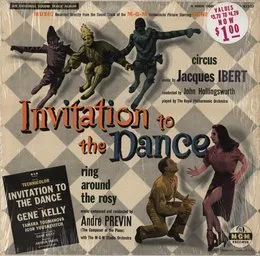
-
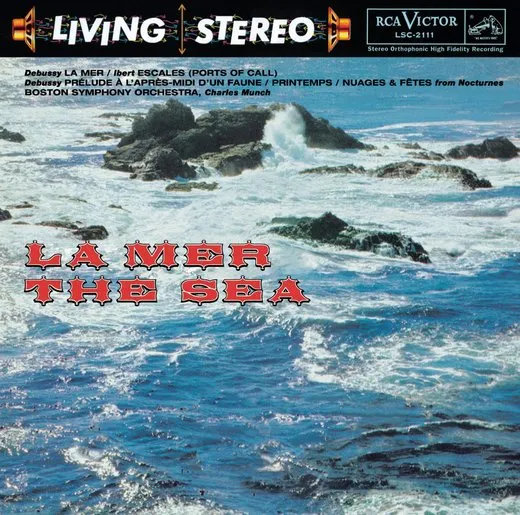
1957
The Sea
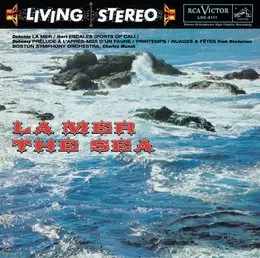
-
1961
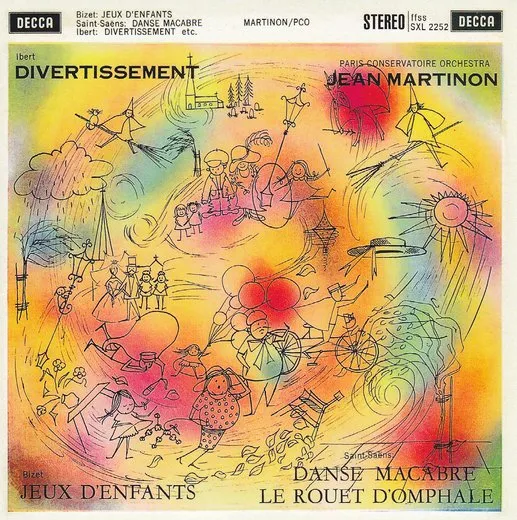
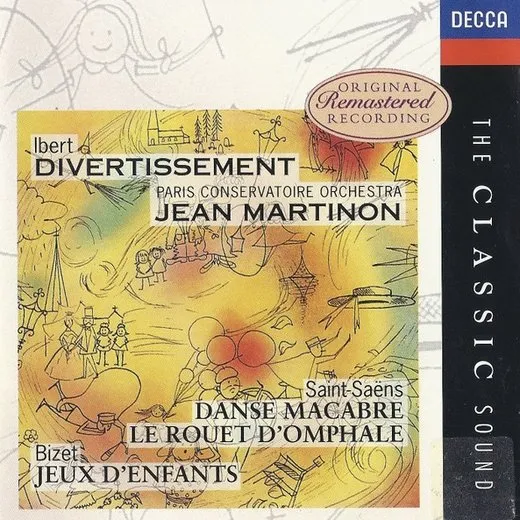
Ibert: Divertissement / Bizet: Jeux d’enfants / Saint‐Säens: Danse macabre / Le rouet d’omphale
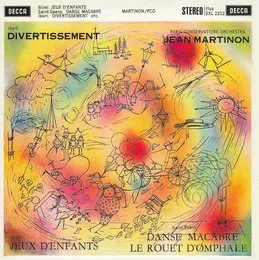
-
1988
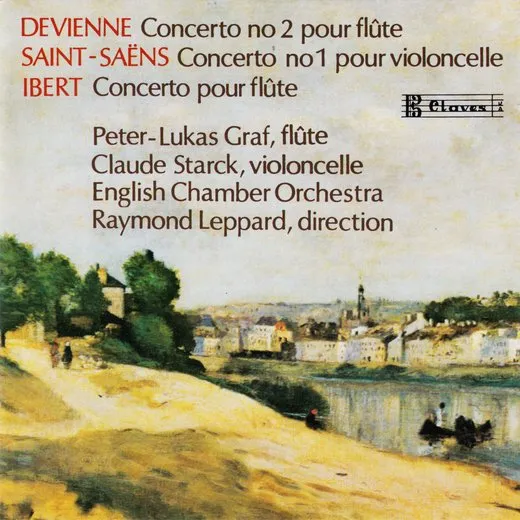
Concerto no 2 pour flûte / Concerto no 1 pour violoncelle / Concerto pour flûte
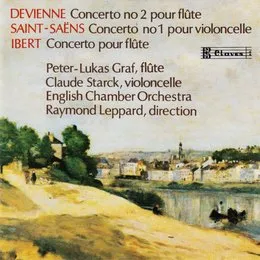
-
1989
Symphony in C / Pavane / Divertissement / Le Tombeau de Couperin
-
1990
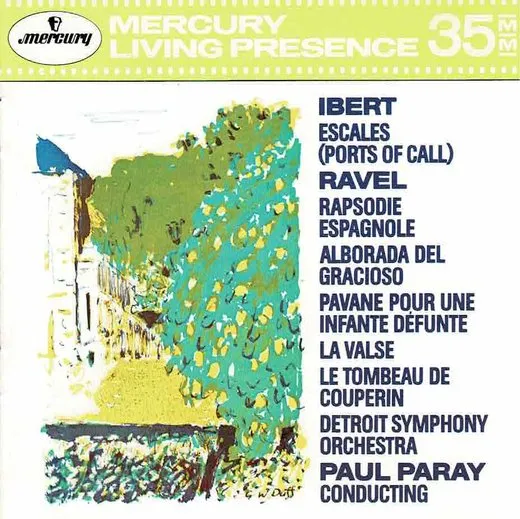
Ibert: Escales / Ravel: Rapsodie espagnole / Alborada del gracioso / Pavane pour une infante défunte / La Valse / Le Tombeau de Couperin
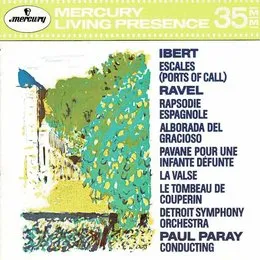
-
1990
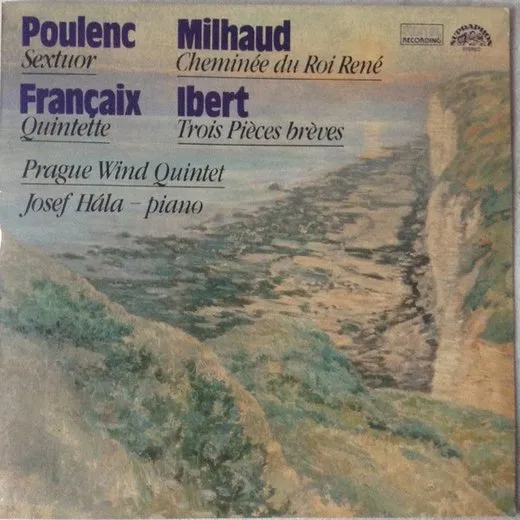
Poulenc: Sextuor / Milhaud: Cheminée du Roi René / Ibert: Trois Pièces brèves / Françaix: Quintette
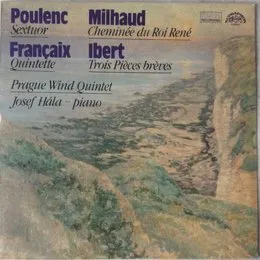
-
1991
Ibert: Divertissement / Concertino da camera / Poulenc: Sinfonietta
-
1991
Strauss: Oboe Concerto / Francaix / Ibert / Satie

-
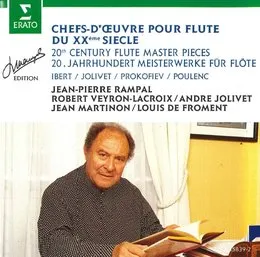
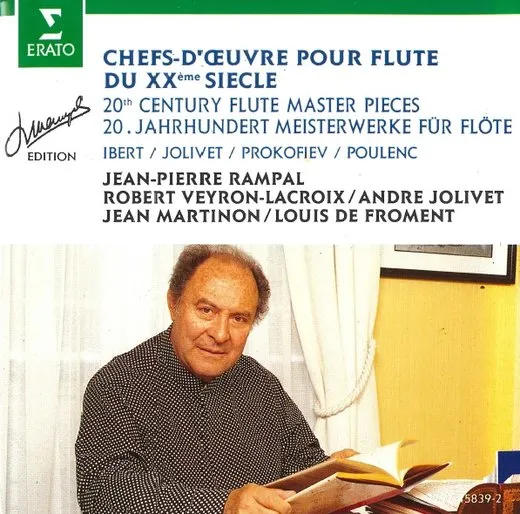
1992
20th Century Flute Master Pieces
-
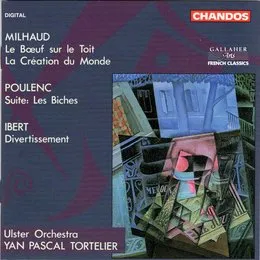
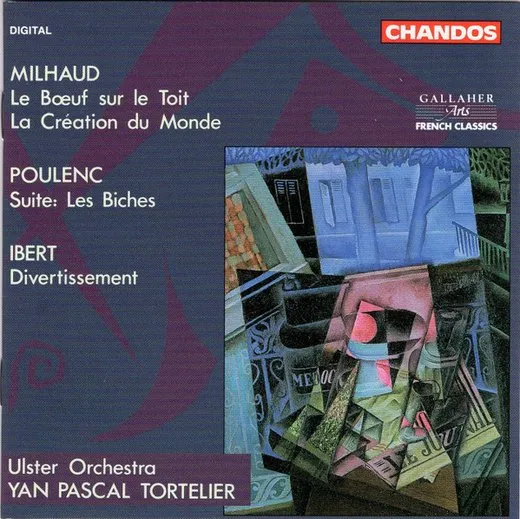
1992
Milhaud: Le Bœuf sur le toit / La Création du monde / Poulenc: Suite: Les Biches / Ibert: Divertissement
-
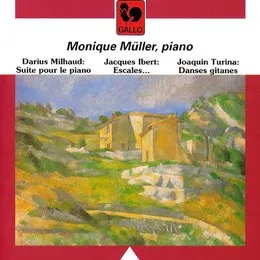
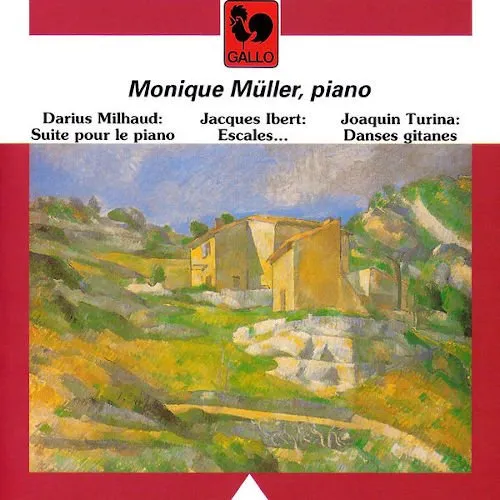
1992
Milhaud: Suite pour le piano / Ibert: Escales... / Turina: Danses gitanes
-
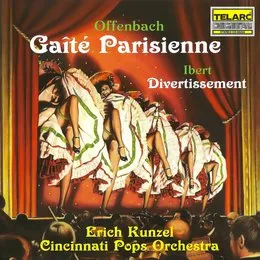
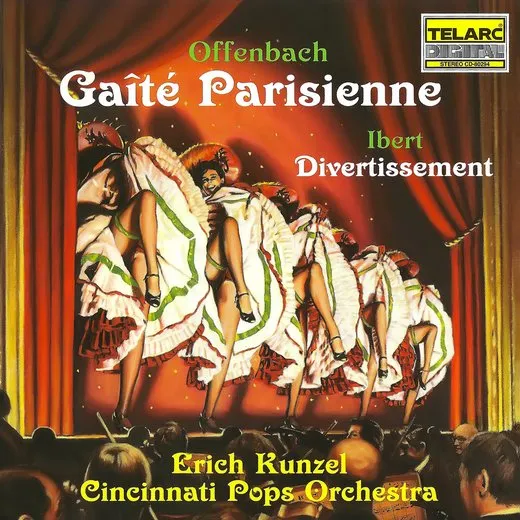
1992
Offenbach: Gaîté parisienne / Ibert: Divertissement

-
1992
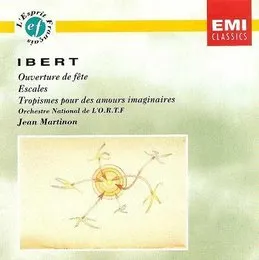
Ouverture de fête / Escales / Tropismes pour des amours imaginaires
-
1993
Flute and Harp: Greensleeves...
-
1993
Vive Ibert! Orchestral Works
-
1994
Chausson: Symphony in B-flat / Ibert: Escales / Divertissement
-
1994
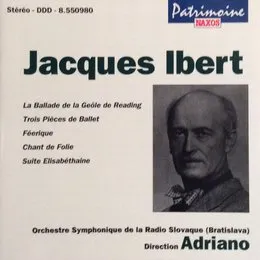
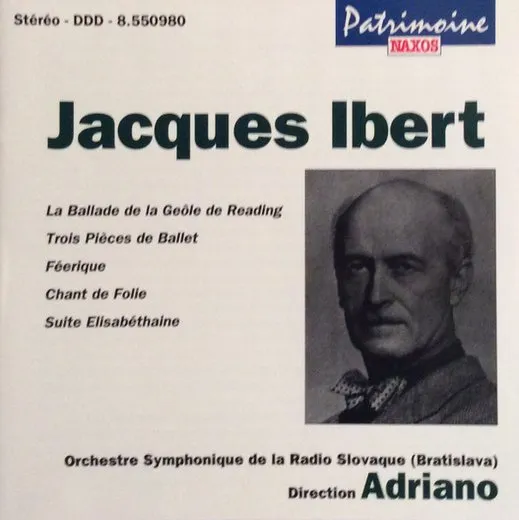
La Ballade de la Geôle de Reading / Trois Pièces de Ballet / Féérique / Chant De Folie / Suite Elisabéthaine
-
1994
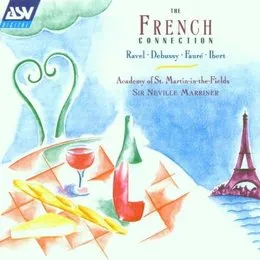
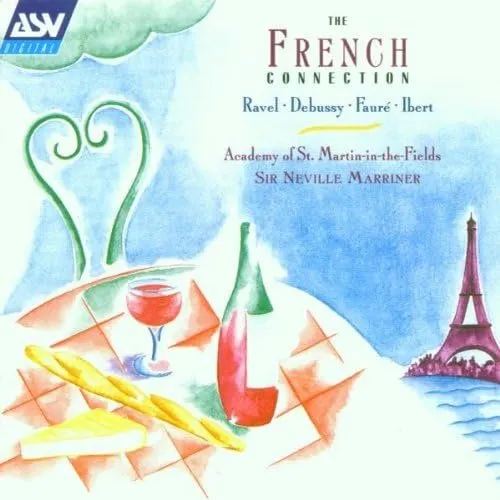
The French Connection
-
1995
Aureole
-
1995
Ibert: Divertissement / Saint-Saëns: Danse macabre / Le Rouet d'Omphale / Bizet: Jeux d'enfants
-
1995
Great European Organs, No. 48: Gerard Brooks Plays the Organ of St. Ouen, Rouen in France
-
1996
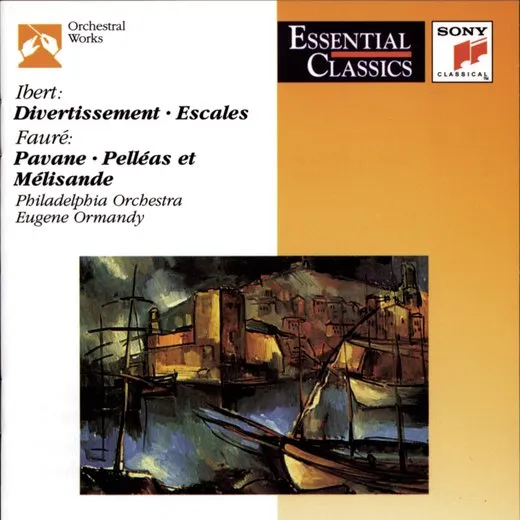
Ibert: Divertissement / Escales / Fauré: Pavane / Pelléas et Mélisande
-
1996
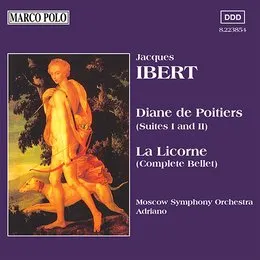
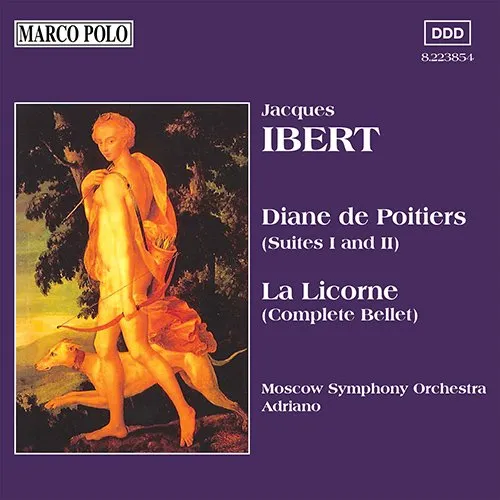
Diane de Poitiers / La Licorne
-
1997
Complete Chamber Music Vol. 2


Gezeigt wird eine Auswahl von 25 Veröffentlichungen. Vollständige Diskografie bei MusicBrainz
Beschreibung
Jacques François Antoine Marie Ibert (15 August 1890 – 5 February 1962) was a French composer of classical music. Having studied music from an early age, he studied under Paul Vidal at the Paris Conservatoire. In 1919, despite studies interrupted by his service in World War I, he won the Prix de Rome at his first attempt, his cantata Le poète et la fée.
Ibert pursued a successful composing career, writing (sometimes in collaboration with other composers) seven operas, five ballets, incidental music for plays and films, works for piano solo, choral works, and chamber music. He is probably best remembered for his orchestral works including Divertissement (1930) and Escales (1922).
In tandem with his creative work, Ibert was the director of the Académie de France at the Villa Medici in Rome from 1937. During World War II he was proscribed by the pro-Nazi government in Paris, and for a time he went into exile in Switzerland. Restored to his former eminence in French musical life after the war, his final musical appointment was in charge of the Paris Opera and the Opéra-Comique. From 1955 to 1957 he directed Paris's Opéra-Comique. He died in Paris.
Ibert's music is considered to be typically quite "light" in character, often witty, colourfully orchestrated with attractive melodies. Although he was not a member of Les Six, his music shares some characteristics with theirs. He did not however attach himself to any of the prevalent genres of music of his time, and has been described as an eclectic. This is seen even in his best-known pieces: Escales (1922) is a ripely romantic work for large orchestra, while Divertissement (1930) for small orchestra, is lighthearted, even frivolous. The latter was based on his earlier incidental music for Eugène Labiche's play Un Chapeau de paille d'Italie (The Italian Straw Hat). In the course of the work he comically quotes many pieces, including Mendelssohn's Wedding March.
Other prominent pieces include the symphonic poem La Ballade de la geôle de Reading (based on the poem by Oscar Wilde), his concerto for flute and Concertino da Camera for saxophone and Histoires for solo piano. He composed a number of operas, such as L'Aiglon (The Eaglet), and the operetta Les Petites Cardinal, some together with Arthur Honegger. Among his film scores is the one for Orson Welles' version of Macbeth (1948). In 1956 he wrote the work Bacchanale to celebrate the tenth anniversary of the BBC Third Programme. Its premiere was given by Eugene Goossens. In addition, he wrote some chamber music of merit.
Kommentare
0Bitte anmelden, um zu kommentieren.
Noch keine Kommentare – sei die/der Erste, die/der etwas zu Jacques Ibert schreibt!