Diskografie
-
1986
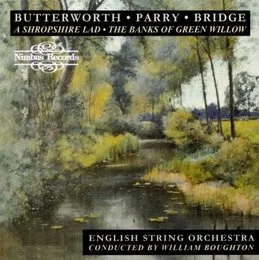
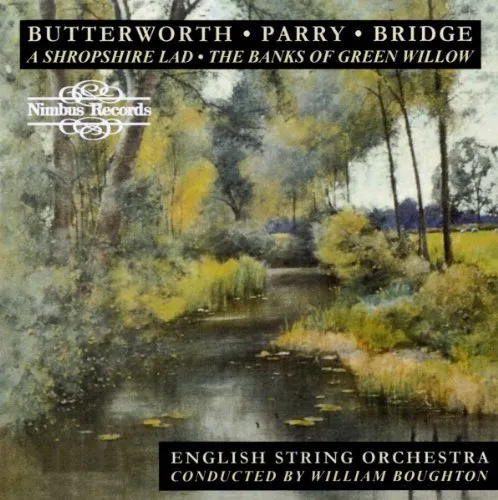
A Shropshire Lad / The Banks of Green Willow
-
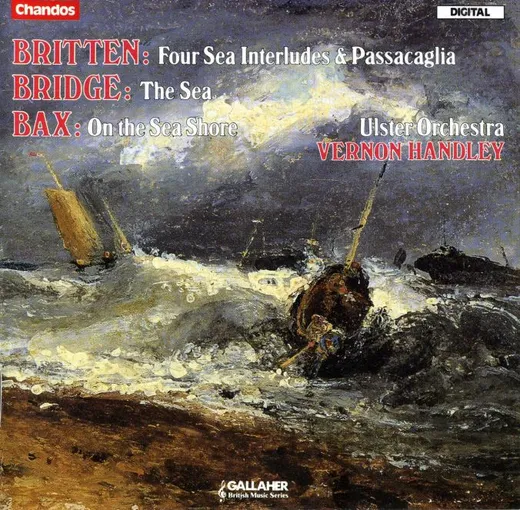
1986
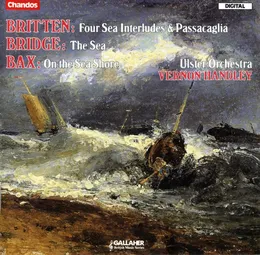
Britten: Four Sea Interludes / Passacaglia / Bridge: The Sea / Bax: On the Sea Shore
-
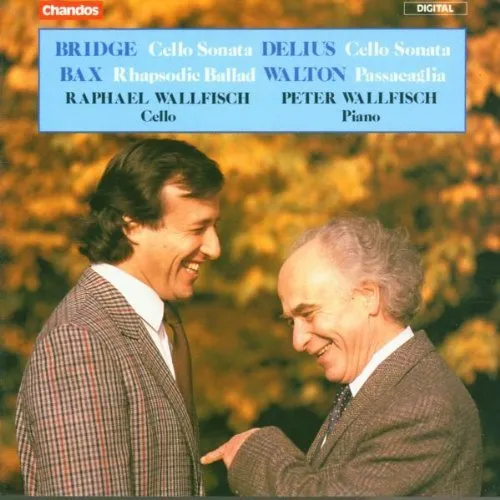
1987
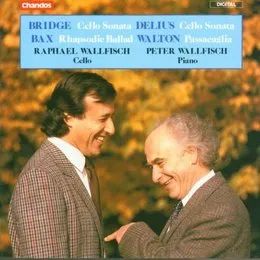
Bridge: Cello Sonata / Delius: Cello Sonata / Bax: Rhapsodic Ballad / Walton: Passacaglia
-
1987
Bridge: Piano Trio no. 2 / Bax: Piano Trio in B-flat
-
1988
Phantasie Trio / Phantasy Quartet / Piano Trio no. 2
-
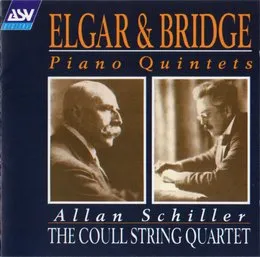
1989
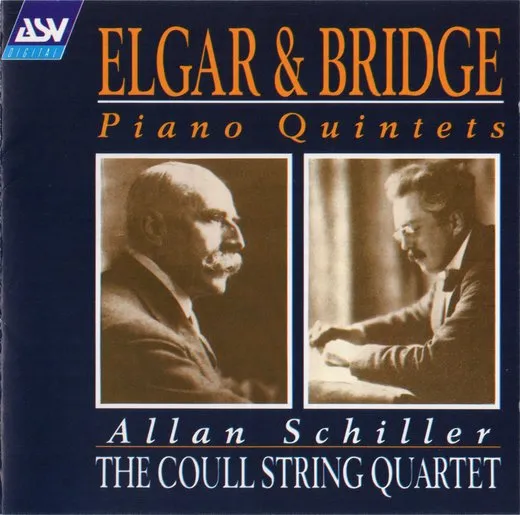
Piano Quintets
-
1989
The Sea / Enter Spring / Summer / Cherry Ripe / Lament
-
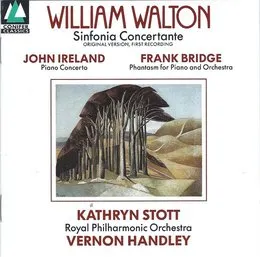
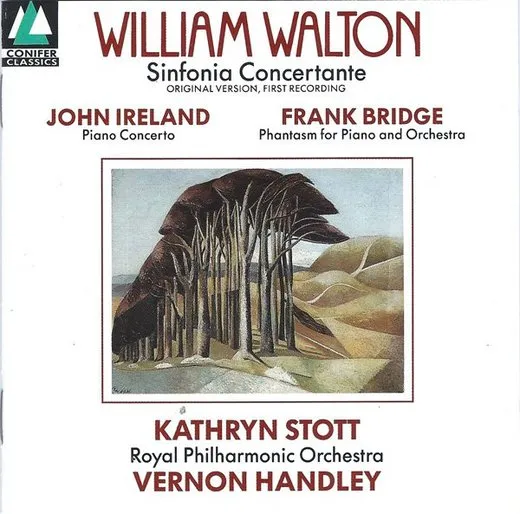
1989
William Walton: Sinfonia Concertante / John Ireland: Piano Concerto / Frank Bridge: Phantasm for Piano and Orchestra
-
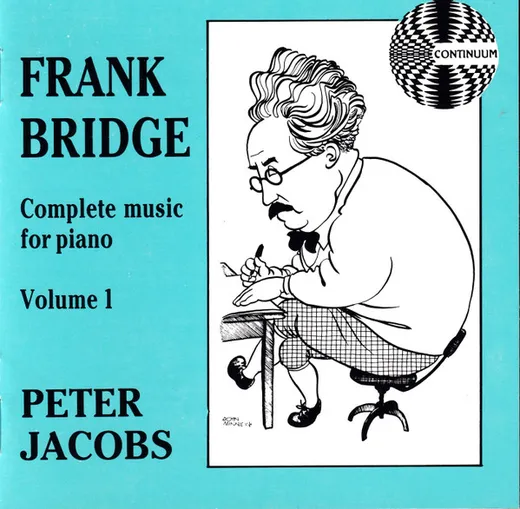
1990
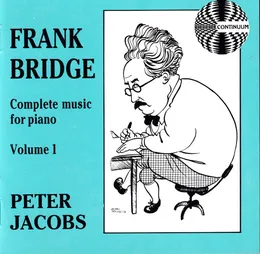
Complete Music For Piano Volume 1
-
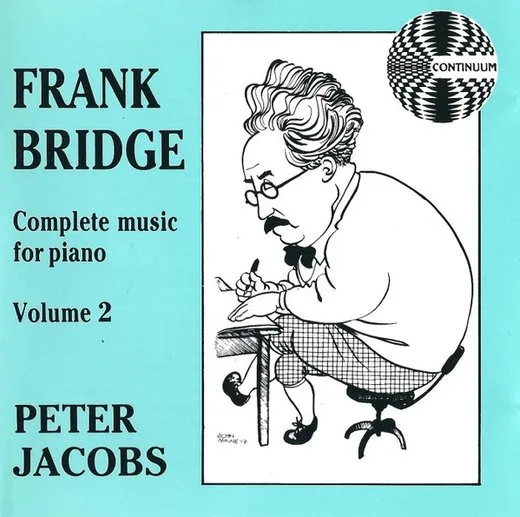
1990
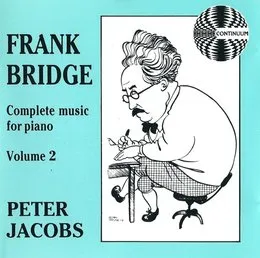
Complete Music For Piano Volume 2
-
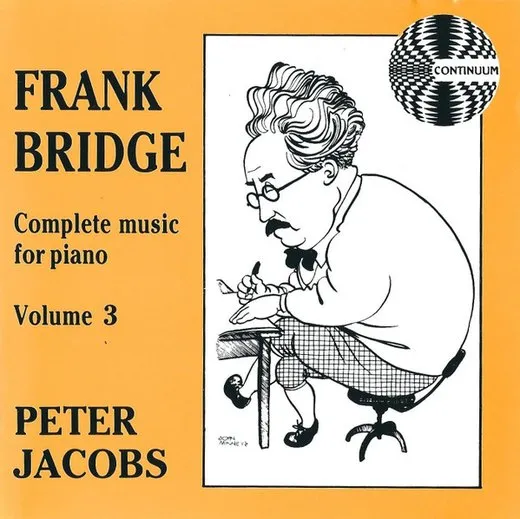
1990
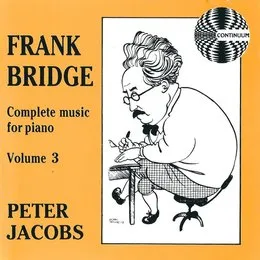
Complete Music For Piano Volume 3
-
1993
Elgar: String Quartet / Bridge: Three Idylls / Walton: String Quartet

-
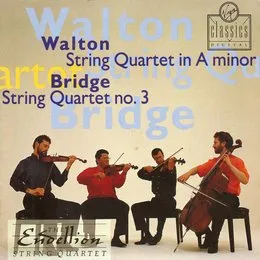
1993
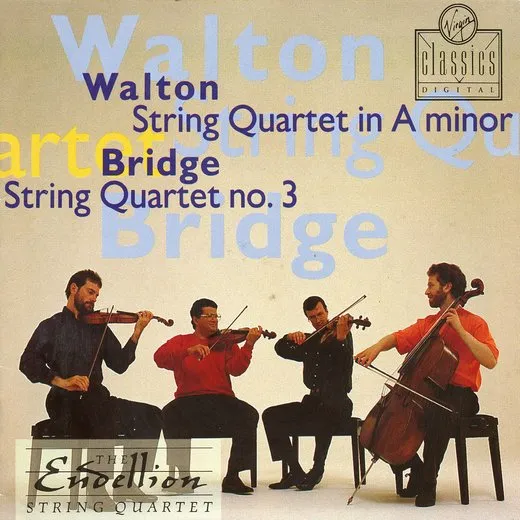
Walton: String Quartet / Bridge: String Quartet no. 3
-
1994
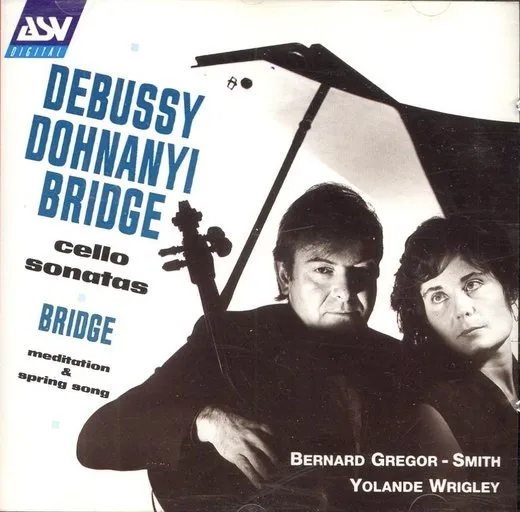
Cello Sonatas

-
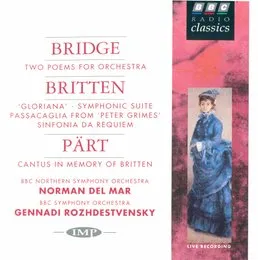
1995
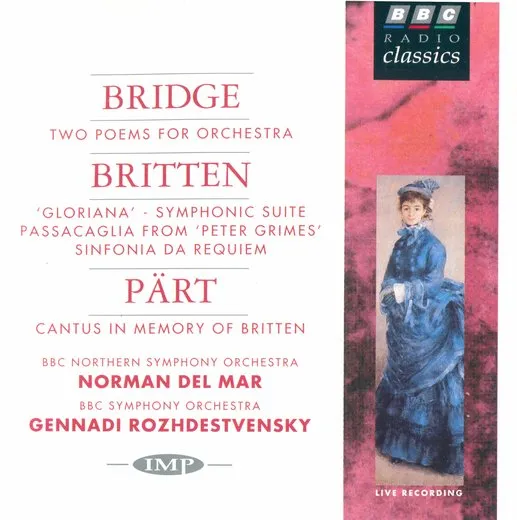
Bridge: Two Poems for Orchestra / Britten: 'Gloriana' - Symphonic Suite / Passacaglia From 'Peter Grimes' / Sinfonia da Requiem / Pärt: Cantus in Memory of Britten
-
1996
Britten: Les Illuminations / Our Hunting Fathers / Quatre Chansons Françaises / Bridge: Berceuse

-
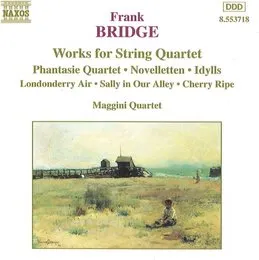
1996
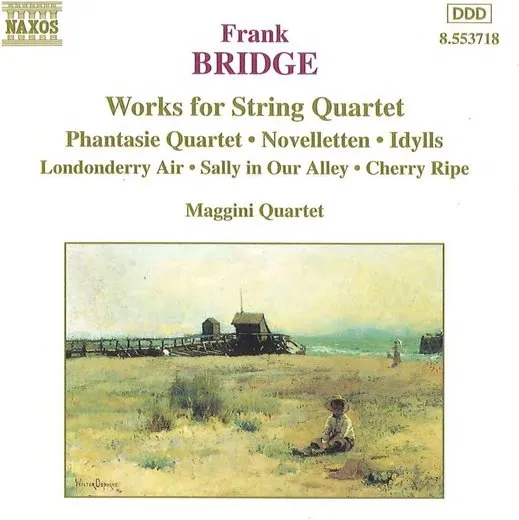
Works for String Quartet
-
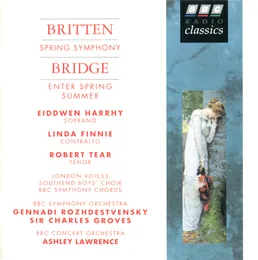
1996
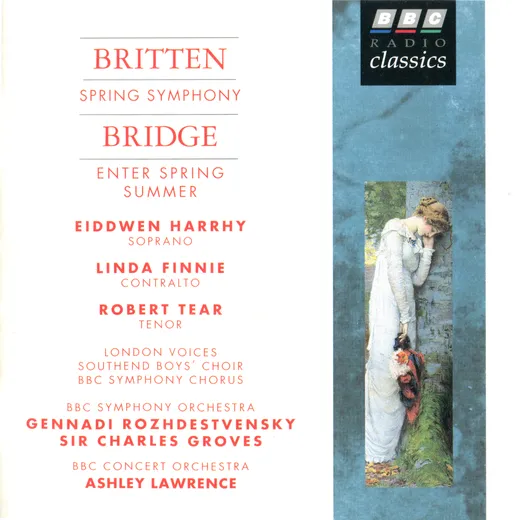
Britten: Spring Symphony / Bridge: Enter Spring / Summer



Live, Kompilationen & Demos 1
Gezeigt wird eine Auswahl von 25 Veröffentlichungen. Vollständige Diskografie bei MusicBrainz
Beschreibung
Frank Bridge (February 26, 1879 – January 10, 1941) was an English composer.
Bridge was born in Brighton and studied at the Royal College of Music in London from 1899 to 1903 under Charles Villiers Stanford and others. He played the viola in a number of string quartets, most notably the English String Quartet, and conducted, sometimes as Henry Wood's deputy, before devoting himself to composition, receiving the patronage of Elizabeth Sprague Coolidge. He privately tutored a number of pupils, most famously Benjamin Britten, who later championed his teacher's music and paid homage to him in the Variations on a Theme of Frank Bridge (1937), based on a theme from the second of Bridge's Three Idylls for String Quartet (1906). Bridge died in Eastbourne.
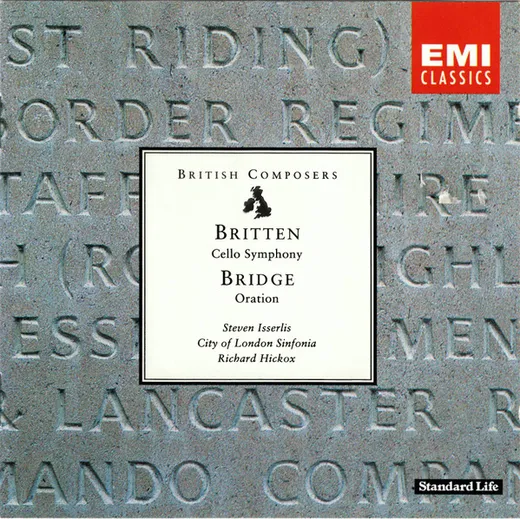
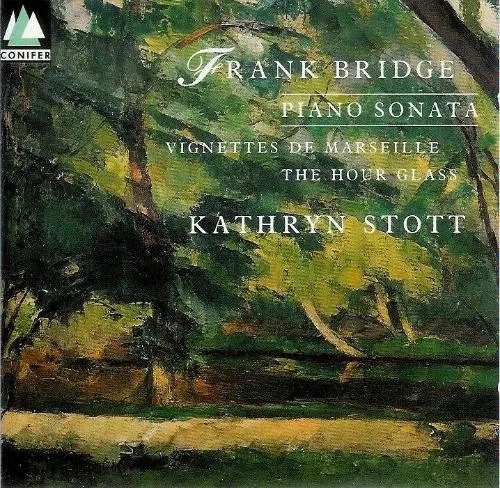
Among Bridge's works are the orchestral The Sea (1911), Oration (1930) for cello and orchestra and the opera The Christmas Rose (premiered 1932), but he is perhaps most highly regarded today for his chamber music. His early works are in a late-Romantic idiom, but later pieces such as the third (1926) and fourth (1937) string quartets are harmonically advanced and very distinctive, showing the influence of the Second Viennese School. His works also show harmonic influences by Maurice Ravel and especially Alexander Scriabin. One of his most characteristic harmonies is the Bridge chord, for instance C minor and D major sounding at the same time, very poignant in There Is a Willow Grows Aslant a Brook and the piano sonata (1922-5). He wrote this work in memory of Ernest Farrar.
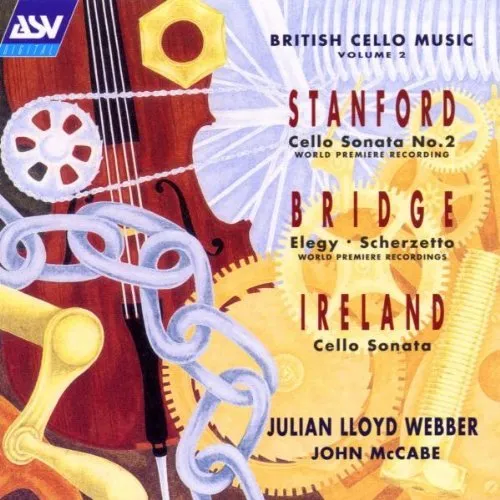
One of his most famous works is a piece for violin called Moto perpetuo (written 1900, revised 1911). Other frequently performed works are the Adagio in E for organ, Rosemary for piano and the masterful cello sonata in D minor (1913-7). The Scherzetto for Cello was rediscovered in the library of London's Royal College of Music by the cellist Julian Lloyd Webber.
Kommentare
0Bitte anmelden, um zu kommentieren.
Noch keine Kommentare – sei die/der Erste, die/der etwas zu Frank Bridge schreibt!