Diskografie
Live, Kompilationen & Demos 24

Symphonic Scherzos
1986 · Sonstiges
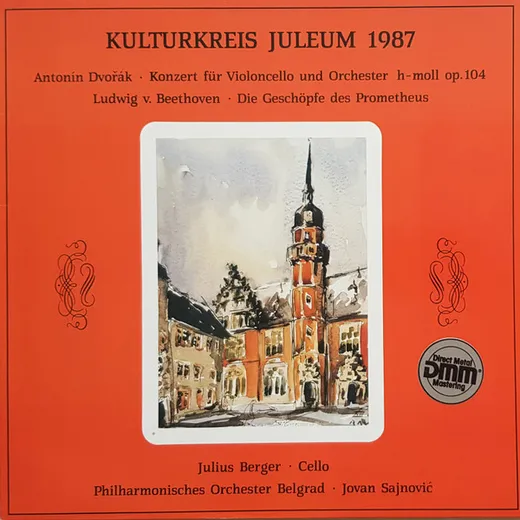
Kulturkreis Juleum 1987, Konzert Für Violoncello Und Orchester H-moll Op 104 , Die Geschöpfe Des Promotheus
1987 · Sonstiges
Symphony No. 7
1987 · Sonstiges
Music For The Millions Vol. 8
1990 · Sonstiges
Music For The Millions Vol. 25
1991 · Sonstiges
Symphonies 7 & 8
1991 · Kompilation
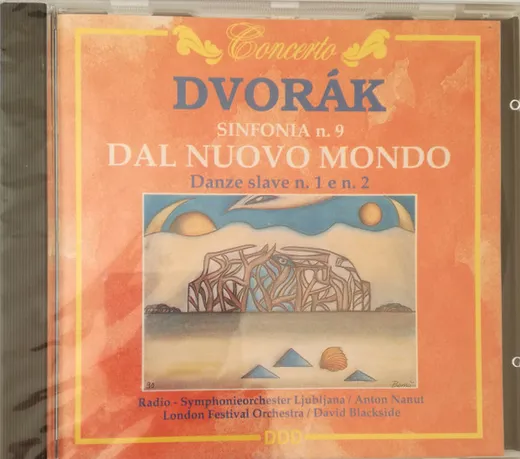
Dal Nuovo Mondo
1992 · Sonstiges
Dvořák Excellence
1996 · Kompilation
Tchaikovsky: Ouverture Romeo e Giulietta / Dvorak: Sinfonia n° 9
1997 · Sonstiges
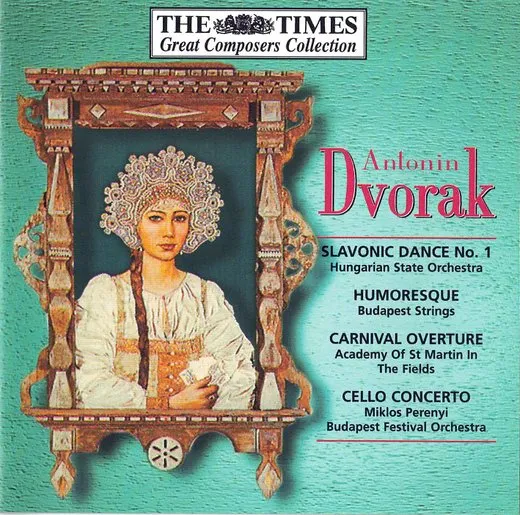
Antonín Dvorák
1998 · Sonstiges

L'Âme slave
1998 · Sonstiges
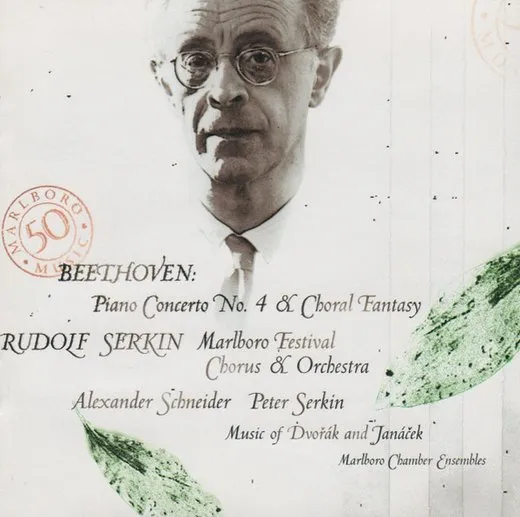
Marlboro Music Festival: 50th Anniversary
2000 · Sonstiges
A Decade With David
2008 · Live
Works For Violin & Piano
2008 · Sonstiges
Coll. radio classique Vol. 7 Dvorak
2010 · Hoerbuch
Symphony No. 9 “New World” Carnival Overture Op. 92
2010 · Sonstiges
Dvořák in America
2010 · Kompilation
The New World Symphony on the Piano
2014 · Sonstiges
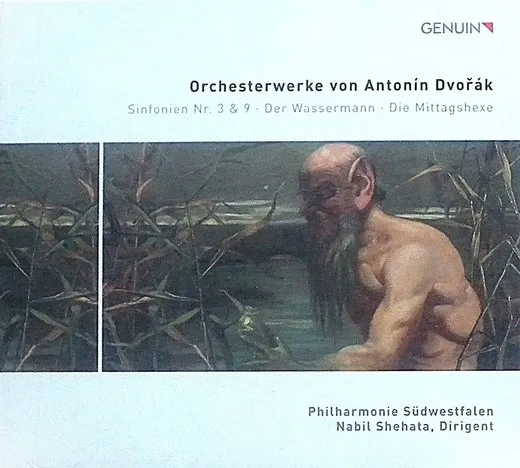
Orchesterwerke
2024 · Sonstiges
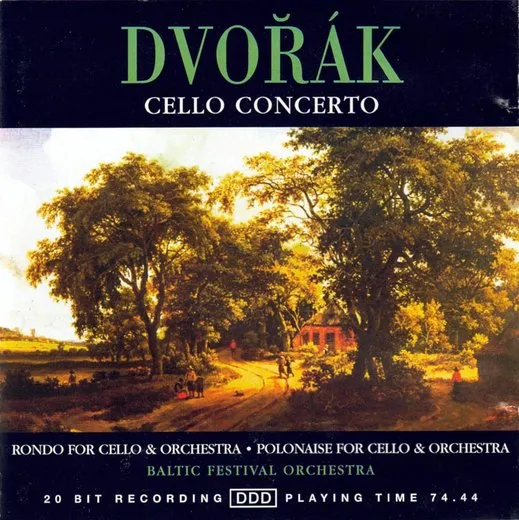
Cello Concerto
o. J. · Live
Classical Spectacular
o. J. · Sonstiges
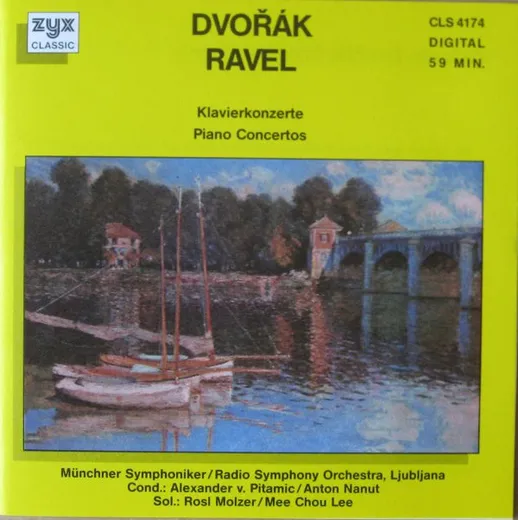
Klavierkonzerte / Piano Concertos
o. J. · Kompilation
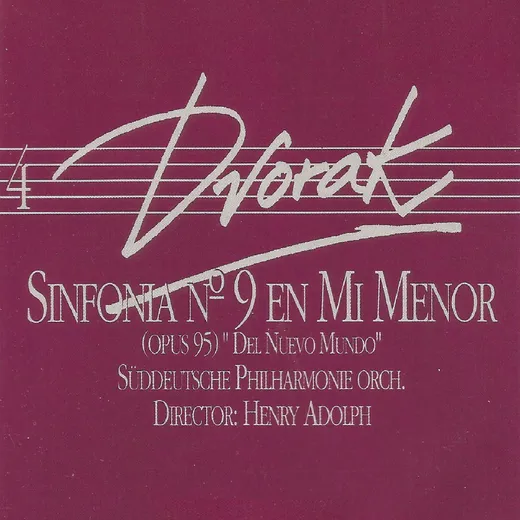
Sinfonia no. 9
o. J. · Sonstiges
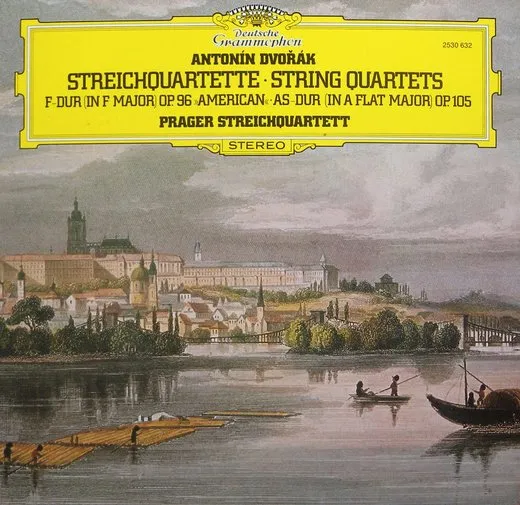
Streichquartette Nr. 12 F-dur »American« und Nr. 14 As-dur
o. J. · Sonstiges
Gezeigt wird eine Auswahl von 25 Veröffentlichungen. Vollständige Diskografie bei MusicBrainz
Beschreibung
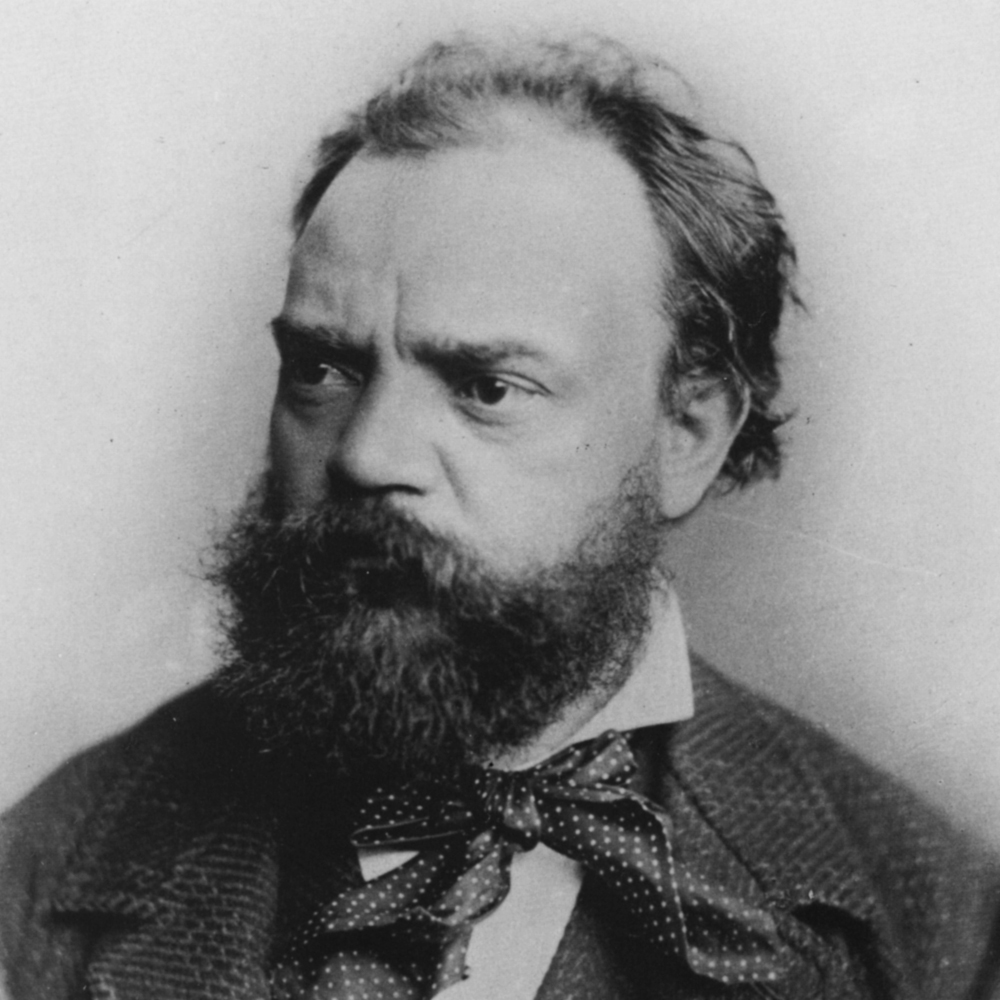
Antonín Leopold Dvořák (8 September 1841 – 1 May 1904) was a Czech composer known for incorporating rhythms and elements of the folk music of Moravia and Bohemia into his work, following the nationalist example of his predecessor Bedřich Smetana. His style is regarded as a significant blend of national idiom with the symphonic tradition, effectively absorbing folk influences. Dvořák has been described as one of the most versatile composers of his time.
Dvořák showed musical talent from an early age, particularly as a violin student. His works were first publicly performed in Prague in 1872, with notable success in 1873. Seeking recognition beyond Prague, he submitted compositions to competitions in Germany and Austria, winning his first prize in 1874 with Johannes Brahms serving on the jury. After a third win in 1877, Brahms recommended Dvořák to his publisher Simrock, who commissioned the Slavonic Dances, Op. 46. The strong sales and critical acclaim of this work led to Dvořák's international success. His Stabat Mater was performed in London in 1883, followed by many performances in the United Kingdom, the United States, and Russia. The Seventh Symphony was composed for London in 1885.
In 1892, Dvořák became director of the National Conservatory of Music of America in New York City. During his time in the United States, he composed his two most successful orchestral works: the Symphony From the New World, which greatly enhanced his international reputation, and his Cello Concerto, considered one of the finest in the repertoire. While on holiday in Spillville, Iowa in 1893, he wrote his twelfth String Quartet in F major, Op. 96, known as the American. He returned to Bohemia in 1895 due to pay cuts and homesickness.
Most of Dvořák’s ten operas, except his first, have librettos in Czech and aim to express the Czech national spirit. His most successful opera is Rusalka, premiered in 1901. Among his smaller works, the seventh Humoresque and the song "Songs My Mother Taught Me" are frequently performed and recorded. The Dvořák Prague International Music Festival is held annually to honour his life and music.
Kommentare
0Bitte anmelden, um zu kommentieren.
Noch keine Kommentare – sei die/der Erste, die/der etwas zu Antonín Dvořák schreibt!