Diskografie
-
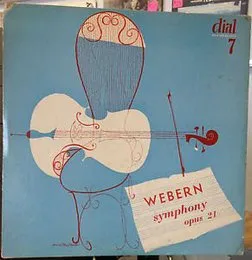
1950
Symphony, op. 21
-
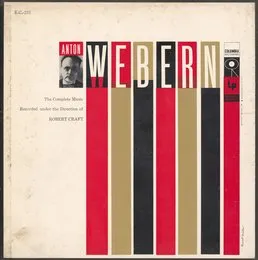
1957
The Complete Music Recorded Under the Direction of Robert Craft
-
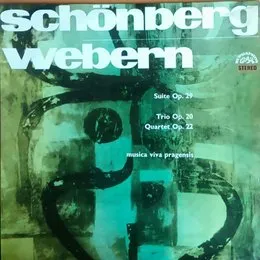
1967
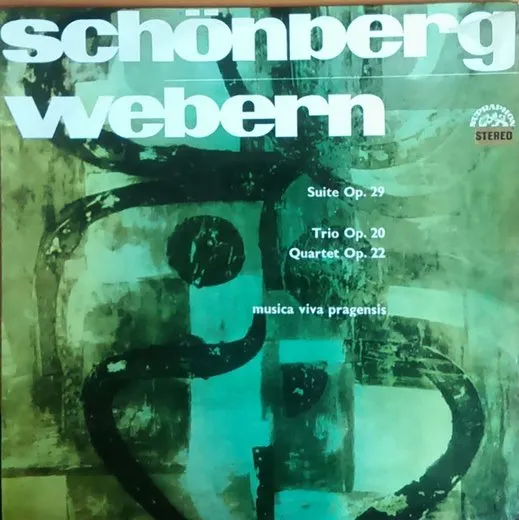
Schönberg: Suite op. 29 / Webern: Trio op. 20 / Webern: Quartet op. 22
-
1970
Complete Music for String Quartet
-
1971
Schoenberg: Pierrot lunaire / Webern: Zwei Lieder, op. 8 / Fünf Canon, op. 16 / Boulez: Improvisation sur Mallarmé

-
1971
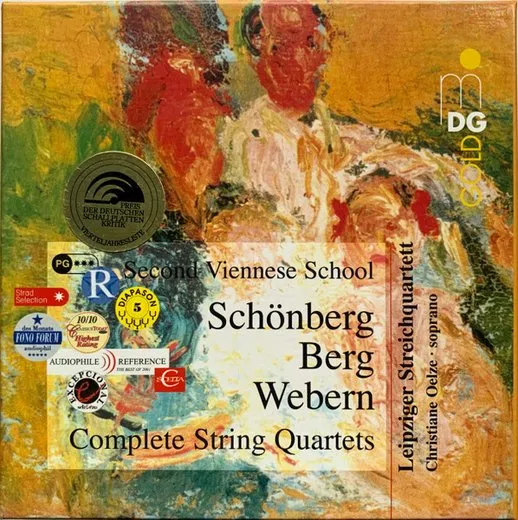
Neue Wiener Schule: Die Streichquartette




-
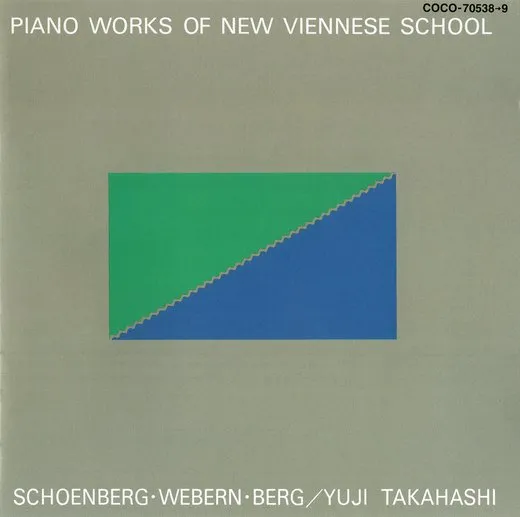
1979
新ウィーン楽派ピアノ作品集成
-
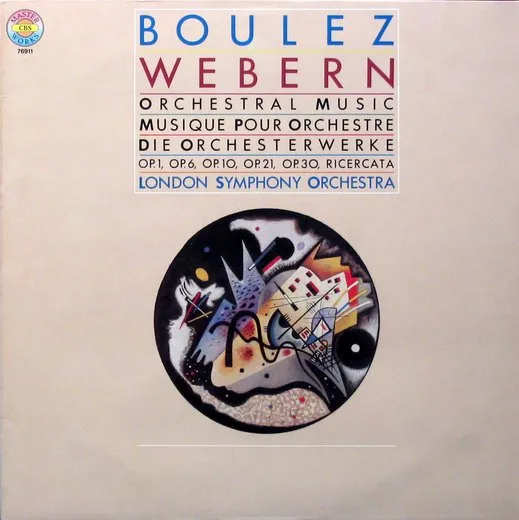
1980
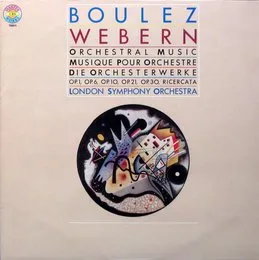
Orchestral Music: op. 1 / op. 6 / op. 10 / op. 21 / op. 30 / Ricercata
-
1983
Chamber & Piano Works
-
1985
Berg: String Quartet / Webern: Five Movements / Zemlinsky: String Quartet no. 3
-
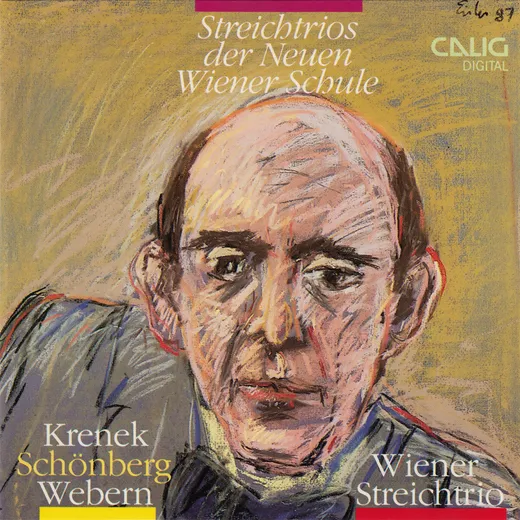
1986
Neue Wiener Schule
-
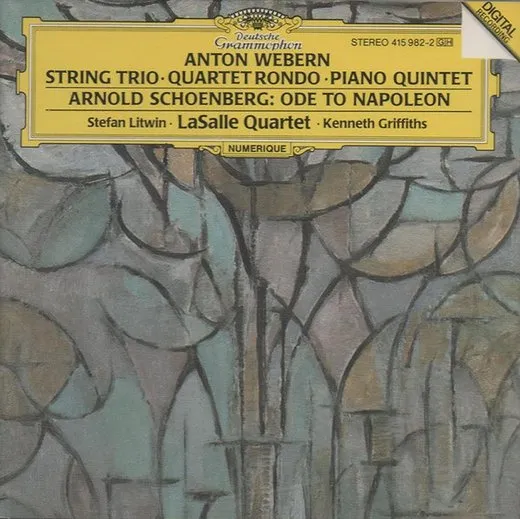
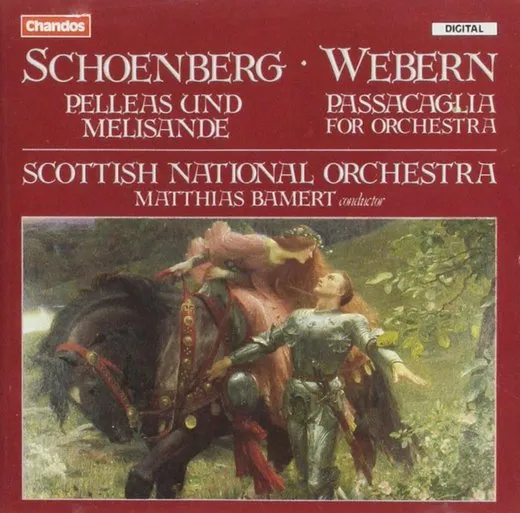
1986
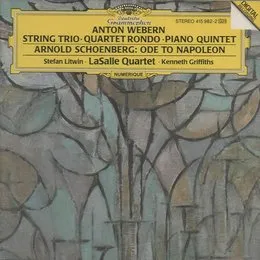
Webern: String Trio / Quartet Rondo / Piano Quintet / Schoenberg: Ode to Napoleon

-
1989
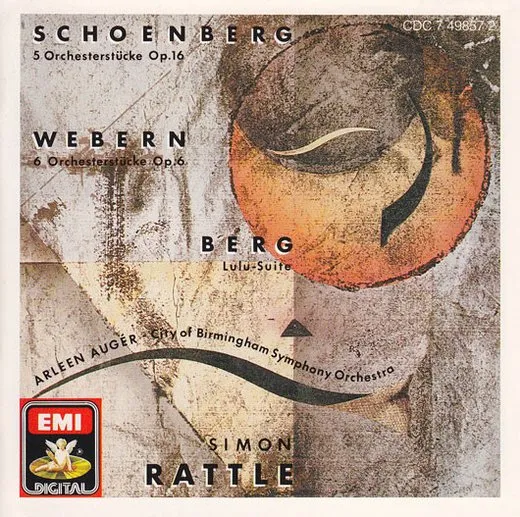
Schoenberg: 5 Orchesterstücke, op. 16 / Webern: 6 Orchesterstücke, op. 6 / Berg: Lulu-Suite

-
1990
La nuova musica, Volume 8: Stravinsky: Elegy for J.F.K. / Abraham and Isaac / Webern: Das Augenlicht / Kantaten I, II / Dallapiccola: Cinque canti / Boulez: Le Soleil des eaux
-
1990
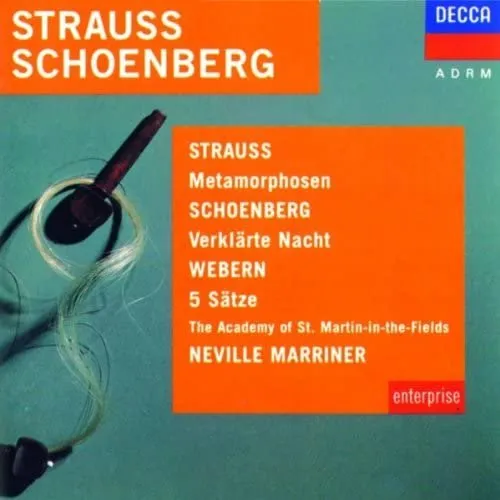
Metamorphosen / Verklärte Nacht / 5 Sätze
-
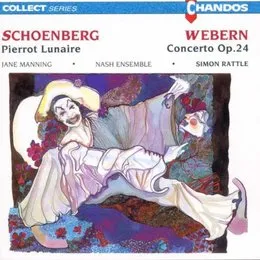
1991
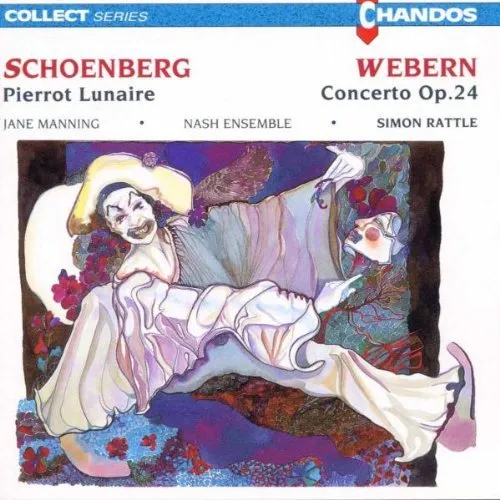
Schoenberg: Pierrot lunaire / Webern: Concerto, op. 24
-
1991
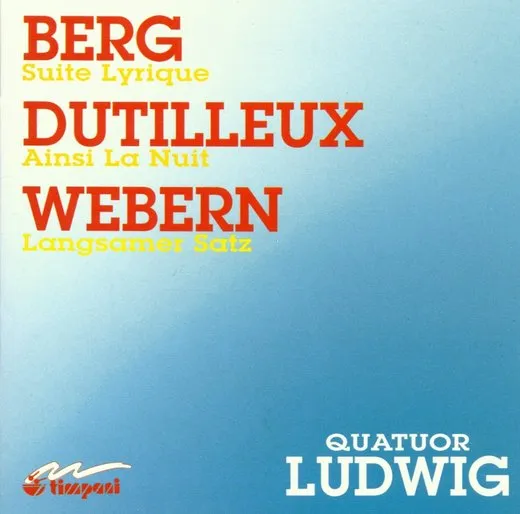
Berg: Suite lyrique / Dutilleux: Ainsi la nuit / Webern: Langsamer Satz
Live, Kompilationen & Demos 2
Gezeigt wird eine Auswahl von 25 Veröffentlichungen. Vollständige Diskografie bei MusicBrainz
Beschreibung
Anton Webern (3 December 1883 – 15 September 1945) was an Austrian composer and conductor. He was a member of the Second Viennese School. As a student and significant follower of Arnold Schoenberg, he became one of the best-known exponents of the twelve-tone technique; in addition, his innovations regarding schematic organization of pitch, rhythm and dynamics were formative in the musical technique later known as total serialism.
Webern was not a prolific composer; just thirty-one of his compositions were published in his lifetime, and when Pierre Boulez oversaw a project to record all of his compositions, including those without opus numbers, the results fit on just six CDs. However, his influence on later composers, and particularly on the post-war avant garde, was immense. His mature works, using Arnold Schoenberg's twelve-tone technique, have a textural clarity and emotional coolness which greatly influenced composers such as Pierre Boulez, Luigi Nono, Karlheinz Stockhausen and Milton Babbitt.
Like almost every composer who had a career of any length, Webern's music changed over time. However, it is typified by very spartan textures, in which every note can be clearly heard; carefully chosen timbres, often resulting in very detailed instructions to the performers and use of extended instrumental techniques (flutter tonguing, col legno, and so on); wide-ranging melodic lines, often with leaps greater than an octave; and brevity: the Six Bagatelles for string quartet (1913), for instance, last about three minutes in total.
Webern's earliest works are in a late Romantic style. They were neither published nor performed in his lifetime, though they are sometimes performed today. They include the orchestral tone poem Im Sommerwind (1904) and the Langsamer Satz (1905) for string quartet.
Webern's tone rows are often arranged to take advantage of internal symmetries; for example, a twelve-tone row may be divisible into four groups of three pitches which are variations, such as inversions and retrogrades, of each other, thus creating invariance. This gives Webern's work considerable motivic unity, although this is often obscured by the fragmentation of the melodic lines. This fragmentation occurs through octave displacement (using intervals greater than an octave) and by moving the line rapidly from instrument to instrument (sometimes, and somewhat erroneously, called Klangfarbenmelodie).
Webern's last pieces seem to indicate another development in style. The two late Cantatas, for example, use larger ensembles than earlier pieces, last longer (No. 1 around nine minutes; No. 2 around sixteen), and are texturally somewhat denser.
The political upheaval brought to a halt the publication of his works. With almost no private pupils left, Webern had to resort to accepting such tasks as piano arrangements of works by lesser composers. Always of a retiring disposition, he fell into total obscurity with the outbreak of World War II. Webern's disillusionment with the Hitler regime was deepened by increasing bombing raids. In February 1945 his only son, Peter, was killed in a strafing attack on a train. When the Russian Army neared Vienna, the composer and his wife fled to Mittersill near Salzburg, where their three daughters and grandchildren had sought refuge. Webern was accidentally shot and killed there by a soldier in the U.S. occupation forces.
Kommentare
0Bitte anmelden, um zu kommentieren.
Noch keine Kommentare – sei die/der Erste, die/der etwas zu Anton Webern schreibt!