Diskografie
-
1951
Knoxville: “Summer of 1915” for Soprano and Orchestra, op. 24 / Four Excursions, op. 20

-
1952
The First Symphony / Dover Beach / Songs From Chamber Music
-
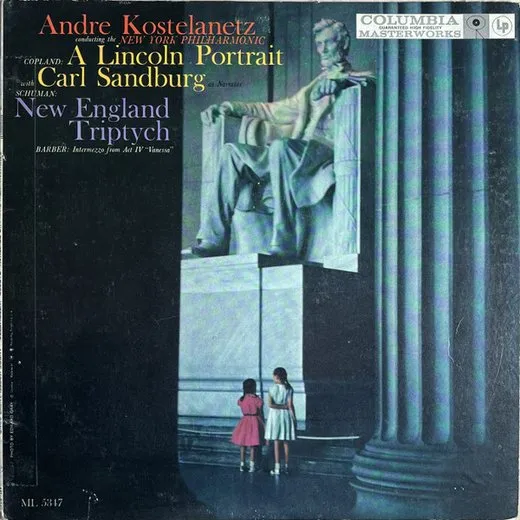
1959
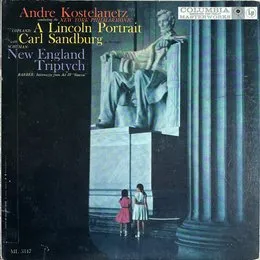
A Lincoln Portrait /New England Triptych
-
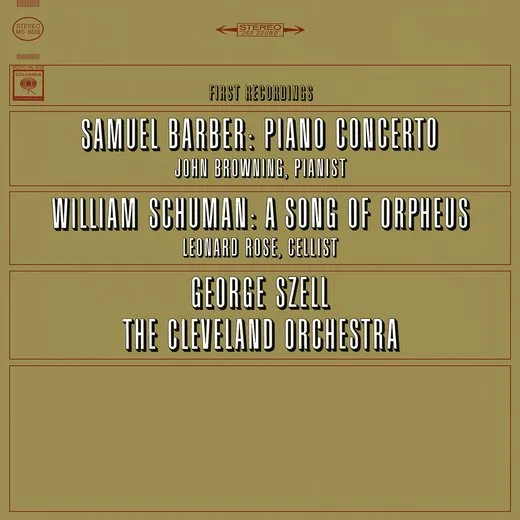
1964
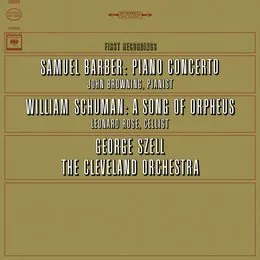
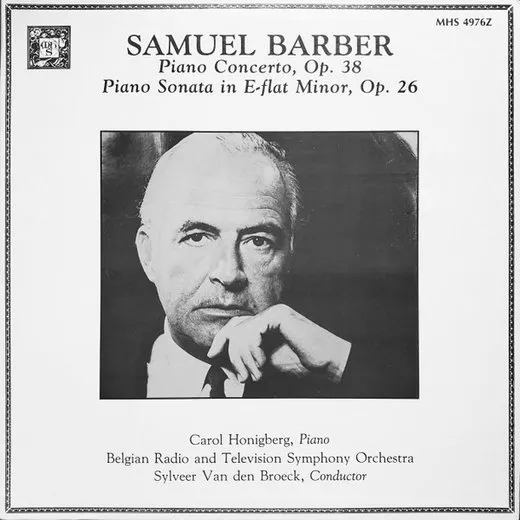
Barber: Concerto for Piano and Orchestra, op. 38 / Schuman: A Song of Orpheus: Fantasy for Cello and Orchestra
-
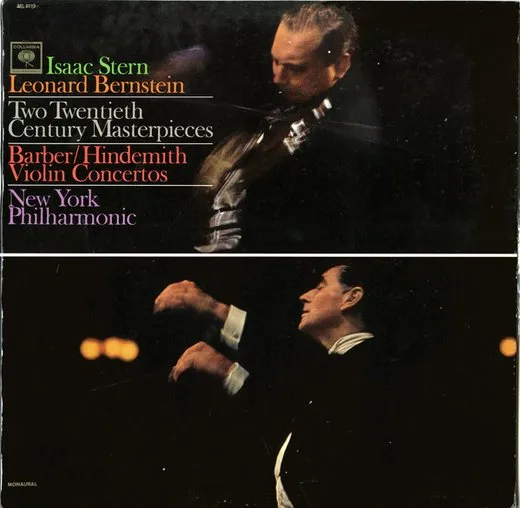
1965
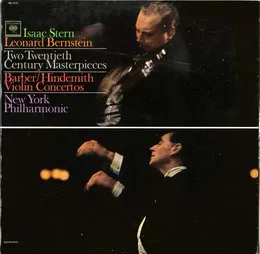
Two Twentieth Century Masterpieces: Violin Concertos
-
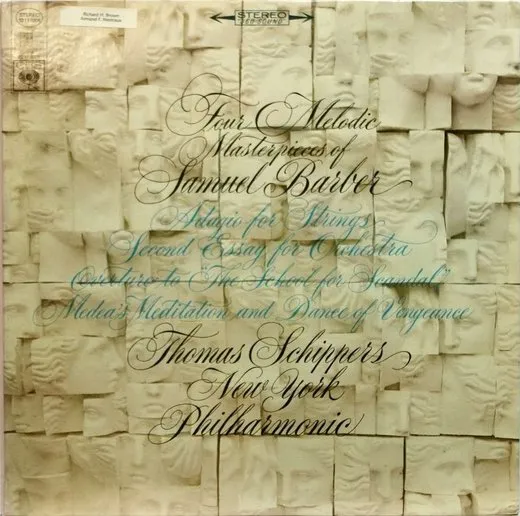
1966
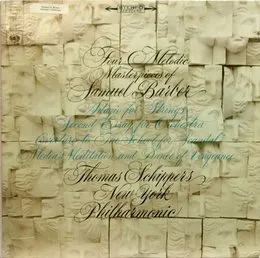
Four Melodic Masterpieces of Samuel Barber

-
1976
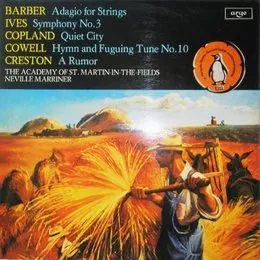
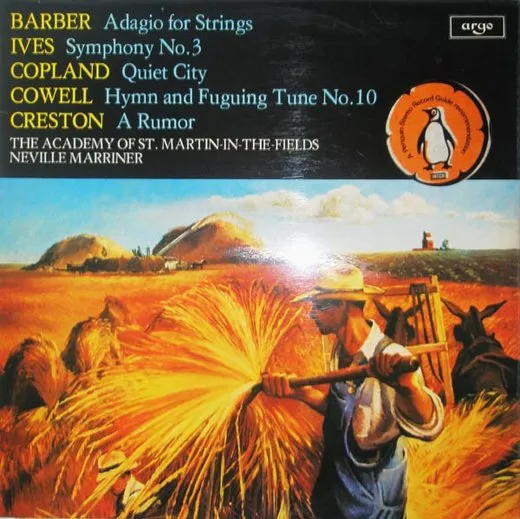
Barber: Adagio for Strings / Ives: Symphony no. 3 / Copland: Quiet City
-
1976
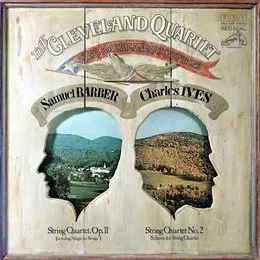
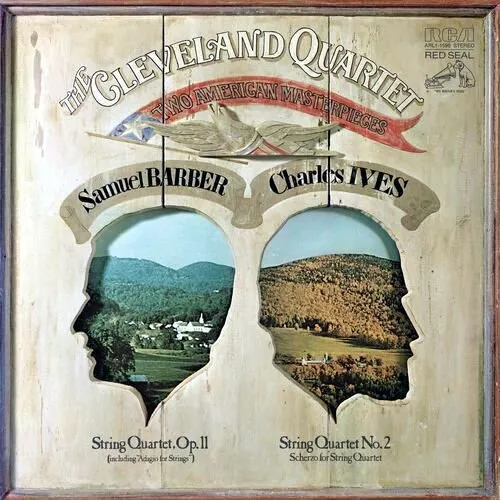
String Quartet, Op. 11 (Including "Adagio for Strings") / String Quartet No. 2 / Scherzo for String Quartet
-
1982
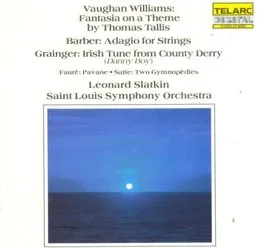
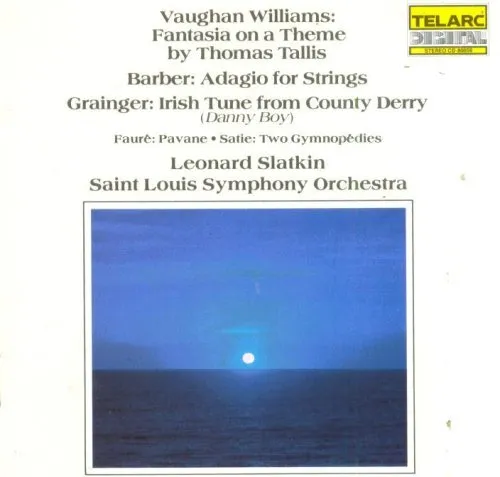
Vaughan Williams: Fantasia on a Theme by Thomas Tallis / Barber: Adagio for Strings / Grainger: Irish Tune from County Derry
-
1983
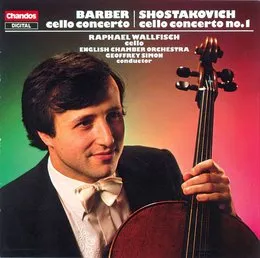
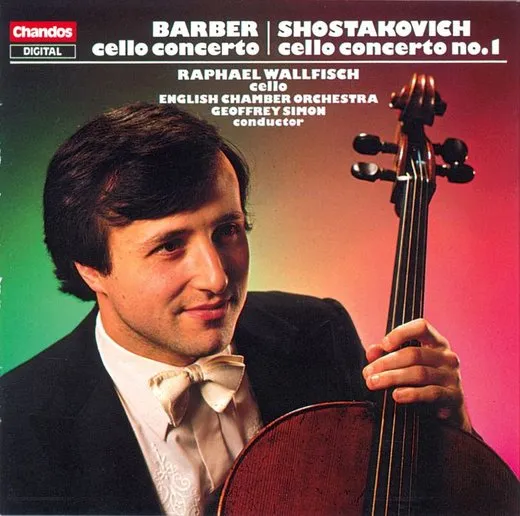
Barber: Cello Concerto / Shostakovich: Cello Concerto no. 1
-
1983
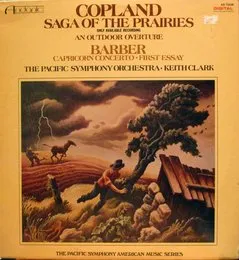
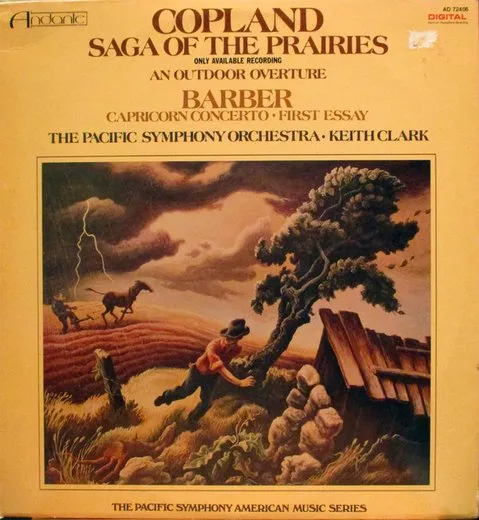
Music of Barber and Copland
-
1983
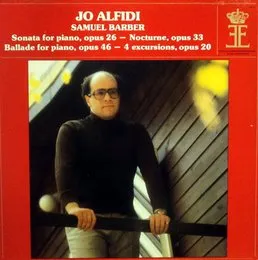
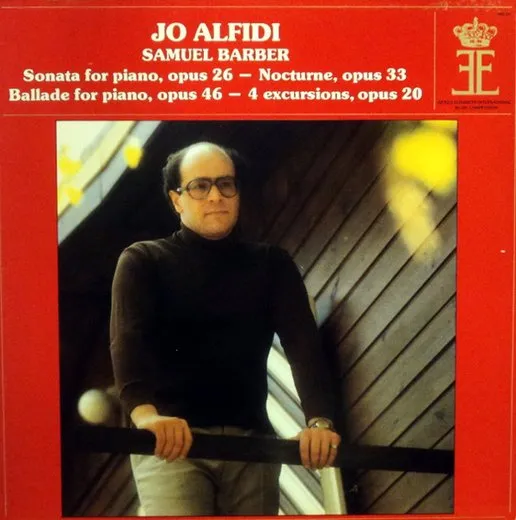
Sonata for piano, op. 26 / Nocturne, op. 33 / Ballade for piano, op. 46 / 4 Excursions, op. 20
-
1983
Gershwin: Rhapsody in Blue / Barber: Adagio for Strings / Copland: Appalachian Spring

-
1985
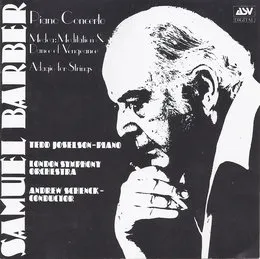
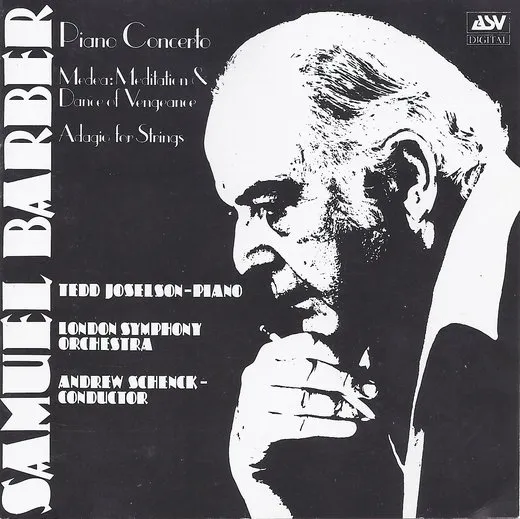
Piano concerto / Medea: Meditation & Dance of Vengance/ Adagio for strings
-
1985
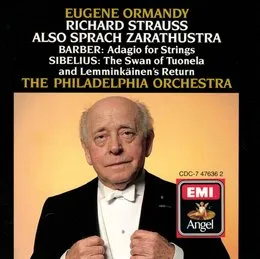
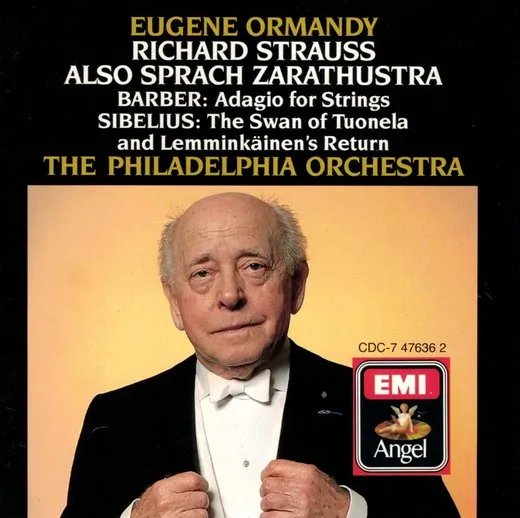
Strauss: Also sprach Zarathustra / Barber: Adagio for Strings / Sibelius: The Swan of Tuonela / Lemminkäinen's Return
-
1985
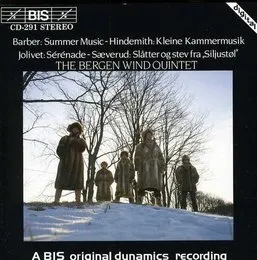
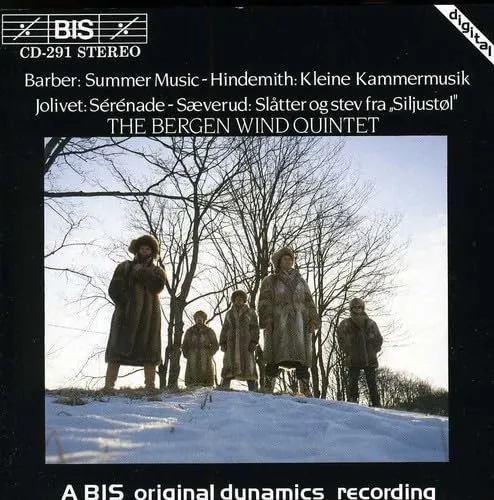
Barber: Summer Music / Hindemith: Kleine Kammermusk / Jolivet: Sérénade / Sæverud: Slåtter og stev fra „Siljustøl”
-
1986
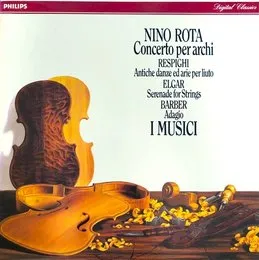
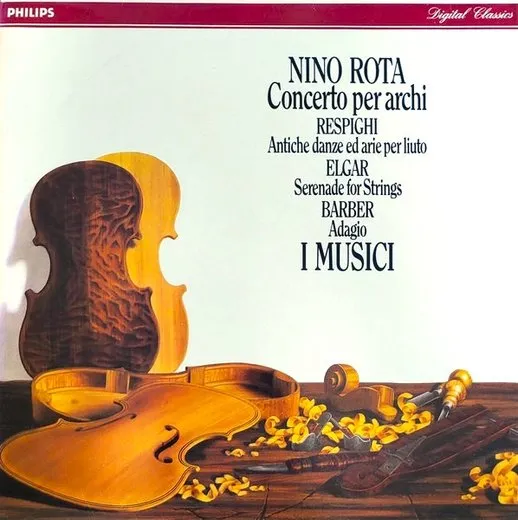
Respighi: Ancient Airs & Dances; Barber: Adagio for Strings; Rota: Concerto for Strings; Elgar: Serenade

-
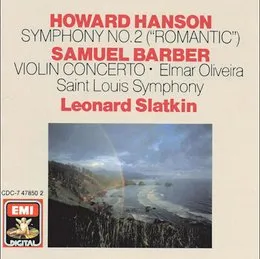
1987
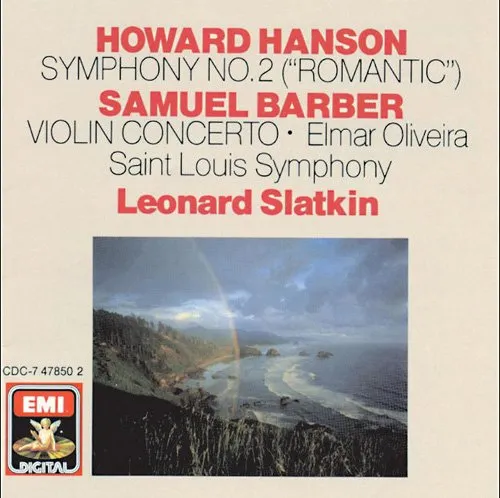
Hanson: Symphony no. 2 "Romantic" / Barber: Concerto for Violin and Orchestra
-
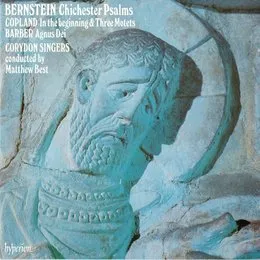
1987
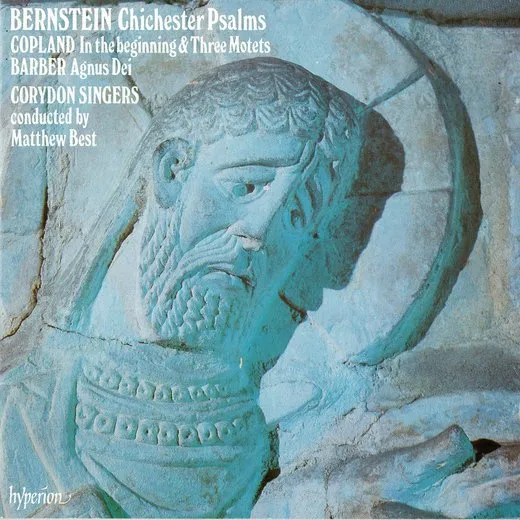
Bernstein: Chichester Psalms / Copland: In the beginning and Three Motets / Barber: Agnus Dei
-
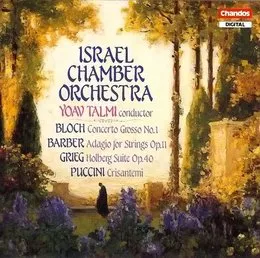
1988
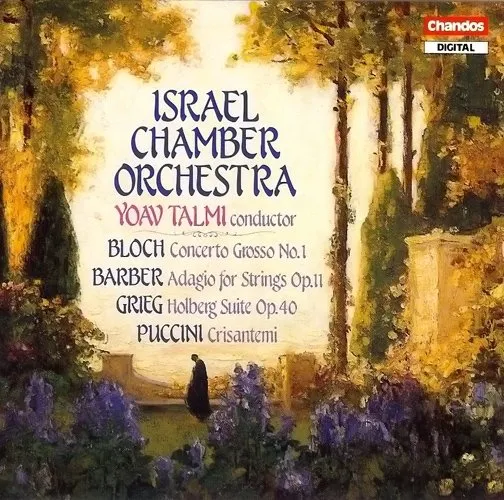
Bloch: Concerto Grosso no. 1 / Barber: Adagio for Strings, op. 11 / Grieg: Holberg Suite, op. 40 / Puccini: Crisantemi
-
1988
Dances Round the World
-
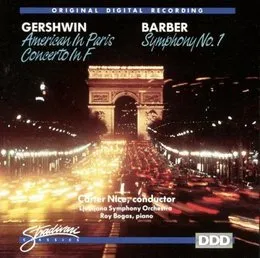
1988
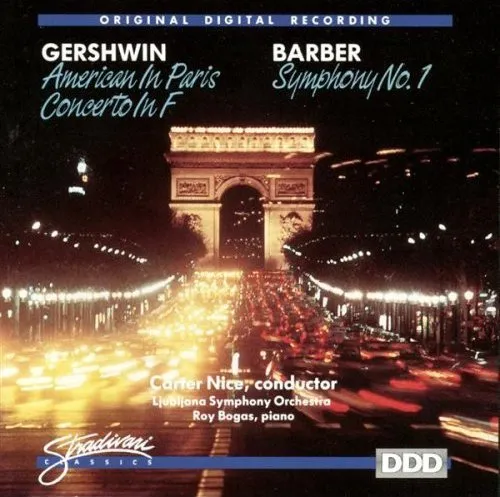
Gershwin: American in Paris / Concerto in F / Barber: Symphony no. 1
-
1988
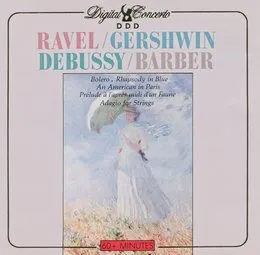
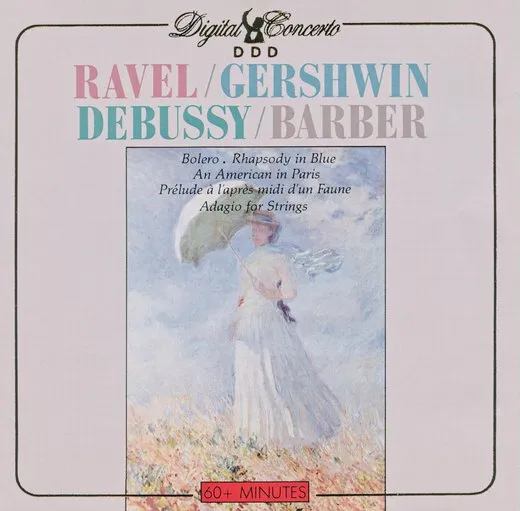
Ravel: Bolero / Gershwin: Rhapsody in Blue / Gershwin: An American in Paris / Debussy: Prélude à l'après-midi d'un faune / Barber: Adagio for Strings
Live, Kompilationen & Demos 2

Gezeigt wird eine Auswahl von 25 Veröffentlichungen. Vollständige Diskografie bei MusicBrainz
Beschreibung
Samuel Osborne Barber (March 9, 1910–January 23, 1981) was an American composer of classical music, best known for his Adagio for Strings.
He was born in West Chester, Pennsylvania and began to compose at the age of seven. He studied at the Curtis Institute of Music in Philadelphia before becoming a fellow of the American Academy in Rome in 1935. The following year he wrote his String Quartet in B minor, the second movement of which he would arrange, at Arturo Toscanini's suggestion, for string orchestra as Adagio for Strings, and again for mixed chorus as Agnus Dei.
He tended to avoid the experimentalism of some other American composers of his generation, preferring relatively traditional harmonies and forms until late in his life. Most of his work is lushly melodic and has often been described as neo-romantic, though some of his later works, notably the Third Essay and the Dance of Vengeance, display a masterful use of percussive effects, modernism, and neo-Stravinskian effects.
His songs, accompanied by piano or orchestra, are among the most popular 20th-century songs in the classical repertoire. They include a setting of Matthew Arnold's Dover Beach, originally written for string quartet and baritone, the Hermit Songs on anonymous Irish texts of the 8th to 13th centuries, and Knoxville: Summer of 1915, written for the soprano Eleanor Steber and based on an autobiographical text by James Agee, the introductory portion of his novel A Death in the Family. Barber possessed a good baritone voice and, for a while, considered becoming a professional singer. He made a few recordings, including his own Dover Beach.
His Piano Sonata, Op. 26 (1949), a piece commissioned by Richard Rodgers and Irving Berlin, was first performed by Vladimir Horowitz. It was the first large-scale American piano work to be premiered by such an internationally renowned pianist.
Barber composed three operas. Vanessa, composed to a libretto by Gian Carlo Menotti (his partner both professionally and personally), premiered at the Metropolitan Opera in New York City. It was a critical and popular success, and Barber won a Pulitzer Prize for it. At the European premiere it met with a chillier reception, however, and is now little played there, although it remains popular in America.
Barber produced three concertos for solo instruments and orchestra. The first was for violin. The second was for cello. And the third and last was for piano.
The Violin Concerto was written in 1939 and 1940 in Sils-Maria, Switzerland and Paris. The work was premiered by violinist Albert Spalding with the Philadelphia Orchestra conducted by Eugene Ormandy on February 11, 1941. The concerto soon entered the standard violin and orchestral repertoire.
The Cello Concerto was completed in 1945. It was commissioned by the Boston Symphony Orchestra for the Russian cellist Raya Garbousova who premiered it on April 5, 1946. The following year the work won Barber the New York Music Critics' Circle Award.
The Piano Concerto was composed for and premiered by pianist John Browning, on September 24, 1962, with Erich Leinsdorf conducting the Boston Symphony Orchestra at Lincoln Center, New York. The work was met with great critical acclaim. It won Barber his second Pulitzer Prize in 1963 and the Music Critics Circle Award in 1964. John Browning played the piece over 500 times in his career, securing its place in the repertoire.
Barber also wrote a virtuosic work for organ and orchestra, Toccata Festiva, for the famed organist E. Power Biggs in the early 1960s. The New York Philharmonic commissioned an oboe concerto, but Barber completed only the slow central Canzonetta before his death.
Among his purely orchestral works, there are two symphonies (1936 and 1944), the overture The School for Scandal (1932), three essays for orchestra (1938, 1942 and 1978), and the late Fadograph of a Yestern Scene (1973). There are also large-scale choral works, including the Prayers of Kierkegaard (1954), based on the writings of the Danish existential theologian, Søren Kierkegaard, and The Lovers (1971), based on Twenty Poems of Love and a Song of Despair, by Pablo Neruda.
In addition to the sonata, his piano works include Excursions Op. 20, Three Sketches, Souvenirs, and various other single pieces.
Never a prolific composer, Barber wrote much less after the critical failure of his opera Antony and Cleopatra. This had a libretto by film and opera director Franco Zeffirelli, and had been commissioned to open the new Metropolitan Opera House at Lincoln Center for the Performing Arts in 1966. The opera was more favorably received in 1975 presented in the intimate setting of the Juilliard School with the partnership and stage direction of Gian-Carlo Menotti, and was subsequently recorded.
He died in New York City in 1981.
Kommentare
0Bitte anmelden, um zu kommentieren.
Noch keine Kommentare – sei die/der Erste, die/der etwas zu Samuel Barber schreibt!