Diskografie
-
1956
Trio in G minor, op. 9 no. 5 / Trio in G major, op. 38 no. 2 / Quartet in A major, op. 39 no. 8 / La Tiranna, op. 44 no. 4
-
1957
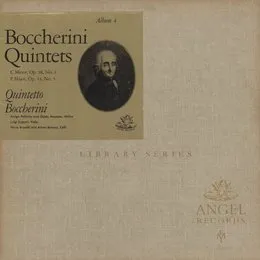
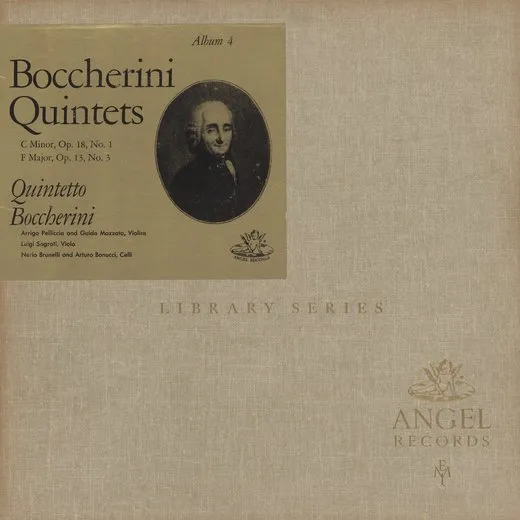
Boccherini Quintets, Album 4
-
1965
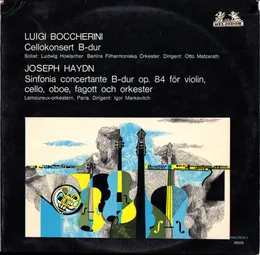
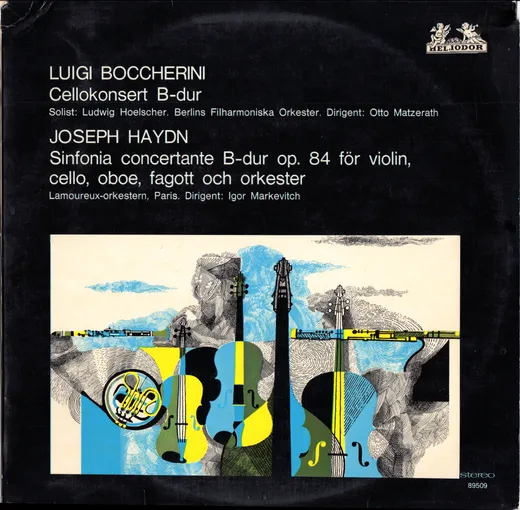
Luigi Boccherini: Cellokonsert B-dur / Joseph Haydn: Sinfonia Concertante B-dur op. 84 för violin, cello, oboe, fagott och orkester
-
1969
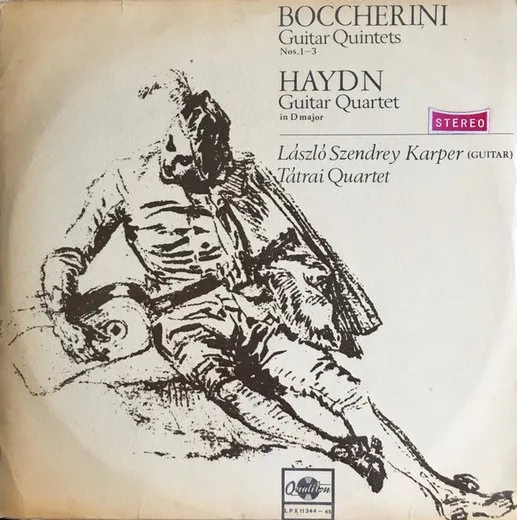
Boccherini: Guitar Quintets nos. 1–3 / Haydn: Guitar Quartet in D major

-
1969
String Quartets
-
1972
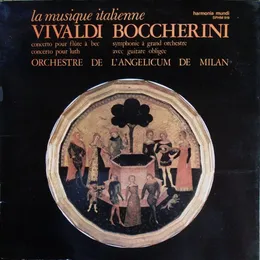
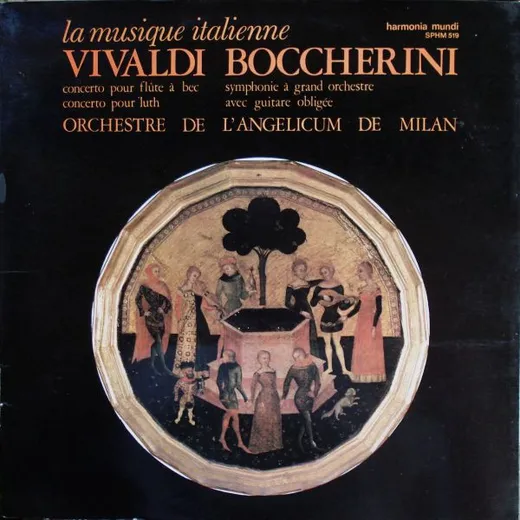
La Musique Italienne

-
1973
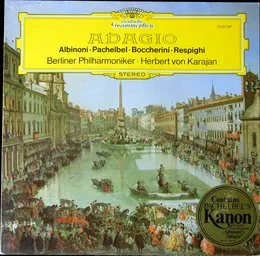
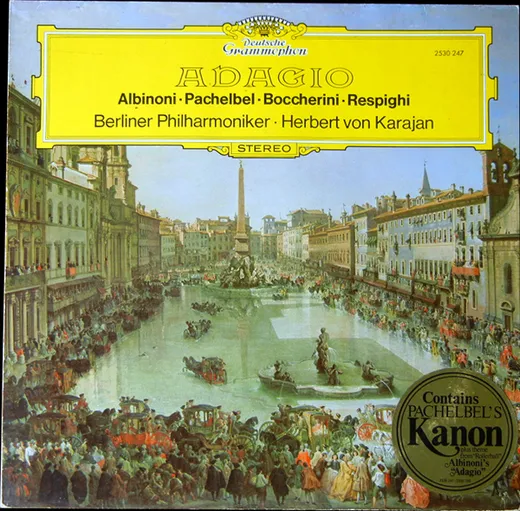
Adagio
-
1973
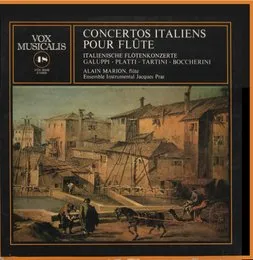
Concertos italiens pour flûte
-
1977
String Quartets, Op.6, No.1 & 3 / Op.58, No.2
-
1977
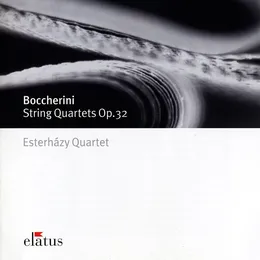
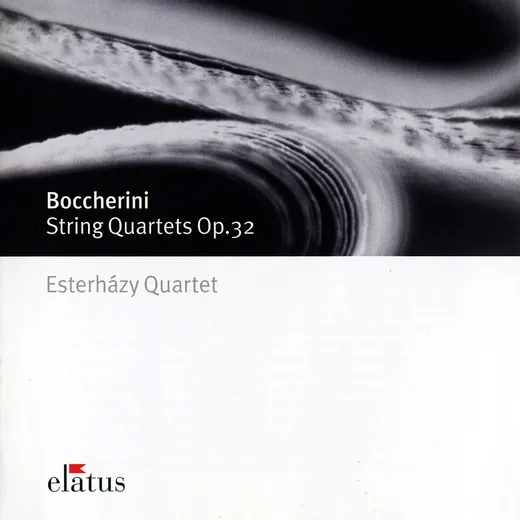
String Quartets, op. 32
-
1978
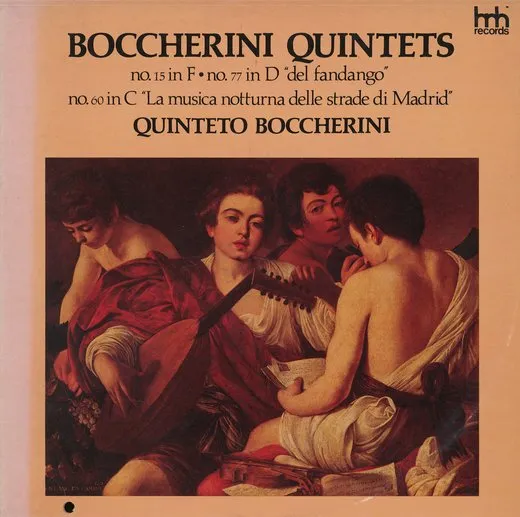
Quintet no. 15 in F / Quintet no. 77 in D “Del Fandango” / Quintet no. 60 in C “La musica notturna delle strade di Madrid”

-
1985
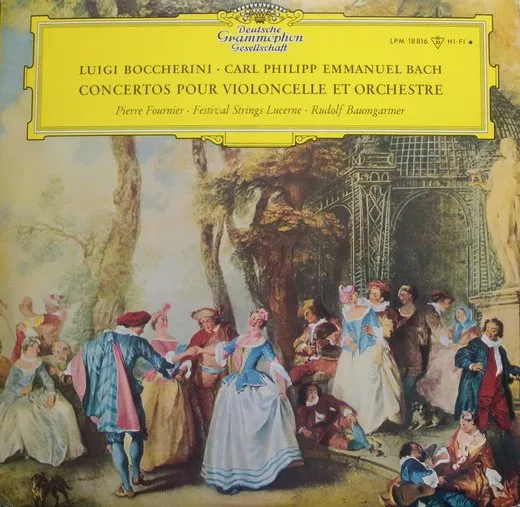
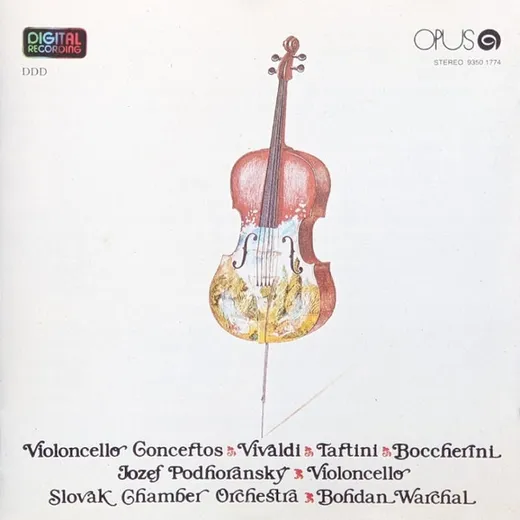
Cello Concertos
-
1985
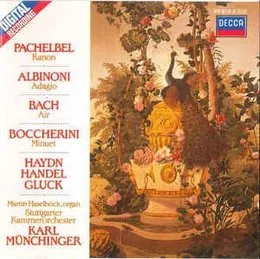
Pachelbel: Kanon / Albioni: Adagio / Bach: Air / Boccherini: Minuet

-
1985
Seven Symphonies
-
1986
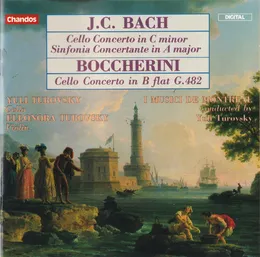
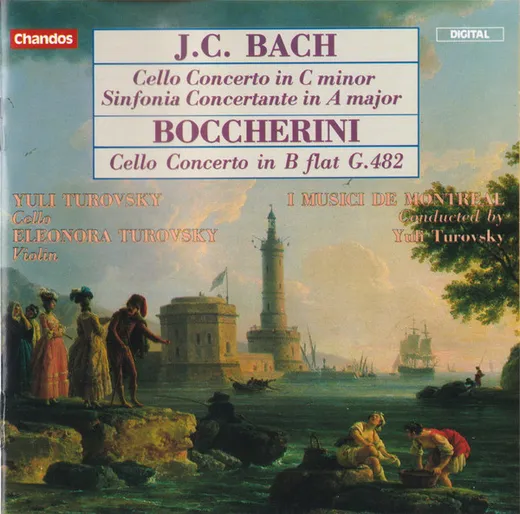
Bach: Cello Concerto in C minor / Sinfonia Concertante in A major / Boccherini: Cello Concerto in B-flat, G.482
-
1986
Quatuors pour deux clavecins / Fandango

-
1986
Simion Stanciu “Syrinx” joue J.S. Bach / Suite n°2 en si mineur BWV 1067, C. Stamitz, L. Boccherini
-
1986
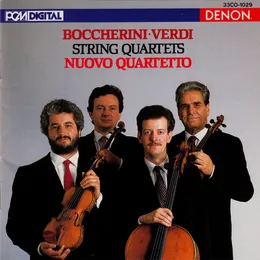
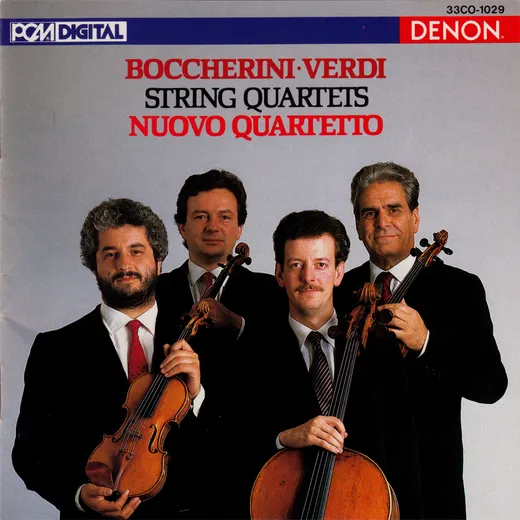
String Quartets
-
1987
4 String Quintets
-
1987
Boccherini: Concerto For Violoncello & Orchestra / J.C. Bach: Symphony Concertante / Grand Overture

Live, Kompilationen & Demos 5
Gezeigt wird eine Auswahl von 25 Veröffentlichungen. Vollständige Diskografie bei MusicBrainz
Beschreibung
Ridolfo Luigi Boccherini (19 February 1743 – 28 May 1805) was an Italian composer and cellist of the Classical era. His music maintained a courtly and galante style, even though he developed somewhat independently from the main classical musical centres. He is best known for the minuet from his String Quintet in E, Op. 11, No. 5 (G 275), and the Cello Concerto in B flat major (G 482). The latter was long known through a heavily altered version by German cellist and arranger Friedrich Grützmacher, but has recently been restored to its original form.
Boccherini also composed several guitar quintets, including the Guitar Quintet No. 4 in D (G 448), whose final movement is a fandango, a lively Spanish dance.
Boccherini was born into a musical family in Lucca, Italy. He was the third child of Leopoldo Boccherini, a cellist and double-bass player, and brother to Giovanni Gastone Boccherini, a poet and dancer who wrote libretti for Antonio Salieri and Joseph Haydn. Luigi received his first music lessons from his father at age five, studying cello, and later continued his studies with Abbé Vanucci, music director of a local cathedral. At thirteen, he went to Rome to study with Giovanni Battista Costanzi. In 1757, Luigi and his father moved to Vienna, where they were employed as musicians at the Burgtheater.
In 1768, Boccherini moved to Madrid and in 1770 entered the service of Infante Luis Antonio of Spain, younger brother of King Charles III. He flourished under royal patronage until a disagreement with the King led to his dismissal after Boccherini doubled a passage in a trio that the King had ordered him to change. Boccherini then accompanied Infante Luis to Arenas de San Pedro and Candeleda, where he composed many of his notable works.
Later patrons included Lucien Bonaparte, the French ambassador to Spain, and King Friedrich Wilhelm II of Prussia, an amateur cellist and flautist. Boccherini experienced difficult times after the deaths of his Spanish patron, his two wives, and four daughters. He died in Madrid in 1805, survived by two sons. His remains were initially buried in the Pontifical Basilica of St. Michael in Madrid and were transferred in 1927 to the church of San Francesco in Lucca.
Kommentare
0Bitte anmelden, um zu kommentieren.
Noch keine Kommentare – sei die/der Erste, die/der etwas zu Luigi Boccherini schreibt!