Diskografie
-
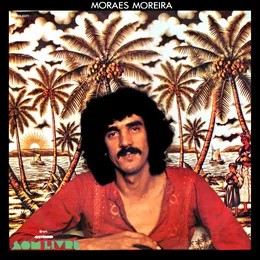
1975
Moraes Moreira
-
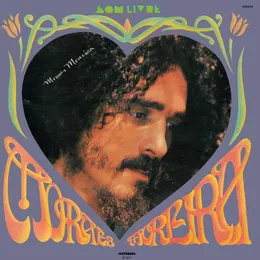
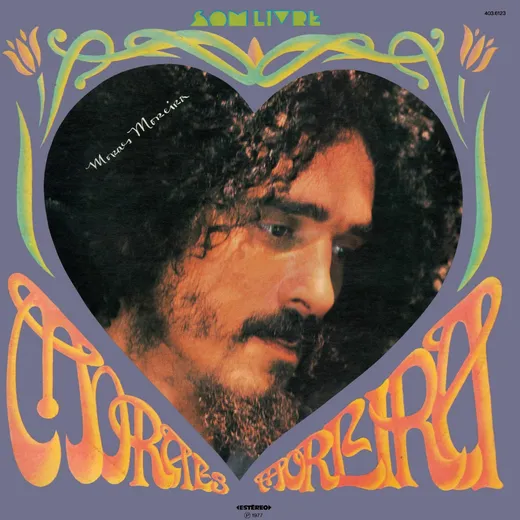
1977
Cara e Coração
-
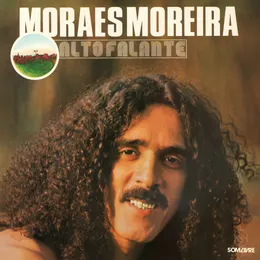
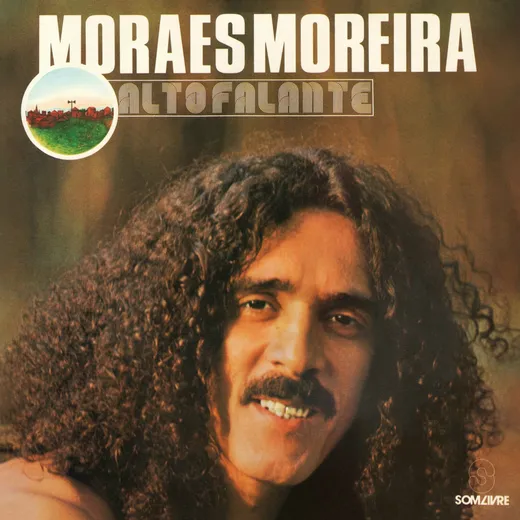
1978
Alto Falante
-
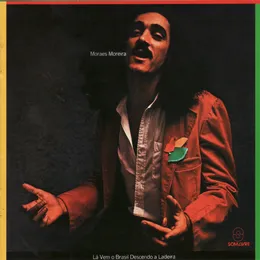
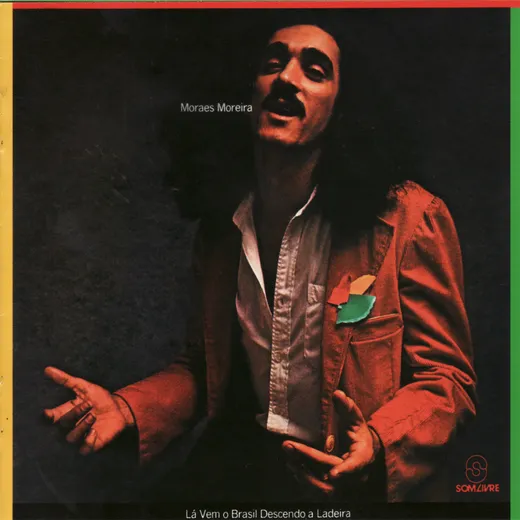
1979
Lá Vem o Brasil Descendo a Ladeira
-
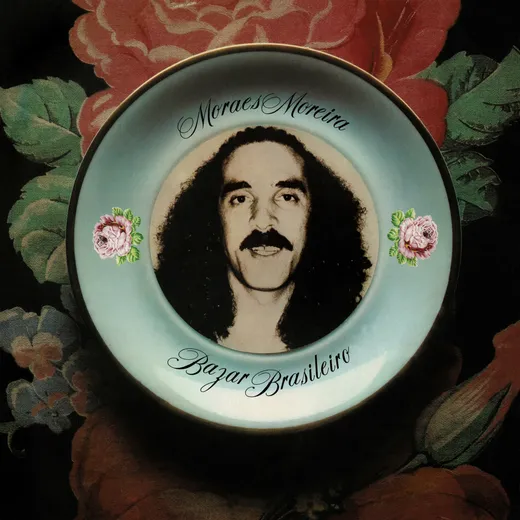
1980
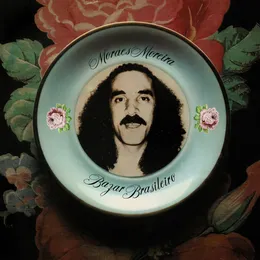
Bazar Brasileiro
-
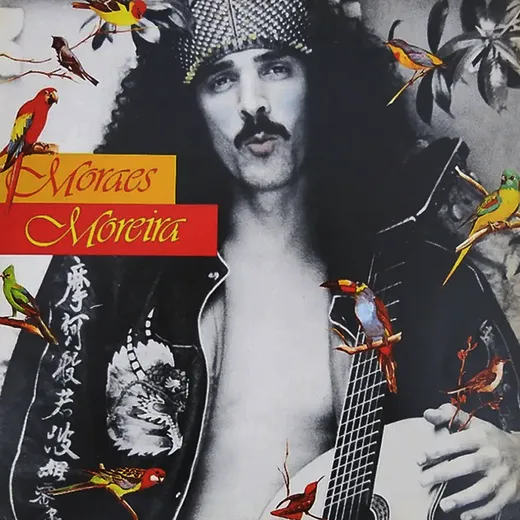
1981
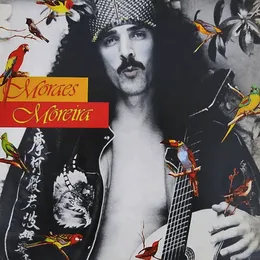
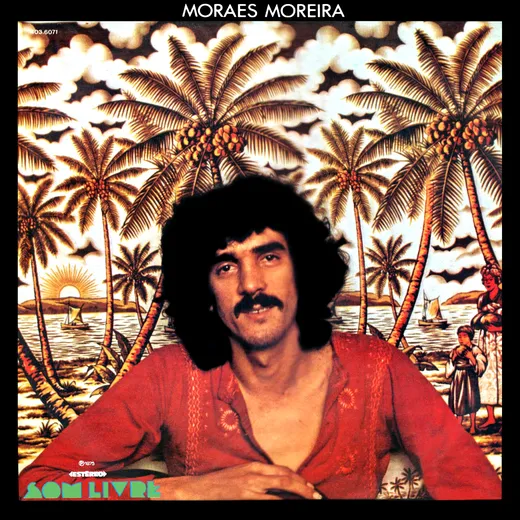
Moraes Moreira
-
1982
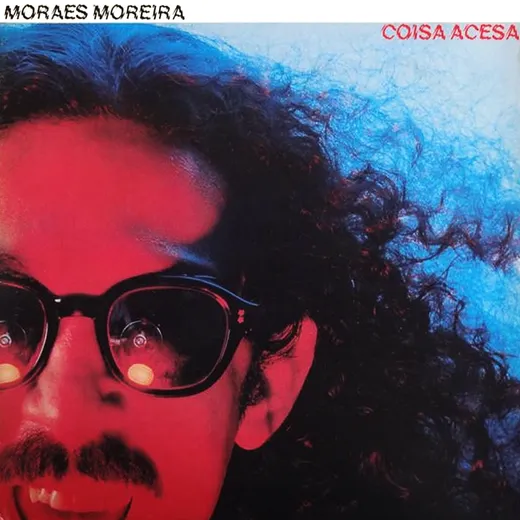
Coisa acesa
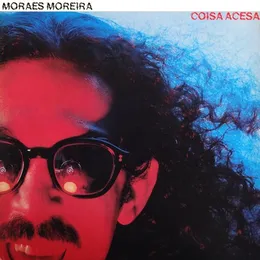
-
1983
Pintando O Oito
-
1984
Mancha de Dende Não Sai
-
1985
Tocando a Vida
-
1986
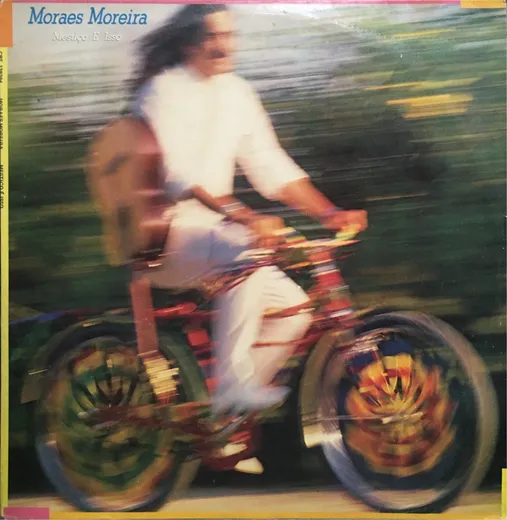
Mestiço É Isso
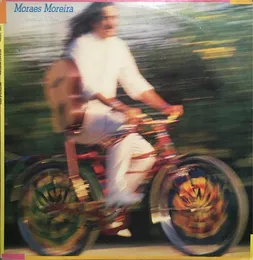
-
1988
Baiano Fala Cantando
-
1988
República da Música
-
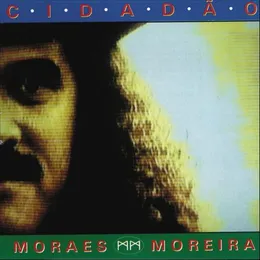
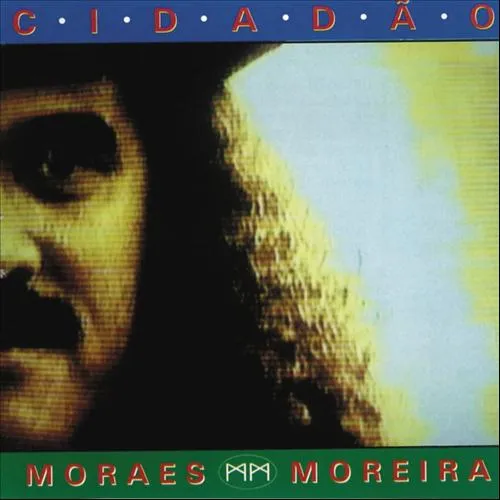
1991
Cidadão
-
1993
Tem Um Pé no Pelô

-
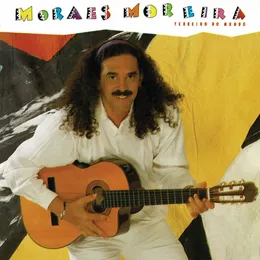
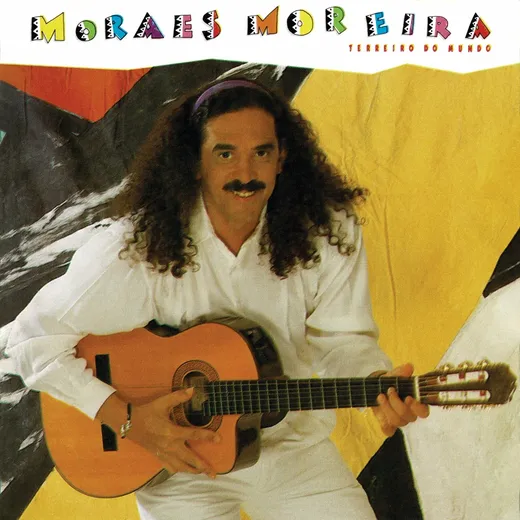
1993
Terreiro Do Mundo
-
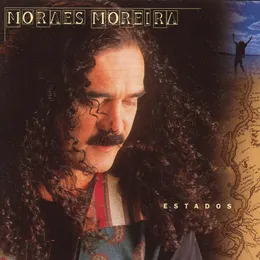
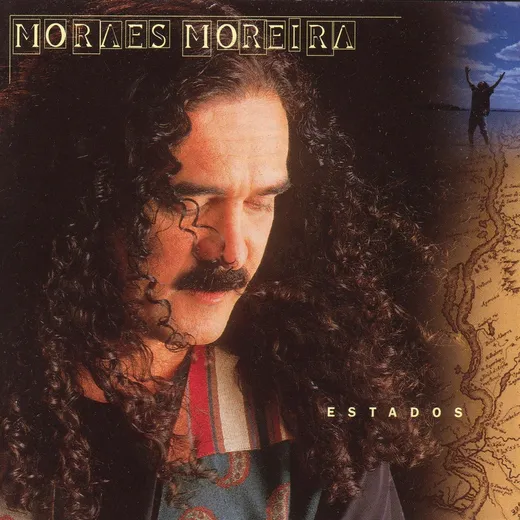
1996
Estados
-
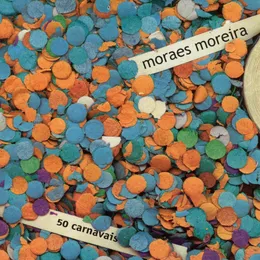
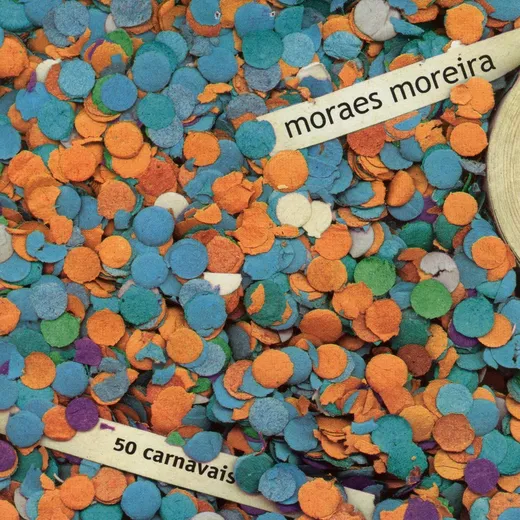
1997
50 Carnavais
-
1997
O Brasil tem Conserto

-
1999
500 Sambas
-
2000
Bahião com H

-
2003
Meu Nome É Brasil

-
2005
De Repente

-
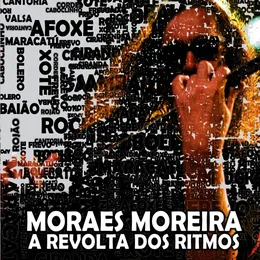
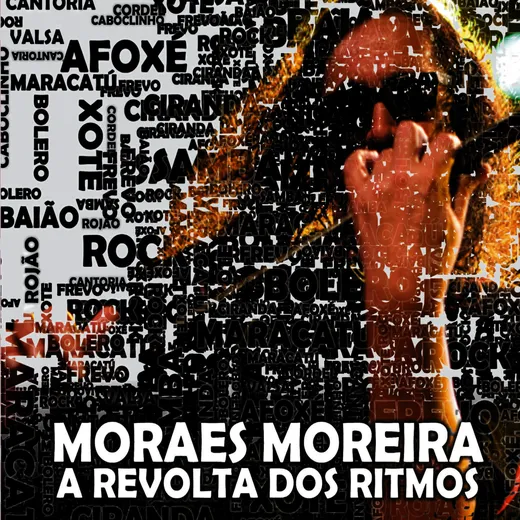
2012
A Revolta dos Ritmos
-
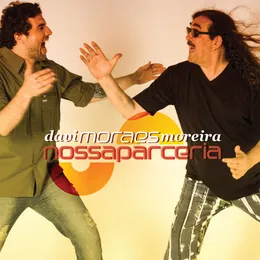
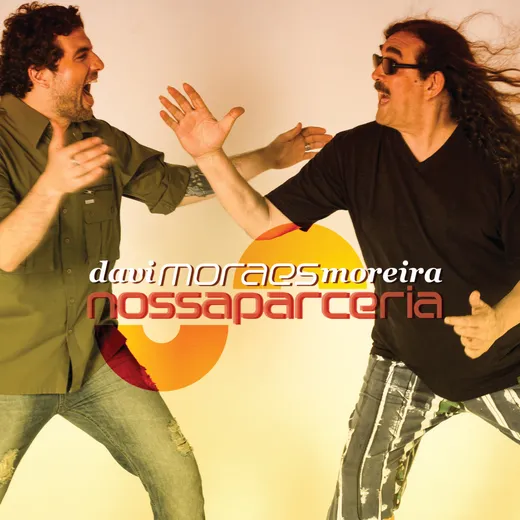
2015
Nossa Parceria


Gezeigt wird eine Auswahl von 25 Veröffentlichungen. Vollständige Diskografie bei MusicBrainz
Beschreibung
The founder of Os Novos Baianos, Moraes Moreira was the main composer of the group (with lyricist Luís Galvão). Departing for a highly successful solo career, he has recorded many albums, always fusing the rich folklore of Bahia with rock and pop influences. He also became an ardent fighter for the cause of the Bahian Carnival, promoting shows with that repertory throughout Brazil. His compositions have been recorded by many interpreters, among them Gal Costa (her rendition of "Festa do Interior" was the most played song in Brazil in 1982), Daniela Mercury, Fagner, Simone, Zizi Possi, Ney Matogrosso, Elba Ramalho, and Marisa Monte.
Raised in Bahia's hinterlands, Moraes Moreira approached the violão (acoustic guitar), influenced by Roberto Carlos. At 19, he moved to Salvado, BA, where he frequented classes at the Seminário de Música da Bahia. He then joined the vocal quartet Canto Quatro, a MPB-4 clone who accompanied Dorival Caymmi. He took some music classes with Tom Zé and discovered his craze for the trios-elétricos. In the boarding house where he lived in Salvador, he became acquainted with Paulinho Boca de Cantor and Luís Galvão, with whom he would form Os Novos Baianos in 1968. In 1975, he left the group for his solo career. In 1976, he joined the historic Trio Elétrico de Dodô e Osmar (the first of Bahia), who still had a novice (but already virtuosic) mandolinist, Armandinho. Moreira had huge success with that project, which led him to write frevos and sambas for the group, becoming a prominent fighter in the cause of the Bahian Carnival. He produced two LPs with the Trio Elétrico, the last one being É a Massa. "Pombo Correio," released in 1978, reached the national hit parade. In 1983, he developed his Projeto Brasil, a series of shows through all of Brazil's capitals that explored the rich folklore of the Carnival of Bahia.
Kommentare
0Bitte anmelden, um zu kommentieren.
Noch keine Kommentare – sei die/der Erste, die/der etwas zu Moraes Moreira schreibt!