Diskografie
-
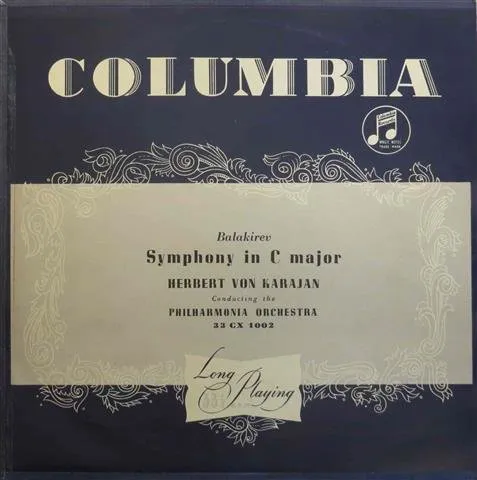
1984
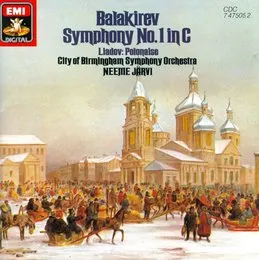
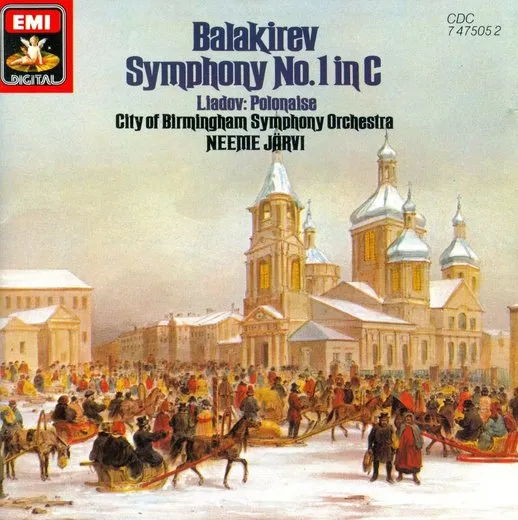
Balakirev: Symphony no. 1 in C / Liadov: Polonaise
-
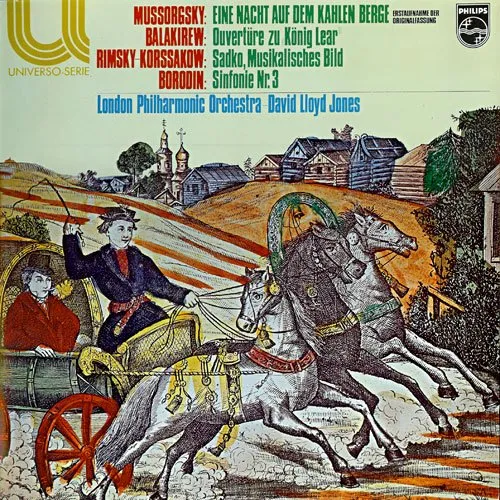
1985
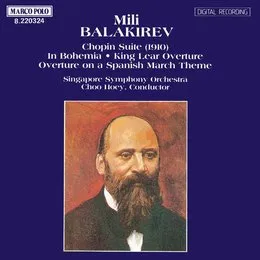
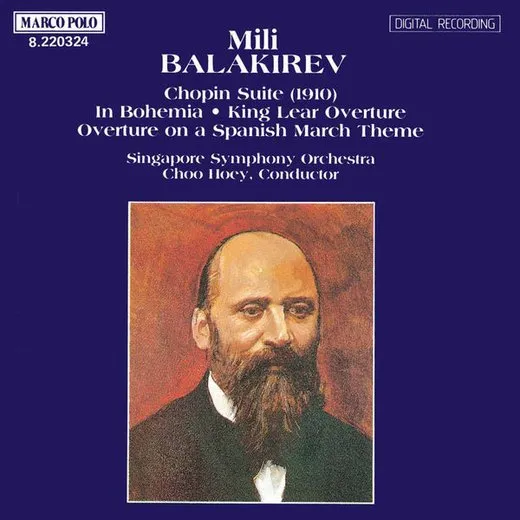
Chopin Suite / In Bohemia / King Lear Overture / Overtures on a Spanish March Theme
-
1986
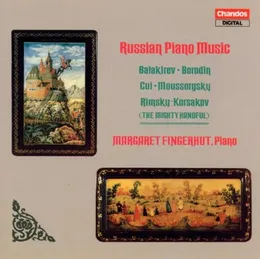
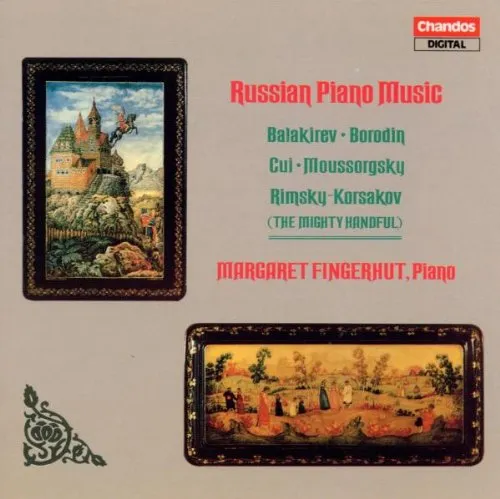
Russian Piano Music
-
1988
Balakirev: The Lark / Sonata in B-flat minor / Scriabin: Two Poems, op. 32 / Sonata no. 3 in F-sharp minor, op. 23 / Vers la flamme, op. 72

-
1990
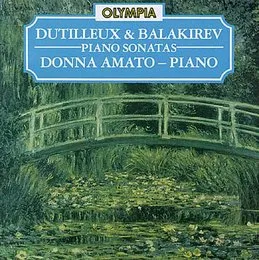
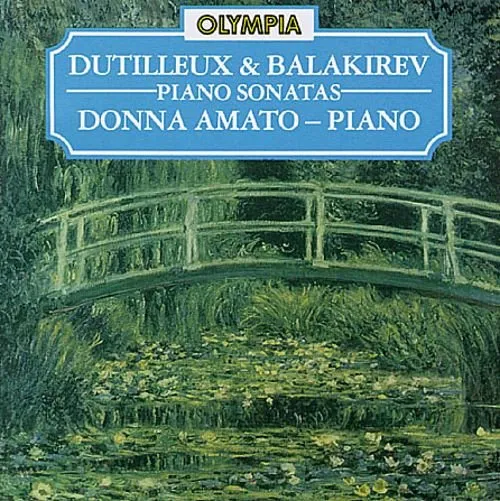
Piano Sonatas
-
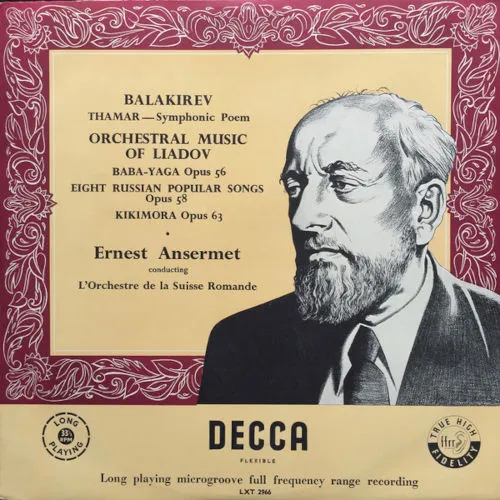
1990
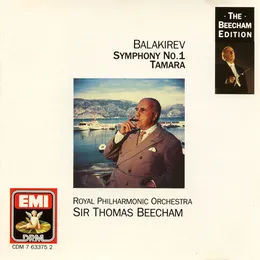
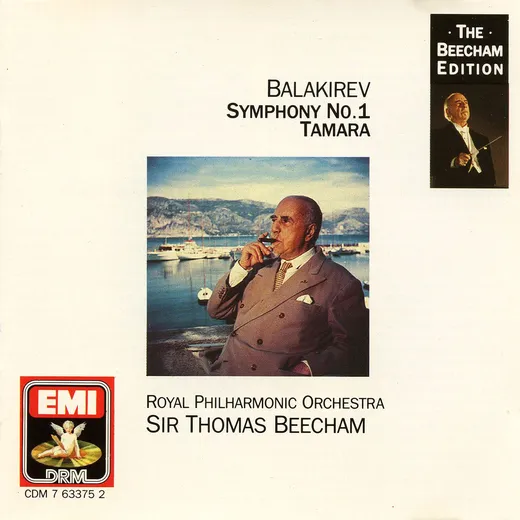
Symphony no. 1 / Tamara
-
1991
1812



-
1991
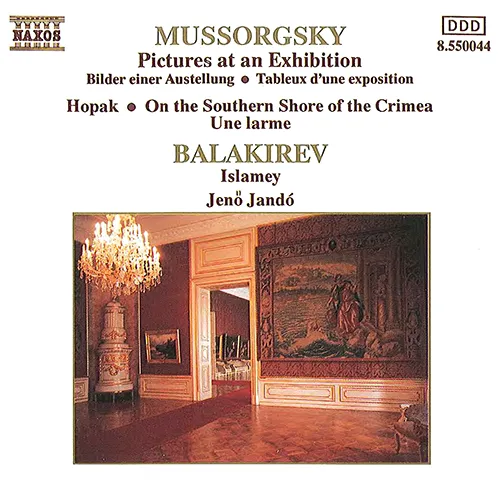
Mussorgsky: Pictures at an Exhibition / Hopak / On the Southern Shore of the Crimea / Une larme / Balakirev: Islamey
-
1992
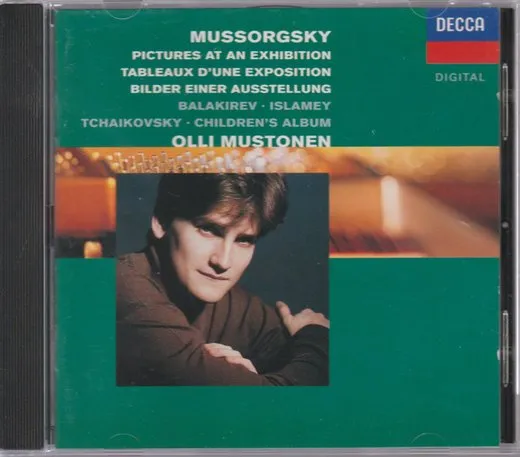
Mussorgsky: Pictures at an Exhibition / Balakirev: Islamey / Tchaikovsky: Children’s Album
-
1992
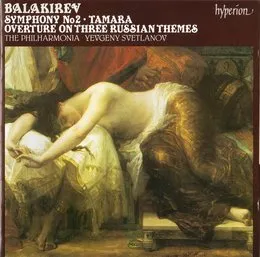
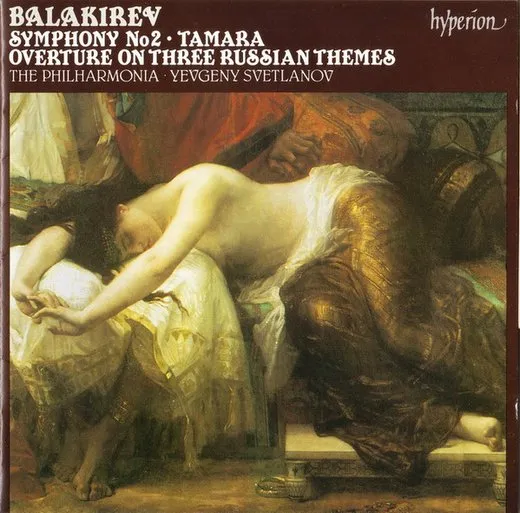
Symphony No 2 ∙ Tamara ∙ Overture On Three Russian Themes
-
1992
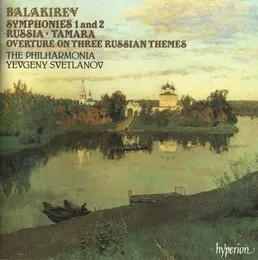
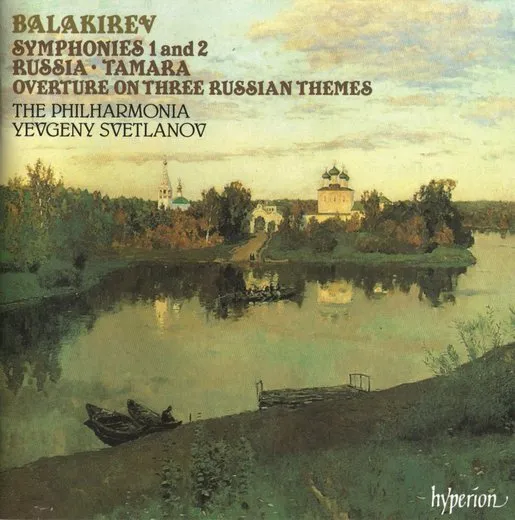
Symphonies 1 and 2 / Russia / Tamara / Overture on Three Russian Themes
-
1993
A Russian Piano Recital
-
1993
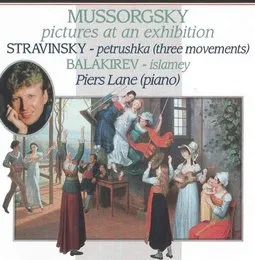
Mussorgsky: Pictures at an Exhibition / Stravinsky: Petrushka (Three Movements) / Balakirev: Islamey
-
1993
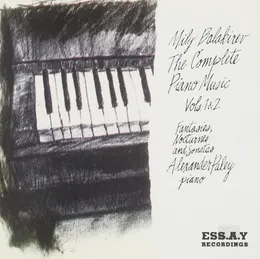
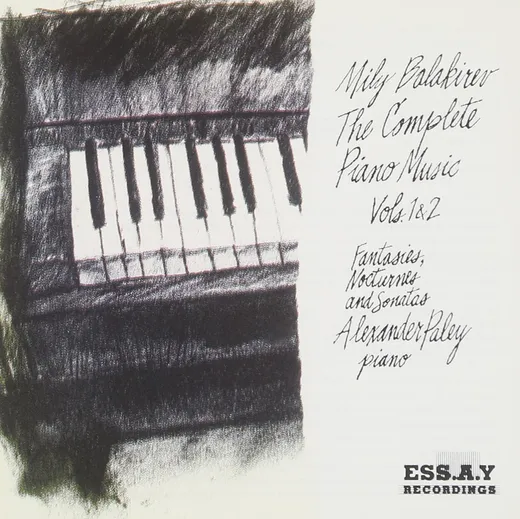
The Complete Piano Music, Vols. 1 & 2: Fantasies, Nocturnes and Sonatas

-
1993
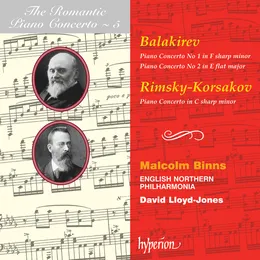
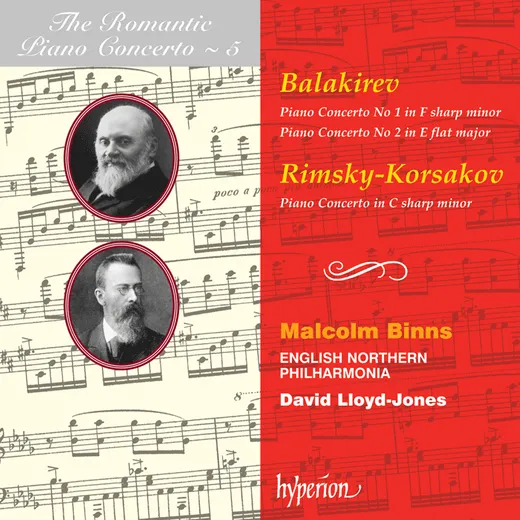
The Romantic Piano Concerto, Volume 5: Balakirev: Piano Concerto no. 1 in F-sharp minor / Piano Concerto no. 2 in E-flat major / Rimsky-Korsakov: Piano Concerto in C-sharp minor
-
1994
Symphony no. 2 / Russia (Symphonic Poem)

-
1994
Symphony no. 1 / Islamey / Tamara

-
1994
Symphony no. 1 in C major / Symphony no. 2 in D minor
-
1995
Rimsky‐Korsakov: Scheherazade / Balakirev: Russia
-
1996
Mussorgsky / Rachmaninov / Balakirev / Medtner / Liadov

-
1996
Piano Music, Vol. 1



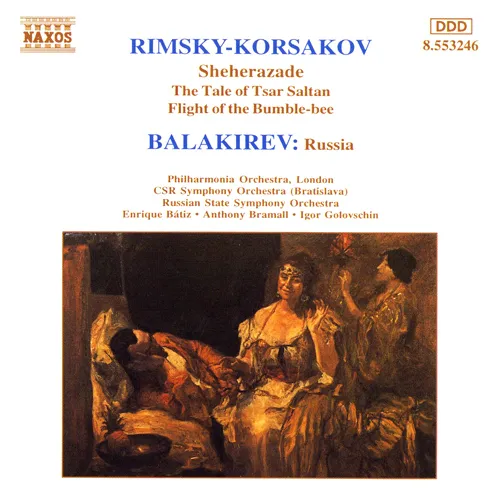


Gezeigt wird eine Auswahl von 25 Veröffentlichungen. Vollständige Diskografie bei MusicBrainz
Beschreibung
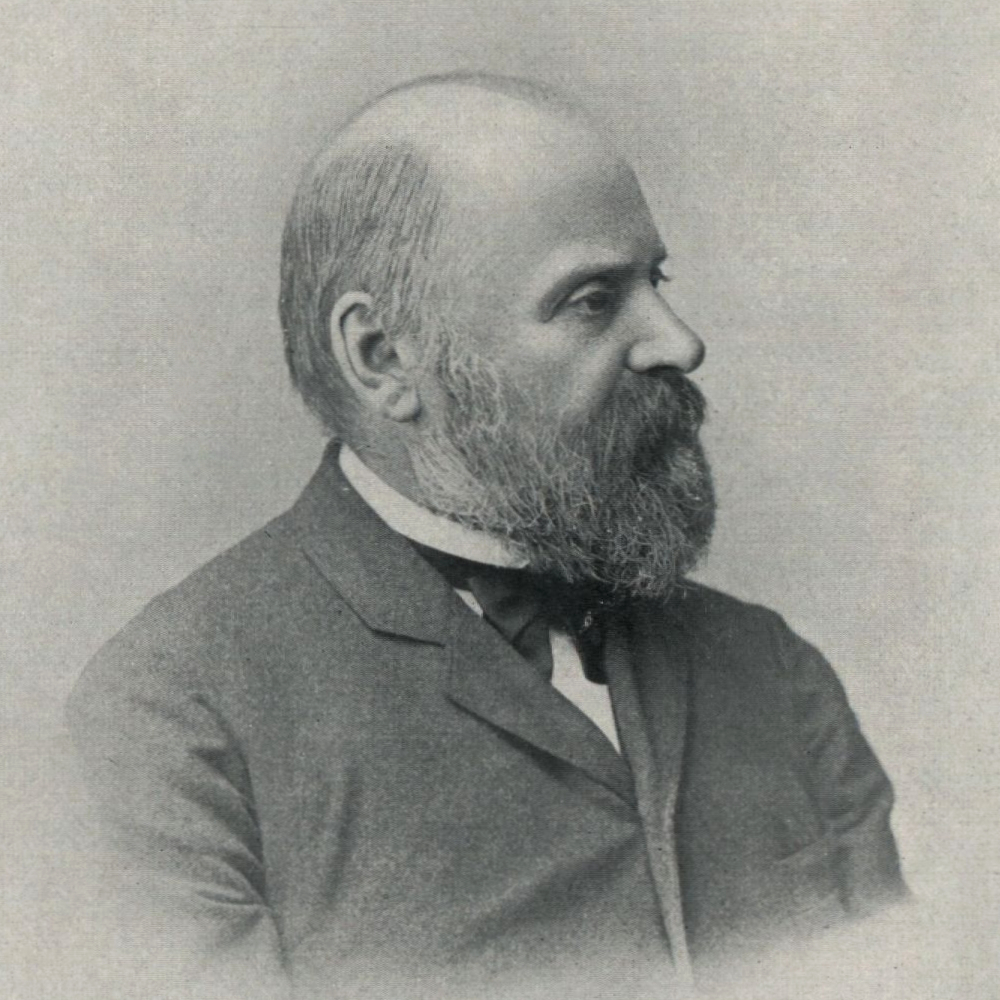
Mily Alexeyevich Balakirev (2 January 1837 [O.S. 21 December 1836] – 29 May [O.S. 16 May] 1910) was a Russian pianist, conductor and composer known today primarily for his work promoting musical nationalism. He began his career as a pivotal figure, extending the fusion of traditional folk music and experimental classical music practices begun by composer Mikhail Glinka. In the process, Balakirev developed musical patterns that could express overt nationalistic feeling. After a nervous breakdown and consequent sabbatical, he returned to classical music but did not wield the same level of influence as he had done previously.
In conjunction with critic and fellow nationalist Vladimir Stasov, in the late-1850s and early 1860s Balakirev brought together the composers now known as The Five —the others were Alexander Borodin, César Cui, Modest Mussorgsky and Nikolai Rimsky-Korsakov. For several years, Balakirev was the only professional musician of the group; the others were amateurs limited in musical education but possessing enormous potential. He imparted to them his musical beliefs, which continued to underlie their thinking long after he left the group in 1871, and encouraged their compositional efforts. While his methods could be dictatorial, the results of his influence were several works which established these composers' reputations individually and as a group. He performed a similar function for Pyotr Ilyich Tchaikovsky at two points in the latter's career—in 1868-9 with the fantasy-overture Romeo and Juliet and in 1882-5 with the Manfred Symphony.
Balakirev never received any formal education as a composer, which contributed to his painstakingly slow pace; he began his First Symphony in 1864 but completed it in 1897. The exception to this was his oriental fantasy Islamey for solo piano, which he composed quickly and remains popular among virtuosos. Often, the musical ideas normally associated with Rimsky-Korsakov or Borodin originated in Balakirev's compositions, which Balakirev played at informal gatherings of The Five. However, his slowness in completing works for the public robbed him of credit for his inventiveness, and pieces that would have enjoyed success had they been completed in the 1860s and 70s made a much smaller impact.
Kommentare
0Bitte anmelden, um zu kommentieren.
Noch keine Kommentare – sei die/der Erste, die/der etwas zu Милий Алексеевич Балакирев schreibt!