Beschreibung
Barry John Guy (b. 1947) is a British composer and double bass player of London, United Kingdom. His range of interests encompasses early music, contemporary composition, jazz and improvisation, and he has worked with a wide variety of orchestras in the United Kingdom and Europe. He also taught at Guildhall School of Music.
Born in London, Guy came to the fore as an improvising bassist as a member of a trio with pianist Howard Riley and drummer Tony Oxley. He also became an occasional member of John Stevens' ensembles in the 1960s and 1970s, including the Spontaneous Music Ensemble. In the early 1970s, he was a member of the influential free improvisation group Iskra 1903 with Derek Bailey and trombonist Paul Rutherford (a project revived in the late 1970s, with violinist Philipp Wachsmann replacing Bailey). He also formed a long-standing partnership with saxophonist Evan Parker, which led to a trio with drummer Paul Lytton which became one of the best-known and most widely-travelled free-improvising groups of the 1980s and 1990s. He was briefly a member of the Michael Nyman Band in the 1980s, performing on the soundtrack of The Draughtsman's Contract.
Guy's jazz work is characterized by free improvisation, using a range of unusual playing methods: bowed and pizzicato sounds beneath the bass's bridge; plucking the strings above the left hand; beating the strings with percussion instrument mallets; and "preparing" the instrument with sticks and other implements inserted between the strings and fingerboard. His improvisations are often percussive and unpredictable, inhabiting no discernible harmonic territory and pushing into unknown regions. However, they can also be melodious and tender with due regard for harmonic integration with other players, and at times he will even play with a straight jazz swing feel.
Similarly, in his concert works, Guy manages to alternate harmonic and rhythmic complexity worthy of 1960s experimentalists such as Penderecki and Stockhausen with joyous, often ecstatic, melody. Works such as Flagwalk for string orchestra and Fallingwater - Concerto for Orchestra display Guy's compositional skill in handling extended forms and writing for large instrumental groups.
Some of his compositions, such as Witch Gong Game for ensemble, use graphic notation in conjunction with cue cards to lead performers into playing and improvising material from numbered sections of the score. These graphic scores are intriguing and complex works of art in their own right.
He is also an architect.
Alben
2 of 2
2002-11-01
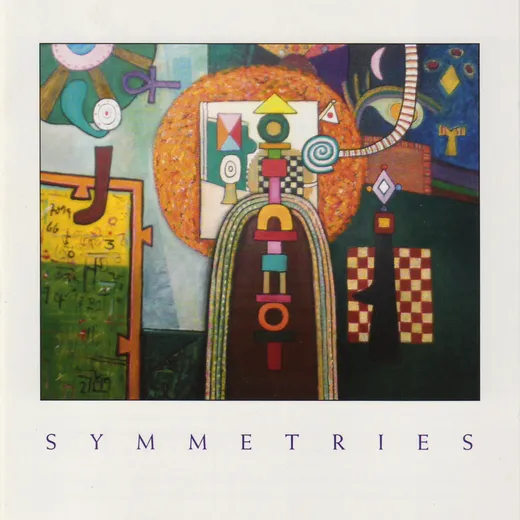
Symmetries
2002
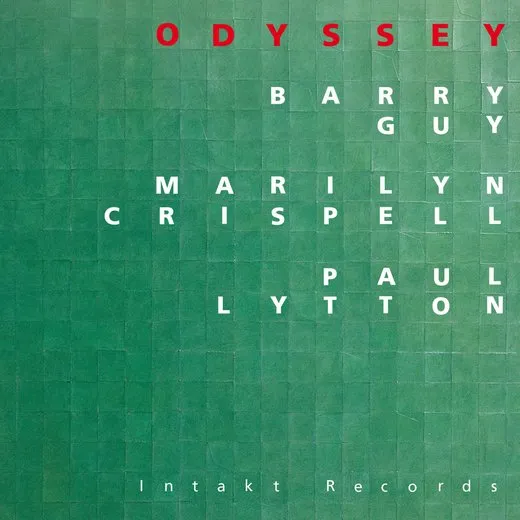
Odyssey
2001-11

Dividuality
2001

Ceremony
1999-01-25
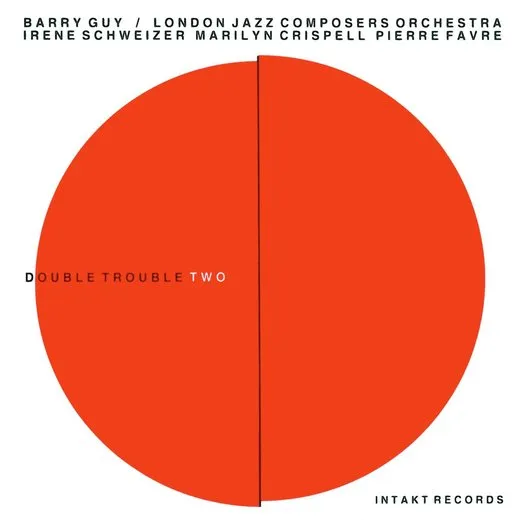
Double Trouble Two
1998

Gudira
1998

Frogging
1997
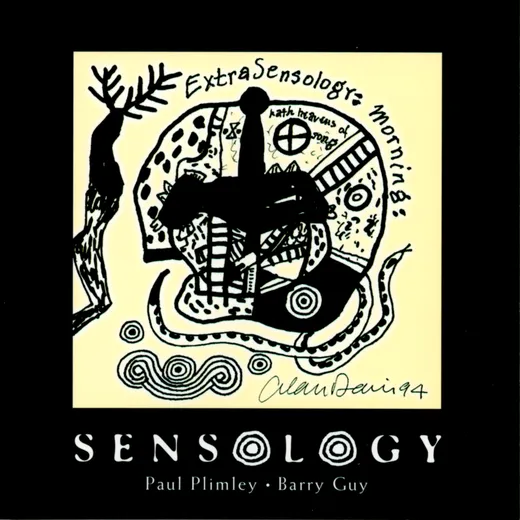
Sensology
1997

Three Pieces for Orchestra
1997

Mouth Eating Trees and Related Activities
1996
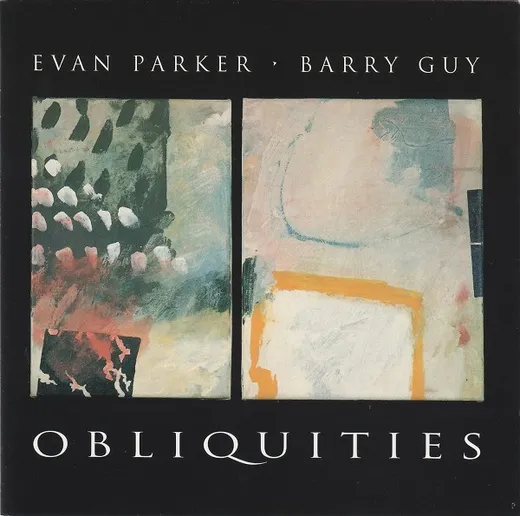
Obliquities
1995
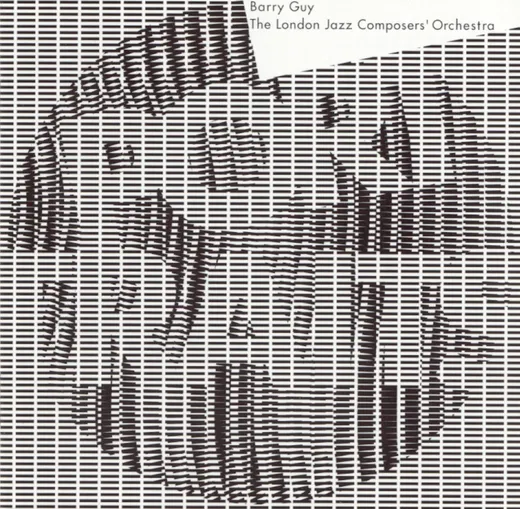
Portraits
1994
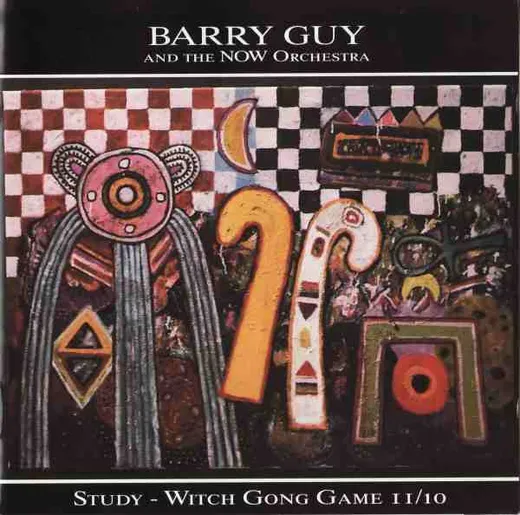
Study - Witch Gong Game II/10
1994
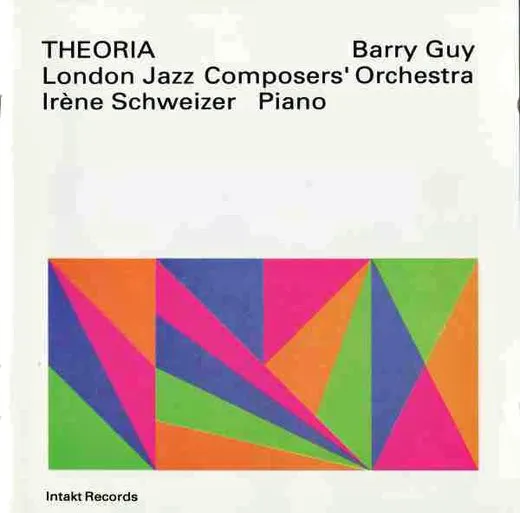
Theoria
1992

Arcus
1991
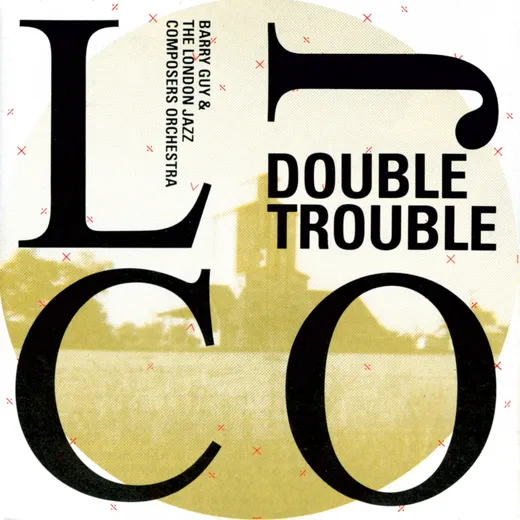
Double Trouble
1990
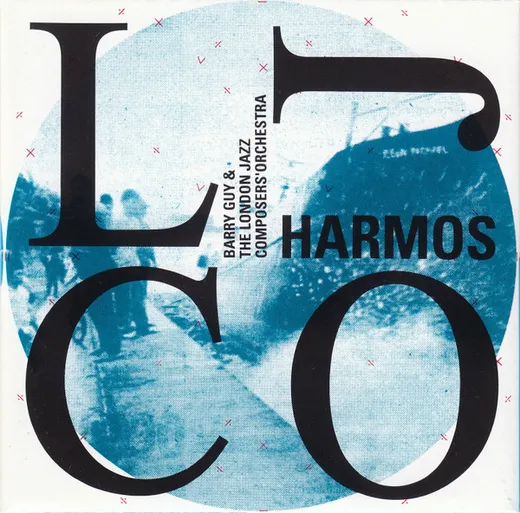
Harmos
1989
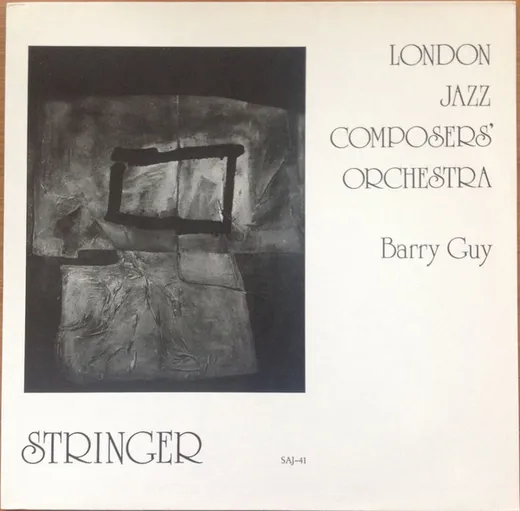
Stringer
1983
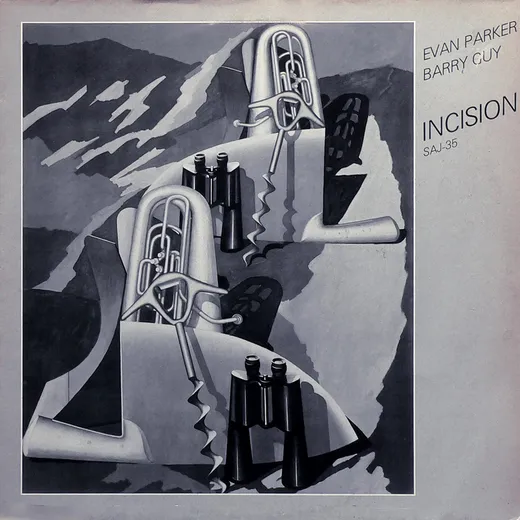
Incision
1981-12-16
Hypa-Stretch
1981-01-07
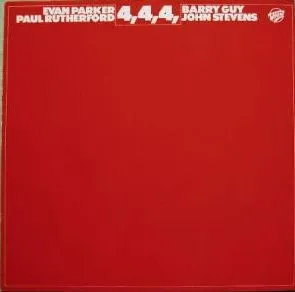
4,4,4,
1980
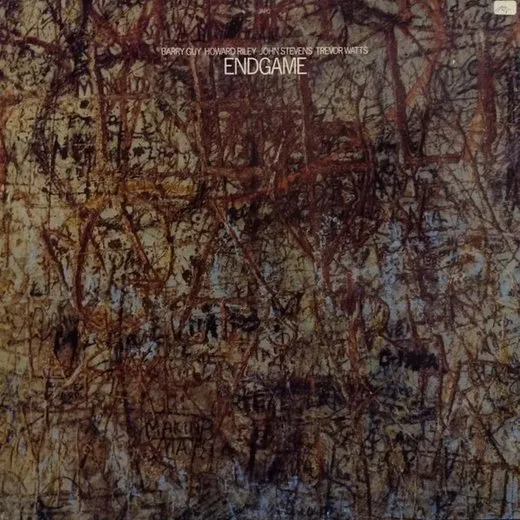
Endgame
1979-09-01
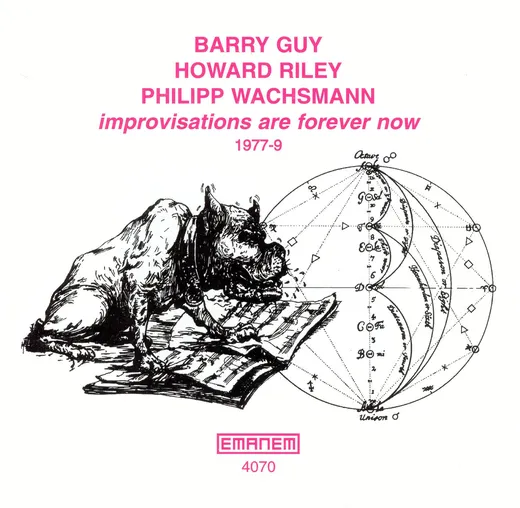
Improvisations Are Forever Now (1977-9)
1978
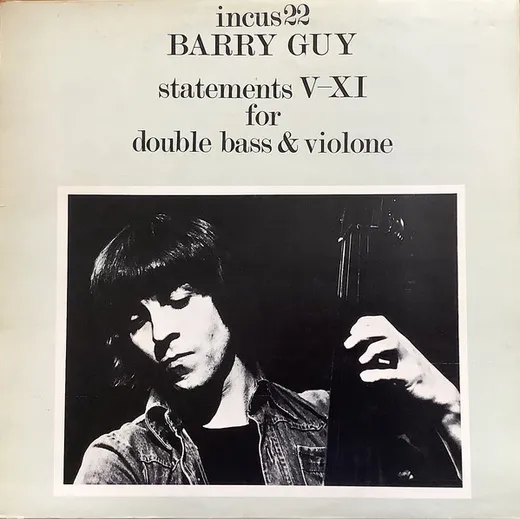
Statements V‐XI for Double Bass & Violone
1977
Kommentare
0Bitte anmelden, um zu kommentieren.
Noch keine Kommentare – sei die/der Erste, die/der etwas zu Barry Guy schreibt!