Diskografie
-
1963
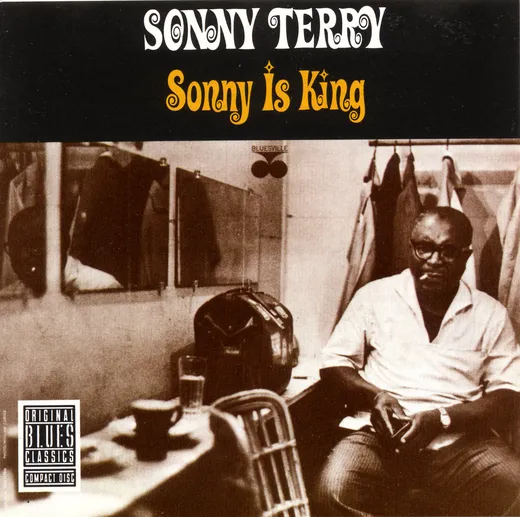
Sonny Is King
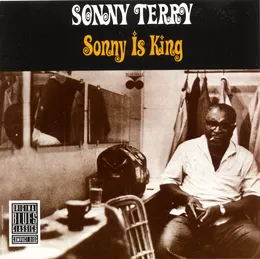
-
1967
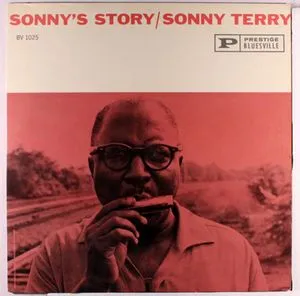
Sonny's Story
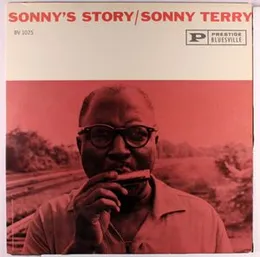
-
1984
Whoopin'


Live, Kompilationen & Demos 17
Why'd You Do It (mono version)
1960 · Sonstiges
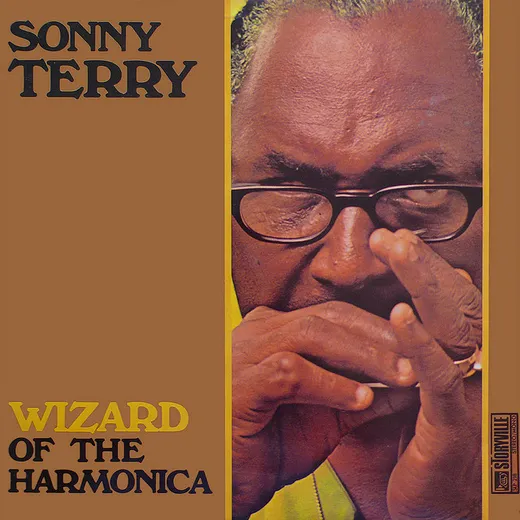
Wizard of the Harmonica
1972 · Kompilation
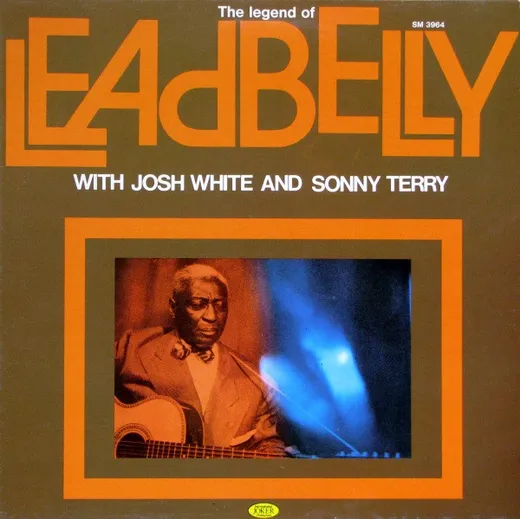
The Legend of Leadbelly
1982 · Kompilation
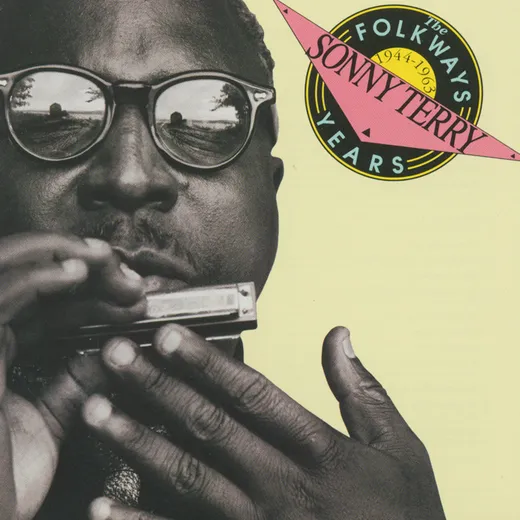
The Folkways Years, 1944-1963
1991 · Kompilation
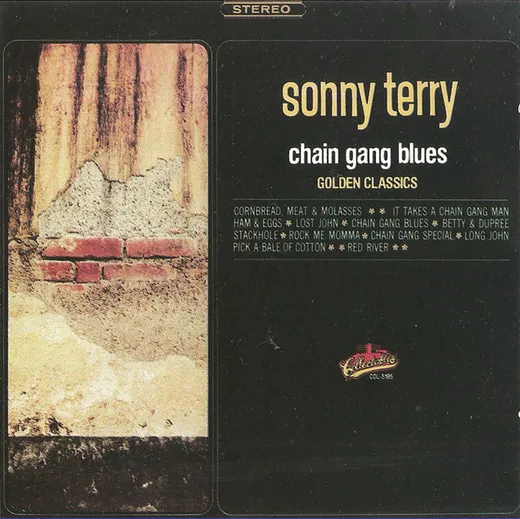
Chain Gang Blues
1992 · Kompilation
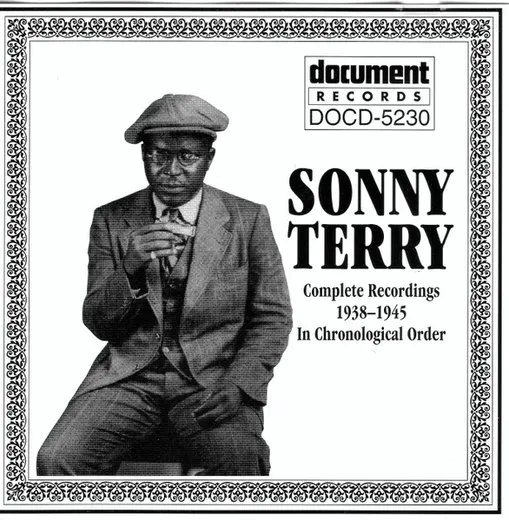
Complete Recordings 1938-1945 in Chronological Order
1994 · Kompilation
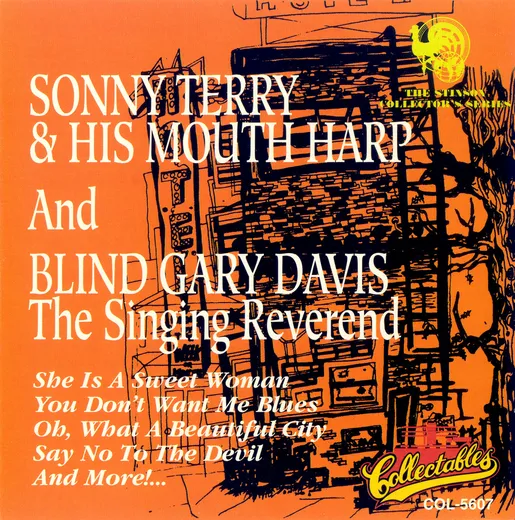
Sonny Terry & His Mouth Harp and Blind Gary Davis, The Singing Reverend (The Stinson Collectors Series)
1995 · Kompilation
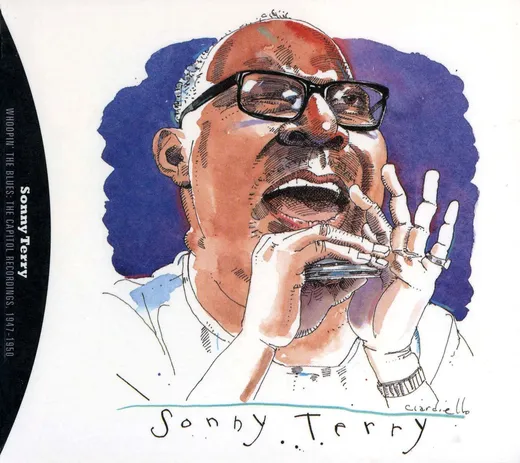
Whoopin' the Blues: The Capitol Recordings, 1947 - 1950
1995 · Kompilation
Complete Recorded Works in Chronological Order, Volume 2: 1944-1949
1999 · Kompilation
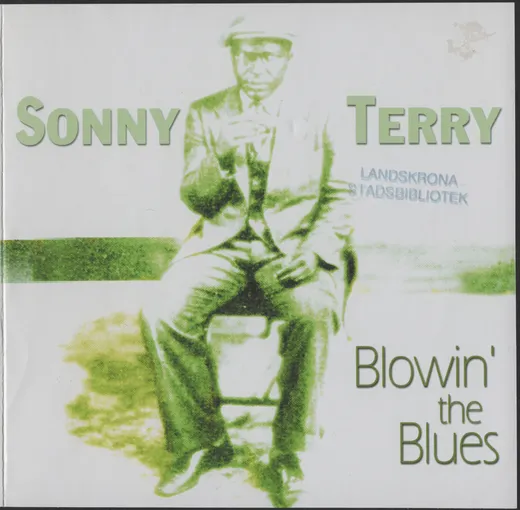
Blowin’ the Blues
2002 · Kompilation
Doggin' My Heart Around
2003 · Kompilation
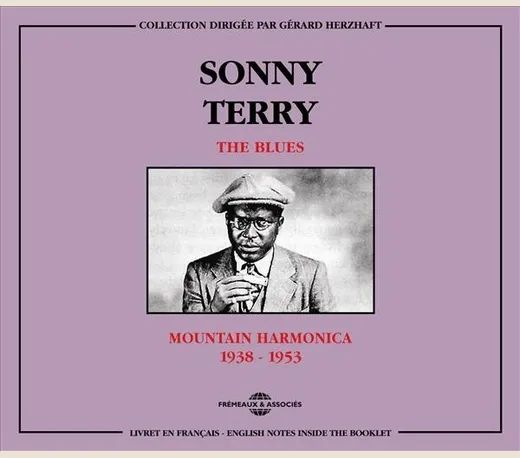
The Blues: Mountain Harmonica 1938–1953
2004 · Kompilation
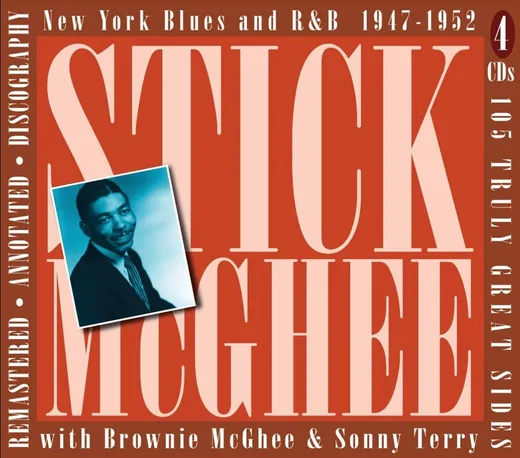
New York Blues and R&B 1947–1955
2007 · Kompilation
All Alone Blues
2009 · Sonstiges
Harmonica and Vocal Solos
o. J. · Album
Nothing but the Blues - Sonny Terry
o. J. · Sonstiges
When He Shines
o. J. · Sonstiges
Gezeigt wird eine Auswahl von 25 Veröffentlichungen. Vollständige Diskografie bei MusicBrainz
Beschreibung
Saunders Terrell, better known as Sonny Terry (October 24, 1911-March 11, 1986), was a blues musician. He was born in Greensboro, North Carolina on October 24, 1911, and died on March 11, 1986 in Mineola, New York. He was most widely known for his energetic blues harmonica style which frequently included vocal whoops and hollers, and imitations of trains and fox hunts.
His father, a farmer, taught him to play basic blues harp as a youth. He sustained injuries to his eyes at a young age which eventually prevented him from doing farm work himself. In order to earn a living Sonny was now forced to play music. He began playing in Shelby, North Carolina. After his father died he began playing with Piedmont-style guitarist Blind Boy Fuller. When Fuller died, he established a long-standing musical relationship with Brownie McGhee, and the pair recorded numerous tracks together. The duo became well-known, even among white audiences, as they joined the growing folk movement of the 1950s and '60s. This included collaborations with Woody Guthrie and Moses Asch, producing Folkways Records (now Smithsonian/Folkways) classic recordings.
In 1938 Sonny Terry was invited to play at Carnegie Hall for the first From Spirituals To Swing concert and later that year he recorded for the Library of Congress. In 1940 Sonny Terry recorded his first commercial sides.
Despite their fame as "pure" folk artists, in the 1940s, Sonny Terry & Brownie McGhee fronted a jump band combo with honking saxophone that was variously called Brownie McGhee and his Jook House Rockers or Sonny Terry and his Buckshot Five.
Terry was also in the 1947 original cast of the Broadway musical comedy Finian's Rainbow.
Kommentare
0Bitte anmelden, um zu kommentieren.
Noch keine Kommentare – sei die/der Erste, die/der etwas zu Sonny Terry schreibt!