Diskografie
-
1960
Bartók: Music for Strings, Percussion and Celeste / Martin: Petite Symphonie Concertante
-
1966
Varèse: Arcana / Martin: Concerto for Seven Wind Instruments, Timpani, Percussion and String Orchestra
-
1971
Piano Concerto no. 2 / Violin Concerto

-
1988
Der Cornet

-
1988
Martin: Messe für Doppelchor / Pizzetti: Messa di Requiem
-
1989
Requiem


-
1990
Frank Martin dirge Frank Martin: Petite Symphonie concertante (1944/1945) / Maria Triptychon (1968) / Passacaille pour grand orchestre (1962)
-
1990
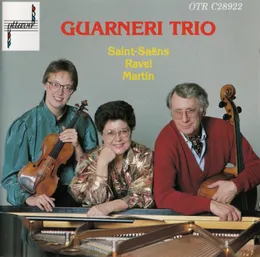
Saint-Saëns / Ravel / Martin
-
1990
Sonatas and Ballade for Cello and Piano
-
1991
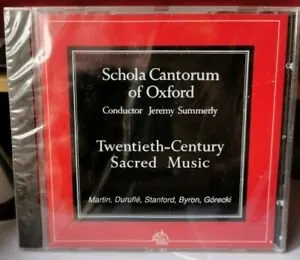
20th Century Sacred Music
-
1991
Martin: Messe / Reger: 8 Geistliche Gesänge

-
1991
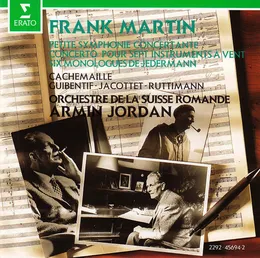
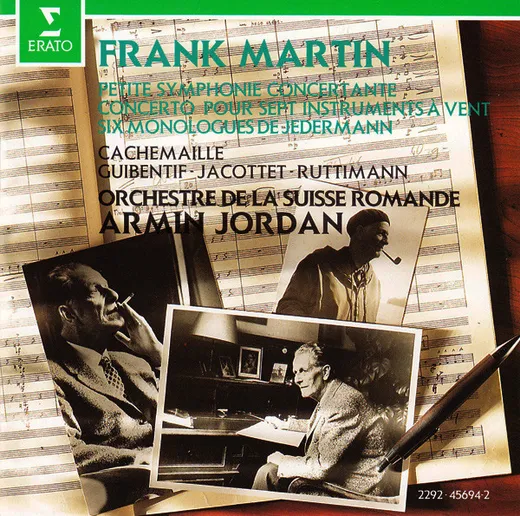
Petite symphonie concertante / Concerto pour sept instruments à vent / Six monologues de Jedermann
-
1992
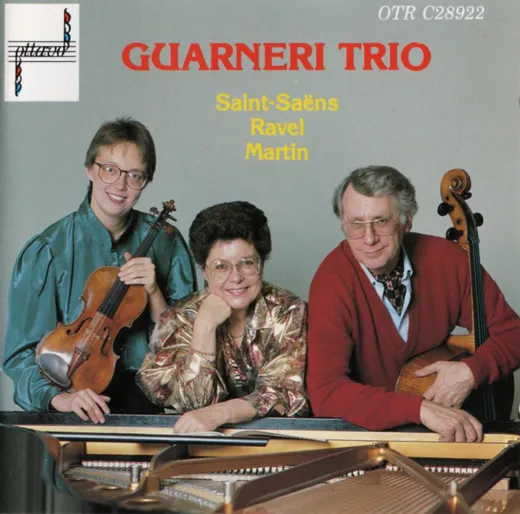
Frank Martin: Kompositionen

-
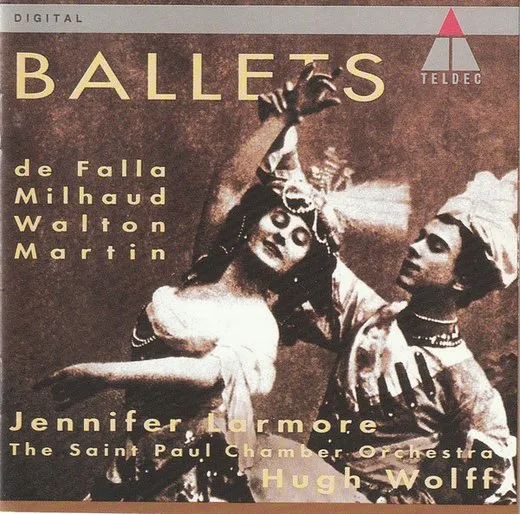
1994
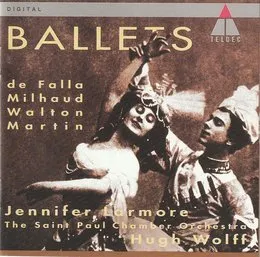
Ballets
-
1994
Howells: Requiem / Take Him, Earth, for Cherishing / Martin: Mass
-
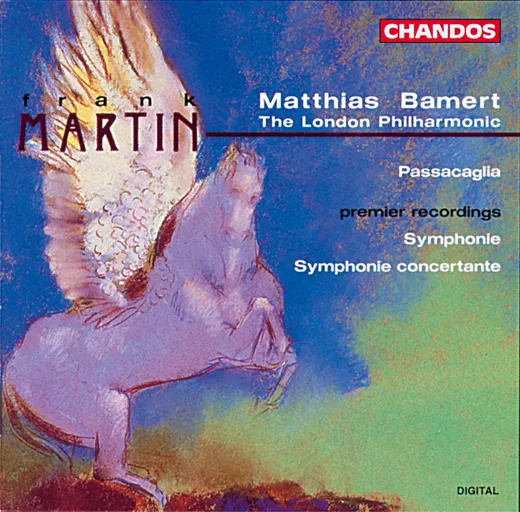
1994
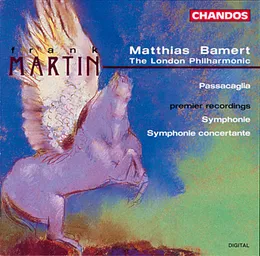
Passacaglia / Symphonie / Symphonie Concertante
-
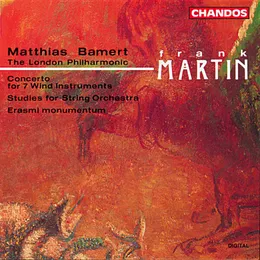
1994
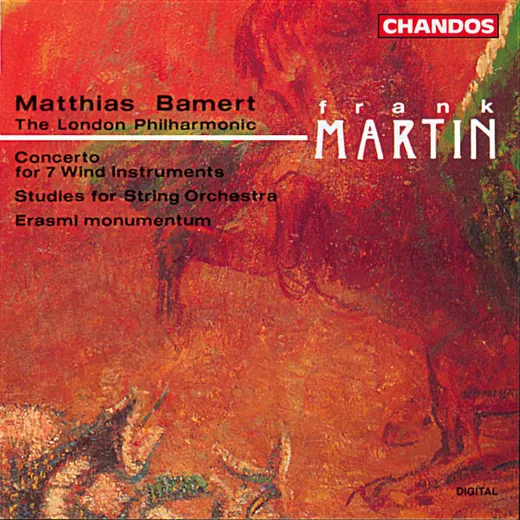
Concerto for 7 Wind Instruments / Studies for String Orchestra / Erasmi monumentum
-
1995
Bach Transcriptions for Guitar and Works by Frank Martin and Leo Brouwer
-
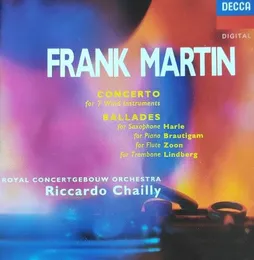
1995
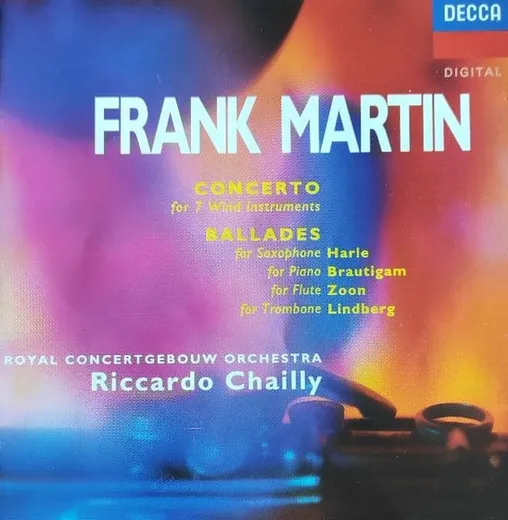
Concerto for 7 wind instruments / Ballades
-
1995
Die Weise von Liebe und Tod des Cornets Christoph Rilke
-
1995
Faure: Pavanne / Martin: Mass for Double Choir / Britten: A Boy Was Born / Duparc: Motet

-
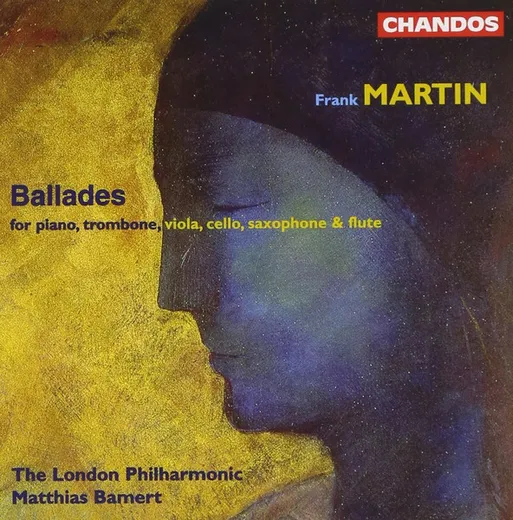
1995
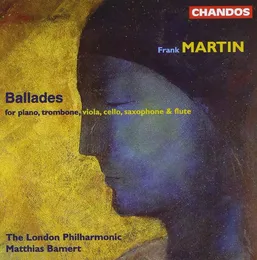
Ballades
-
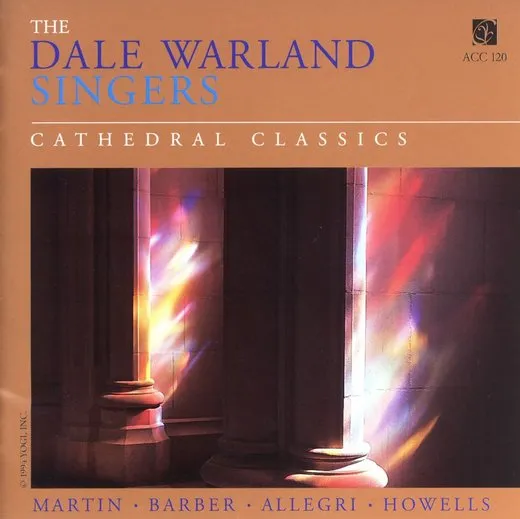
1995
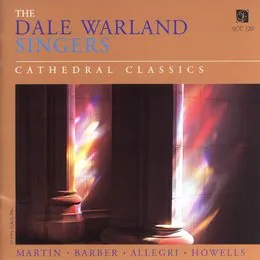
Cathedral Classics
-
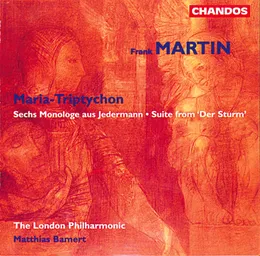
1995
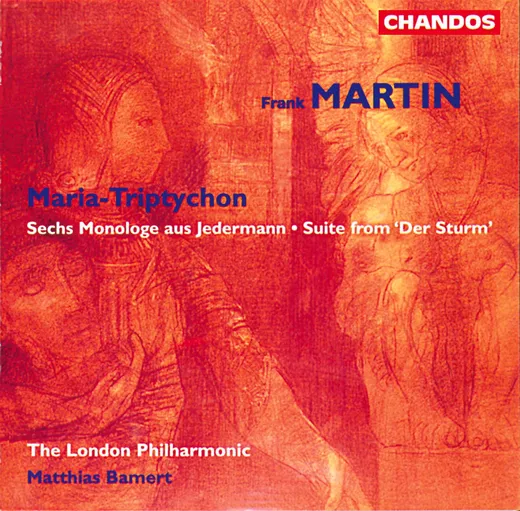
Maria-Triptychon / Sechs Monologe aus Jedermann / Suite from "Der Sturm"
-
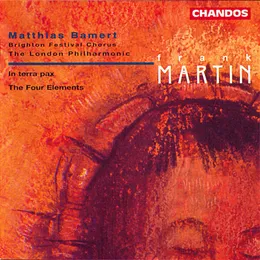
1996
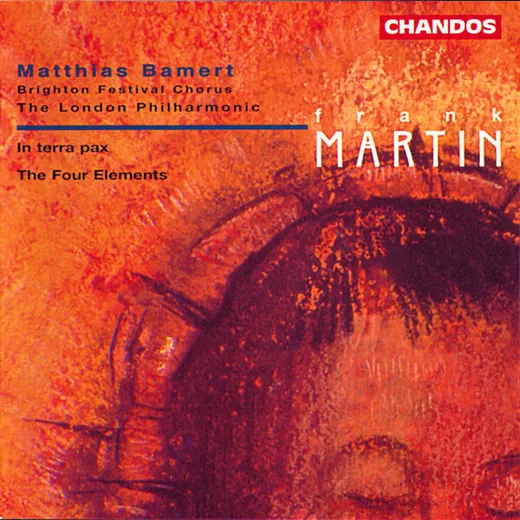
In terra pax / The Four Elements

Gezeigt wird eine Auswahl von 25 Veröffentlichungen. Vollständige Diskografie bei MusicBrainz
Beschreibung
Frank Martin (15 September 1890 – 21 November 1974) was a Swiss composer, who lived a large part of his life in the Netherlands.
He was born in Geneva, the tenth and last child of Charles Martin, a pastor. Before he started school, he was already playing the piano and improvising. At nine, he was composing complete, fully formed songs, without having had any instruction in song forms or harmony. A performance of Bach's St. Matthew Passion which he heard at the age of twelve left upon him an ineradicable impression, and Bach became his true master.
He studied mathematics and physics at the University of Geneva for two years, working on composition and studying piano with Joseph Lauber on the side. From 1918 to 1926, he lived in Zürich, Rome, and Paris. The compositions of this period show him searching for his own musical language.
In 1926, he founded the Société de Musique de Chambre de Genève, which he directed as pianist and harpsichordist for ten years. During this time, he also taught theory and improvisation at the Jaques-Dalcroze Institute and chamber music at the Geneva Conservatoire.
He was director of the Technicum Moderne de Musique from 1933 to 1940 and president of the Association of Swiss Musicians from 1942 to 1946.
He moved to the Netherlands in 1946 to find more time for his composing than he could obtain while in Switzerland, where he was involved in too many other activities. For ten years he lived in Amsterdam, and finally settled in Naarden.
From 1950 to 1957, he taught composition at the Staatliche Hochschule für Musik in Cologne. After 1957, he retired from teaching and concentrated on his composition; for the rest of his life he confined his public performing appearances to occasional chamber music tours and conducting his own works. Having kept up his high pianistic standards, he made a few studio recordings in his old age.
Kommentare
0Bitte anmelden, um zu kommentieren.
Noch keine Kommentare – sei die/der Erste, die/der etwas zu Frank Martin schreibt!