Diskografie
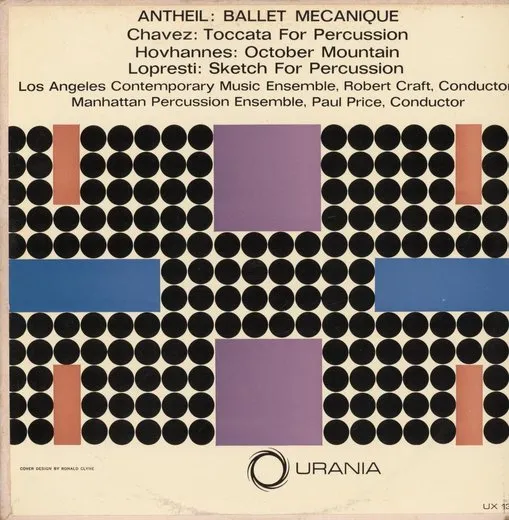
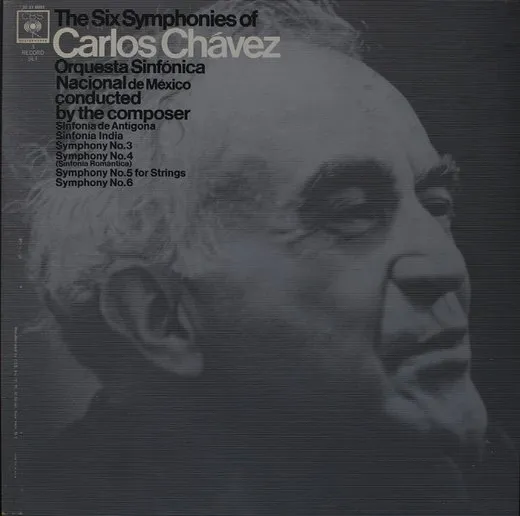
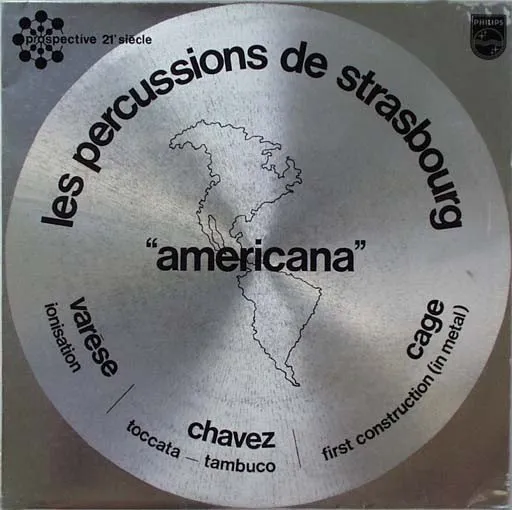
-
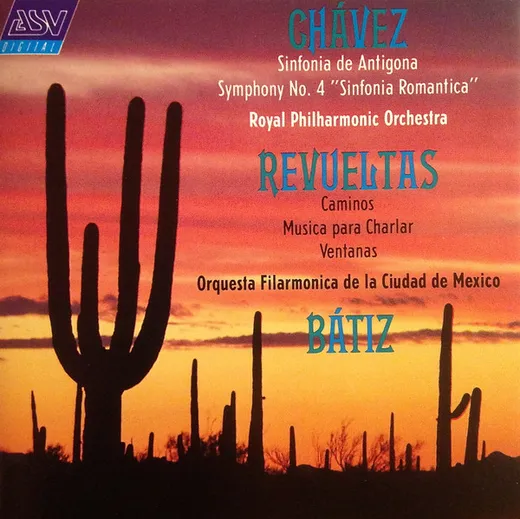
1989
Chávez: Sinfonia de Antigona / Symphony no. 4 "Sinfonia Romantica" / Revueltas: Caminos / Musica para Charlar / Ventanas
-
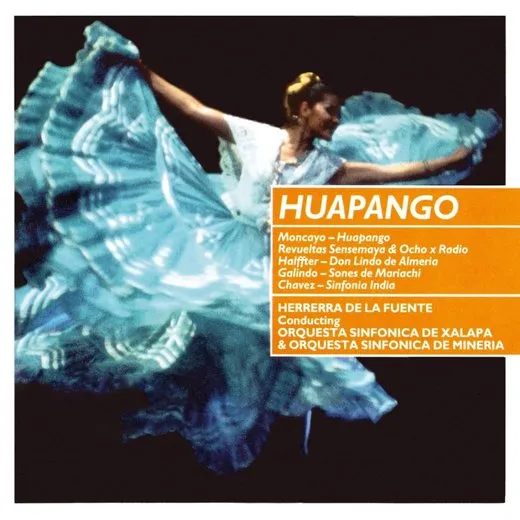
1989
Huapango
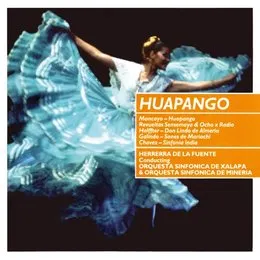
-
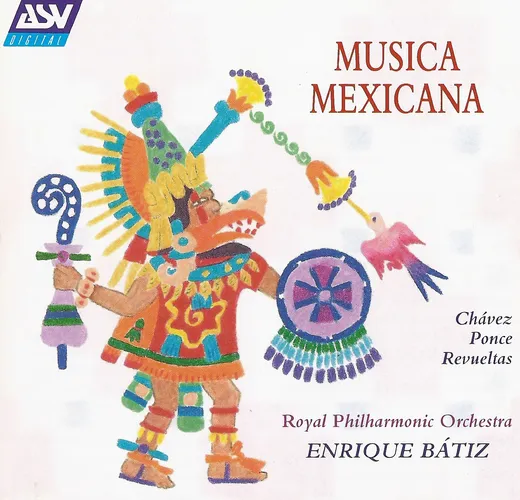
1990
Música mexicana
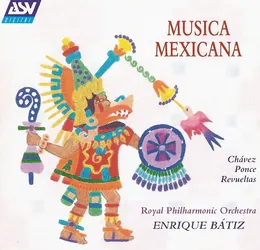
-
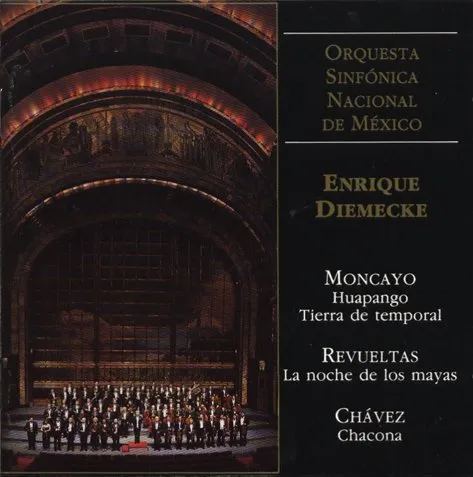
1993
Moncayo: Huapango / Tierra de temporal / Revueltas: La noche de los mayas / Chávez: Chacona
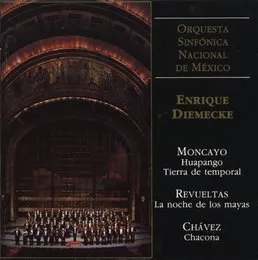
-
1993
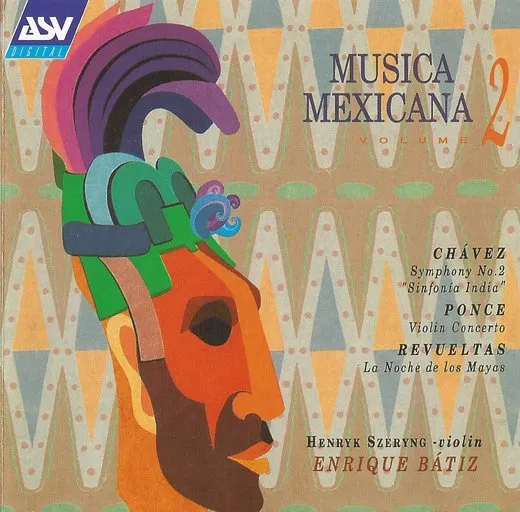
Música mexicana, volumen 2
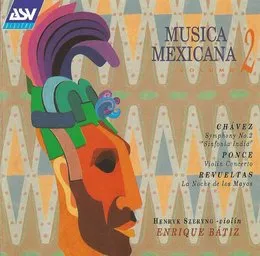
-
1994
Nacionalismo musical mexicano

-
1995
Música mexicana, Volume 7



-
1996
Sinfonía india / Sinfonía de Antígona / Sinfonía romántica
-
1998
Orbón: Tres versiones sinfónicas / Villa-Lobos: Bachiana Brasileira no. 2 / Estévez: Mediodía en el llano / Chávez: Sinfonía india

-
1999
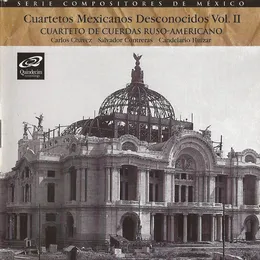
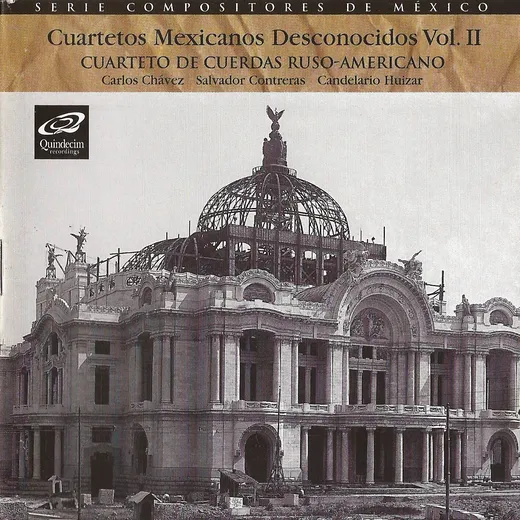
Cuartetos mexicanos desconocidos, vol. II
-
2000
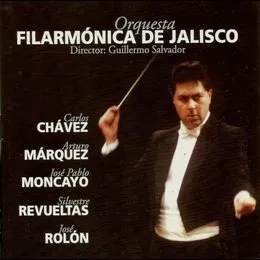
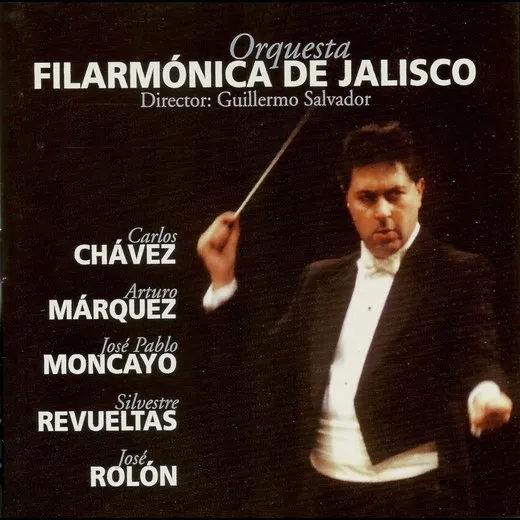
Chávez, Márquez, Moncayo, Revueltas y Rolón
-
2002
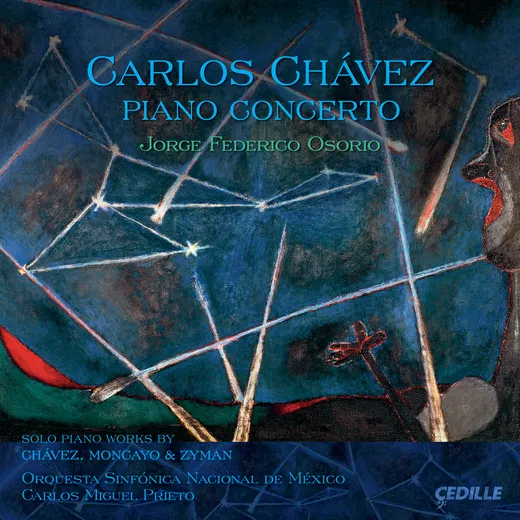
Concierto para violín / Concierto para piano
-
2003
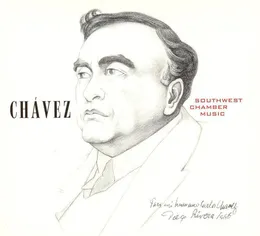
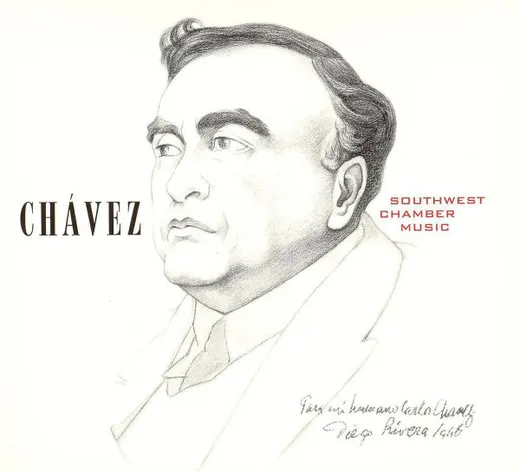
Complete Chamber Works of Carlos Chavez, Vol. 1
-
2004
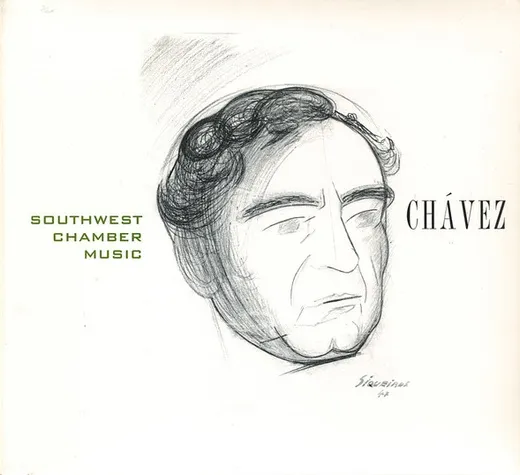
Complete Chamber Works of Carlos Chávez, Volume 2



Gezeigt wird eine Auswahl von 25 Veröffentlichungen. Vollständige Diskografie bei MusicBrainz
Beschreibung
Carlos Antonio de Padua Chávez y Ramírez (June 13, 1899 – August 2, 1978) was a Mexican composer, conductor, teacher, journalist, and the founder and director of the Mexico Symphony Orchestra. He was influenced by native Mexican cultures. Of his six Symphonies, his Symphony No. 2, which uses native Yaqui percussion instruments, is probably the most popular.
His paternal grandfather José María Chávez, governor of Aguascalientes, Mexico, was ordered executed by Emperor Maximilian in 1864. His father, Augustín Chávez, invented a plough that was produced and used in the United States. He died when Carlos was barely three years old. Carlos had his first piano lessons from his brother Manuel, and later on he was taught by Asunción Parra, Manuel Ponce and Pedro Luis Ozagón, for piano, and later Juan Fuentes for harmony. His family often went on vacations to Tlaxcala, Michoacán, Guanajuato, Oaxaca and other places where the cultural influence of the Aztec aboriginals was still very strong.
In 1916, Chávez and friends started a cultural journal, Gladios, and this led to Chávez joining the staff of Mexico City's newspaper El Universal in 1924.
After the Mexican Revolution and the installation of a democratically elected president, Álvaro Obregón, Chávez became one of the first exponents of Mexican nationalist music with ballets on Aztec themes.
In 1922, Chávez married Otilia Ortiz and they went on honeymoon to Europe, where he met Paul Dukas. After Europe, the couple vacationed in America, to which Chávez returned in 1926 and stayed in New York until 1928. Upon his return to Mexico, Chávez he became director of the Orquesta Sinfónica Mexicana (later renamed Orquesta Sinfónica de Mexico), Mexico's first permanent orchestra, started by a musicians' labor union. Chávez was instrumental in taking the orchestra on tour to Mexico's rural areas.
In 1928, Chávez was appointed director of the Conservatorio Nacional de Música, a position he held for six years. In that capacity, Chávez spearheaded projects to collect aboriginal folk music.
After Arturo Toscanini left the NBC Radio Symphony Orchestra in 1938, Chávez conducted a series of concerts with that orchestra. In 1940 he produced concerts at New York's Museum of Modern Art.
From 1947 to 1952, Chávez was director general of the Instituto Nacional de Bellas Artes. In 1947, he formed the Orquesta Sinfónica Nacional, which supplanted the older OSM as Mexico's premier orchestra and led to the disbanding of the older ensemble. Throughout all this time, Chávez maintained a busy international touring schedule. He died in quietly while visiting his daughter outside of Mexico City.
Kommentare
0Bitte anmelden, um zu kommentieren.
Noch keine Kommentare – sei die/der Erste, die/der etwas zu Carlos Chávez schreibt!