Beschreibung
Alfred Schnittke (Russian: Альфред Гарриевич Шнитке; 1934 - August 3, 1998) was a Russian composer of the Soviet and post-Soviet era. Schnittke's early music shows the strong influence of Dmitri Shostakovich. He developed a polystylistic technique in works such as the epic First Symphony (1969–1972) and First Concerto Grosso (1977). In the 1980s, Schnittke's music began to become more widely known abroad. In the 1980s, he wrote his Second (1980) and Third (1983) String Quartets and the String Trio (1985); the ballet Peer Gynt (1985–1987); the Third (1981), Fourth (1984) and Fifth (1988) Symphonies; and the Viola (1985) and 1st Cello (1985–1986) Concertos. As his health deteriorated, Schnittke's music started to abandon much of the extroversion of his polystylism and retreated into a more withdrawn, bleak style.
Schnittke's father was born in Frankfurt to a Jewish family of Russian origin. He moved to the USSR early in his life. His mother was a Volga German born in Russia.
Alfred Schnittke was born in Engels in the Volga-German Republic of the RSFSR, Soviet Union. He began his musical education in 1946 in Vienna where his father, a journalist and translator, had been posted. It was in Vienna, Schnittke's biographer Alexander Ivashkin writes, where "he fell in love with music which is part of life, part of history and culture, part of the past which is still alive.". "I felt every moment there," the composer wrote, "to be a link of the historical chain: all was multi-dimensional; the past represented a world of ever-present ghosts, and I was not a barbarian without any connections, but the conscious bearer of the task in my life." Schnittke's experience in Vienna "gave him a certain spiritual experience and discipline for his future professional activities. It was Mozart and Schubert, not Tchaikovsky and Rachmaninoff, whom he kept in mind as a reference point in terms of taste, manner and style. This reference point was essentially Classical ... but never too blatant."
In 1948, the family moved to Moscow. He completed his graduate work in composition at the Moscow Conservatory in 1961 and taught there from 1962 to 1972. Evgeny Golubev was one of his composition teachers. Thereafter, he supported himself mainly by composing film scores and composed nearly 70 scores in 30 years. Schnittke converted to Christianity and possessed deeply held mystic beliefs which influenced his music.
Schnittke was often the target of the Soviet bureaucracy. His First Symphony was effectively banned by the Composers' Union, and after he abstained from a Composers' Union vote in 1980, he was banned from travelling outside of the USSR. In 1985, Schnittke suffered a stroke which left him in a coma. He was declared clinically dead on several occasions, but recovered and continued to compose. In 1990, Schnittke left Russia and settled in Hamburg. His health remained poor, however, and he suffered several more strokes before his death on August 3, 1998 in Hamburg. He was buried, with state honors, at the Novodevichy Cemetery in Moscow in which lie many other famous Russian composers, including Shostakovich.
Alben
Сказка Странствий (Музыка Из Кинофильмов)
2004
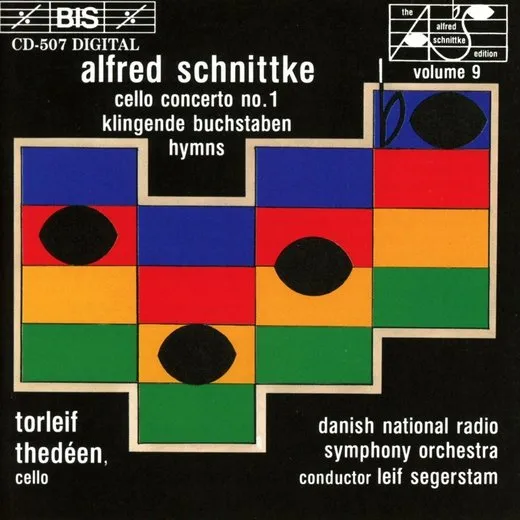
The Alfred Schnittke Edition, Volume 9: Cello Concerto no. 1 / Klingende Buchstaben / Hymns
1990-12

The Alfred Schnittke Edition, Volume 7: Violin Concertos no. 1 & no. 2
1990-11-30
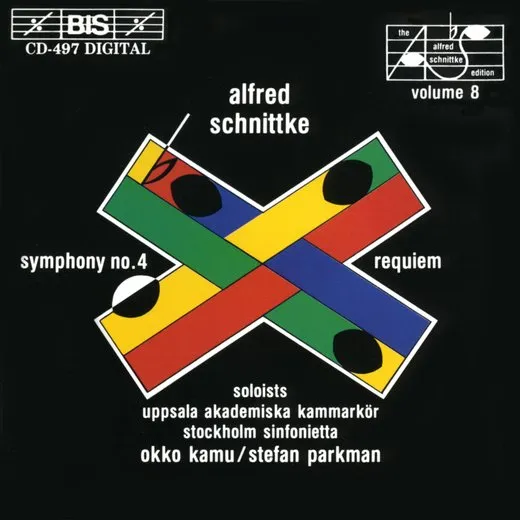
The Alfred Schnittke Edition, Volume 8: Symphony no. 4 / Requiem
1990-10
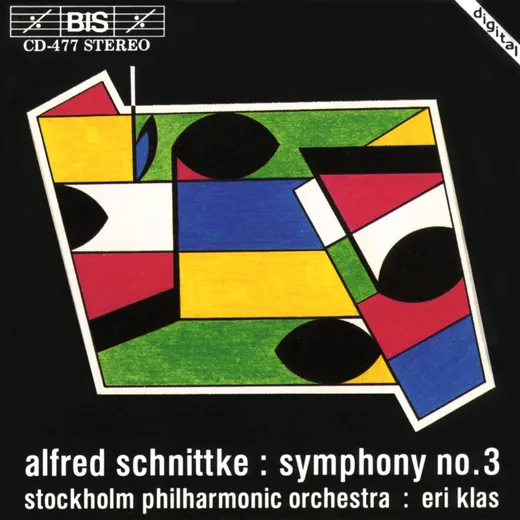
Symphony no. 3
1990-02-28
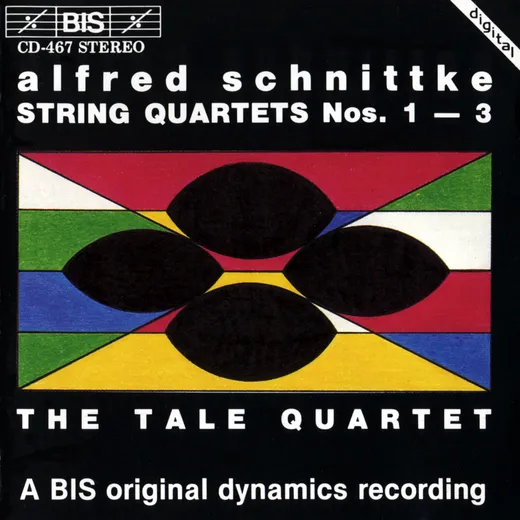
String Quartets nos. 1–3
1990-02
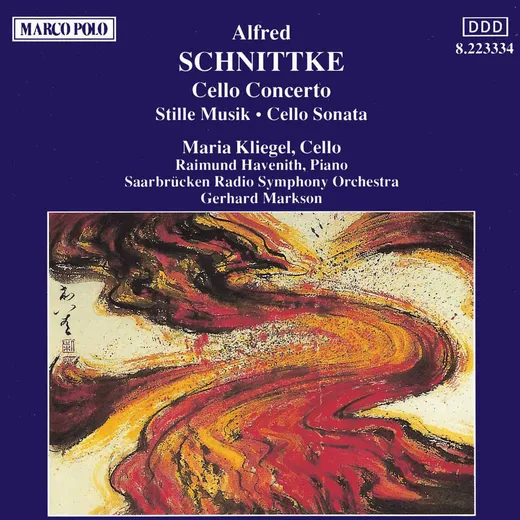
Cello Concerto / Stille musik / Cello Sonata
1990
Concerto for Choir / Two Small Pieces for Organ
1990

Concerto Grosso no. 1 / Concerto for Cello and Orchestra
1990
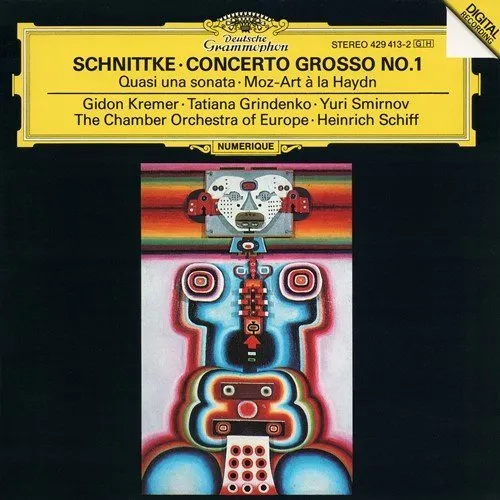
Concerto grosso no. 1 / Quasi una sonata / Moz-Art à la Haydn
1990
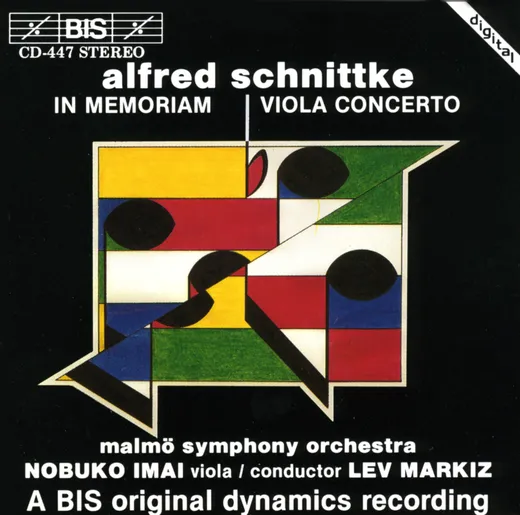
In Memoriam / Viola Concerto
1989-10
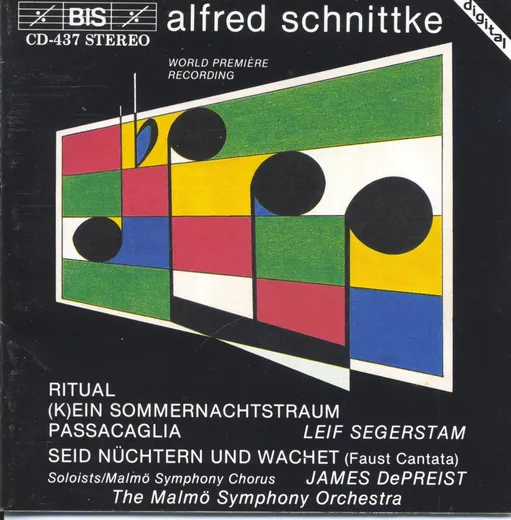
Ritual / (K)ein Sommernachtstraum / Passacaglia / Seid nüchtern und wachet (Faust Cantata)
1989-04
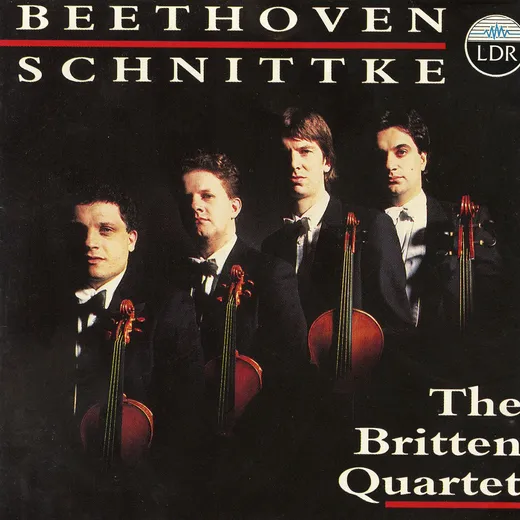
Beethoven / Schnittke
1989
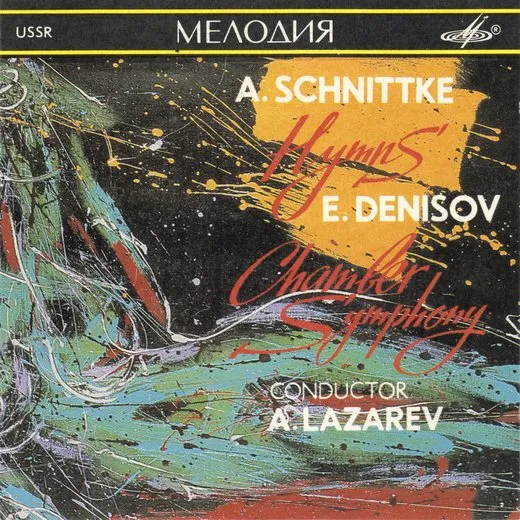
Hymns / Chamber Symphony
1989
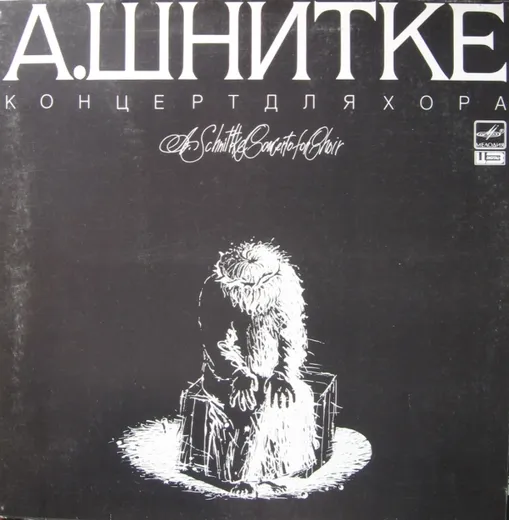
Концерт для хора
1989
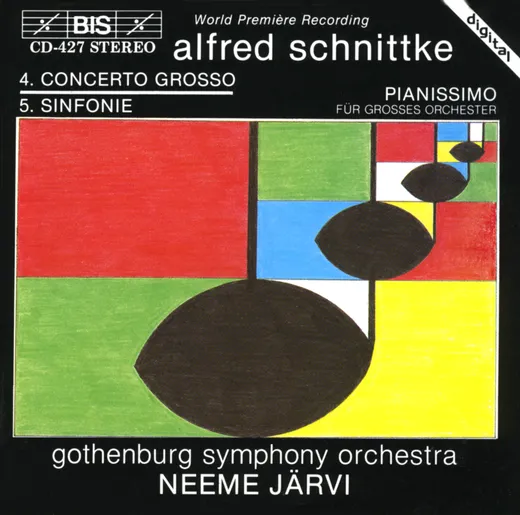
Concerto grosso no. 4 (Symphony no. 5) / Pianissimo
1988-01
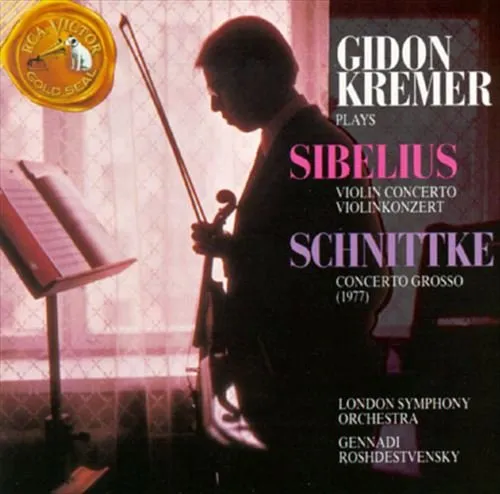
Sibelius: Violinkonzert / Schnittke: Concerto Grosso
1987-07-21
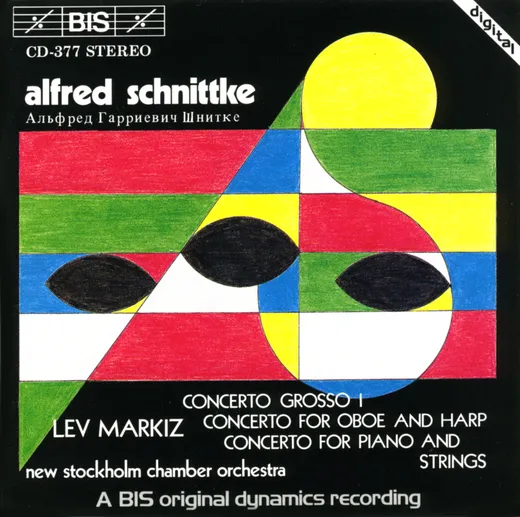
Concerto Grosso I / Concerto for Oboe and Harp / Concerto for Piano and Strings
1987
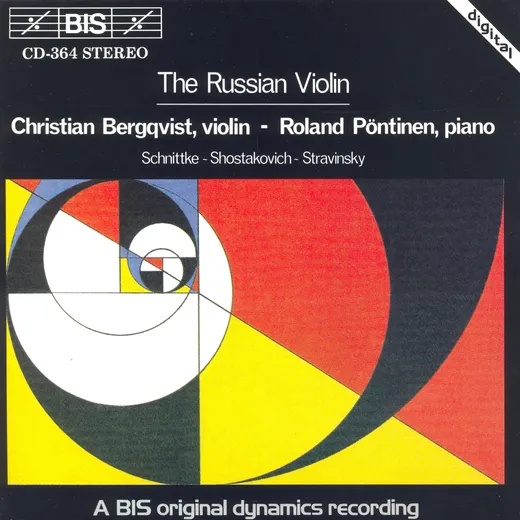
The Russian Violin
1987
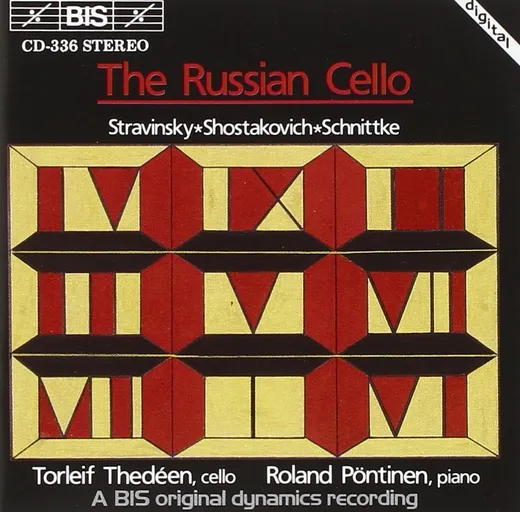
The Russian Cello
1986-01
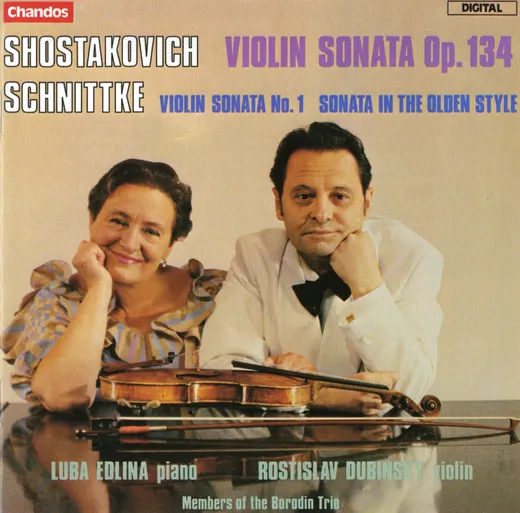
Shostakovich: Violin Sonata, op. 134 / Schnittke: Violin Sonata no. 1 / Sonata in the Olden Style
1984-11
Tabula Rasa
1984
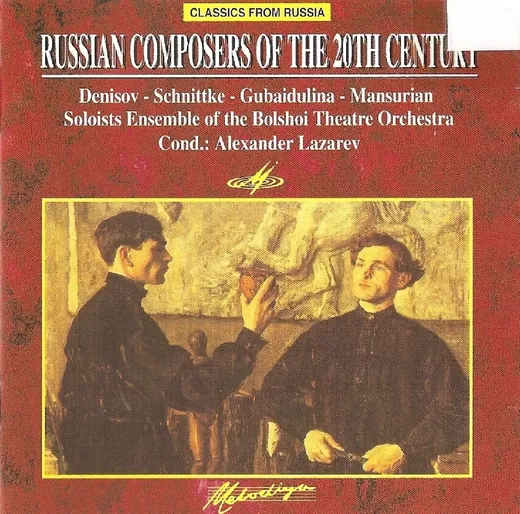
Denisov / Schnittke / Gubaidulina / Mansurian
1983
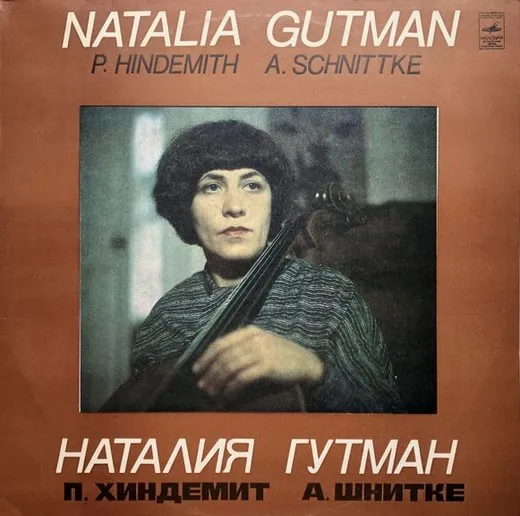
Hindemith: Three Pieces / Schnittke: Sonata for Cello and Piano
1983
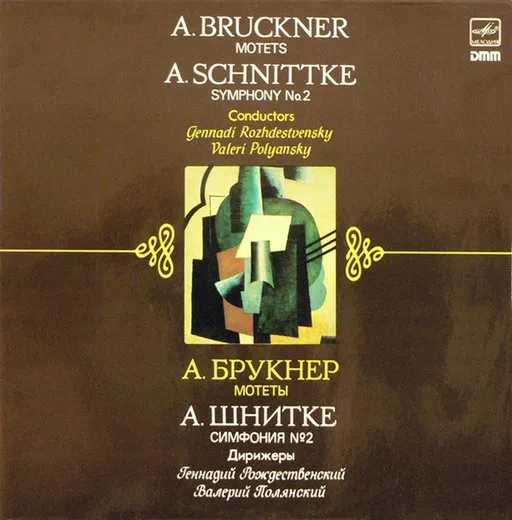
Bruckner: Motets / Schnittke: Symphony no. 2
1982
Kommentare
0Bitte anmelden, um zu kommentieren.
Noch keine Kommentare – sei die/der Erste, die/der etwas zu Альфред Гарриевич Шнитке schreibt!