Diskografie

EPs & Singles 5
Live, Kompilationen & Demos 10
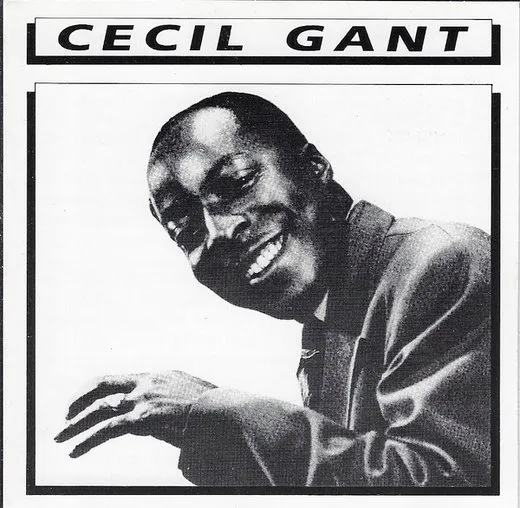
Cecil Gant
1989 · Kompilation
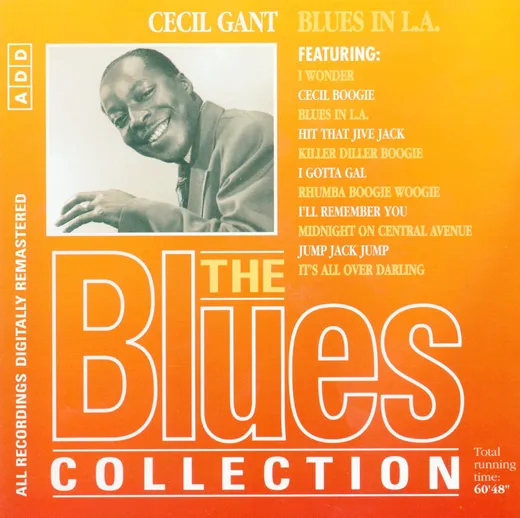
The Blues Collection: Cecil Gant, Blues in LA
1997 · Kompilation
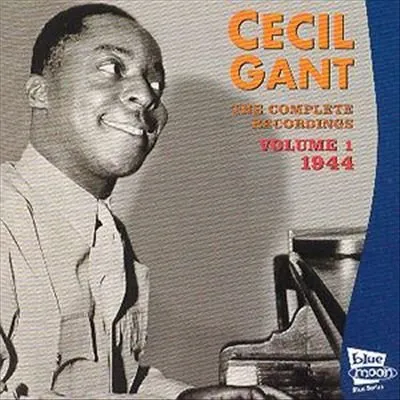
The Complete Recordings Volume 1 - 1944
2000 · Kompilation
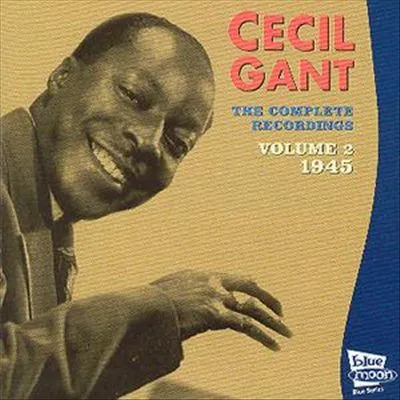
The Complete Recordings Volume 2 - 1945
2000 · Kompilation
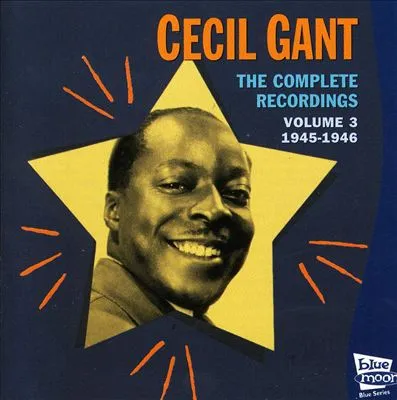
The Complete Recordings Volume 3 - 1945-1946
2002 · Kompilation
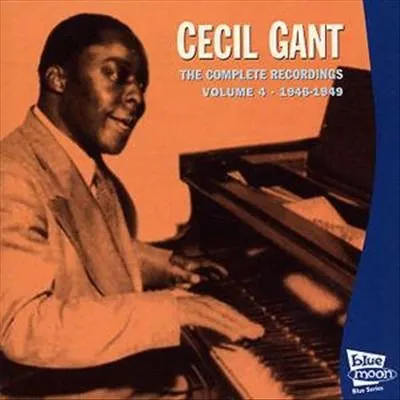
The Complete Recordings Volume 4 - 1946-1949
2003 · Kompilation

The Complete Recordings Volume 5 - 1947-1949
2005 · Kompilation
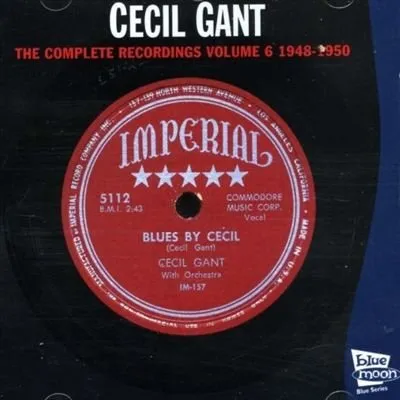
The Complete Recordings Volume 6 - 1948-1950
2006 · Kompilation
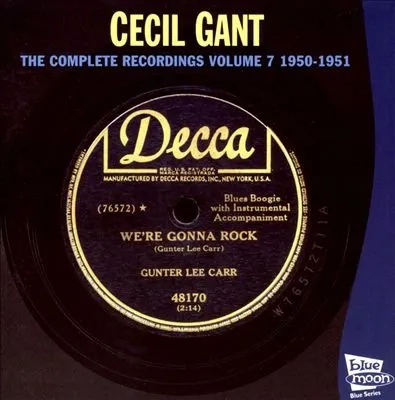
The Complete Recordings Volume 7 - 1950-1951
2006 · Kompilation
We're Gonna Rock #2
o. J. · Kompilation
Beschreibung
Cecil Gant (April 4, 1913 - February 4, 1951) was an American blues singer and pianist.
Born in Nashville, Tennessee, Gant worked local clubs through the mid 1930s up until the Second World War, when he enlisted in the United States Army. Though his piano was blues-based, vocally he was a crooner of considerable cross-over appeal. He sang at a War Bond rally in Los Angeles, California, signed with the Gilt Edge record label, and recorded the self-penned ballad "I Wonder" late in 1944, billed as "Pvt. Cecil Gant." "I Wonder" reached number one on the Billboard Harlem Hit Parade (as the R&B chart was called then) and sold impressively nationwide. Gant then went on tour billed as "The G.I. Sing-sation," dressed in Army khaki and breaking attendance records at major venues, attracting both black and white audiences. As well as singing in the dream vein of his hit, Gant could deliver a pleasant blues and energetic boogie-woogie; versatility shared by his West Coast contemporaries, Charles Brown and Ivory Joe Hunter. Gant had other releases on King Records (1947), Bullet Records (1948-49), Downbeat/Swingtime (1949), and Imperial Records (1950), but his moment of jukebox glory was gone. Some of his later recordings were rockabilly boogies utilising a Nashville studio guitarist, a few steps away from the soon-to-emerge rock and roll. However, he did not live long enough to see that new trend. Gant died from pneumonia in Nashville in 1951, at the age of 37. He is buried in Highland Park Cemetery in Cleveland, Ohio.
-------------------------------------------------------------------------------------
Certainly one of the most amazing and sometimes tragic stories in American musical history that is seldom told. Cecil Gant came out of nowhere that afternoon in 1944 in downtown Los Angeles. He was a largely unknown singer-pianist in the wartime army when the opportunity came for him to perform at a war bond rally. He made a favorable impression, enough so that he had a chance to put some tunes on record. A recording of his tune "I Wonder" was released on the small independent Gilt Edge label. He was billed as Pvt. Cecil Gant, The "GI Sing Station". What happened next was unforeseen and unprecedented. The record sold, and sold, and sold-in huge quantities. The numbers will never be known but by some estimates the amount may have reached well over a million. The story of meeting the demand is the stuff of legends. It required clandestine record pressing plants in residential neighborhoods, all manner of secret deals for the supply of shellac (a must for the production of 78 rpm records) which was subject to severe wartime restrictions, and the itinerant record sellers up and down the west coast operating from trunks of cars and roadside stands. It was the right song for the times and it captured the sentiments of a large number of the population as they could see the beginning of the end of the world war.
The impact of the success of this record was immediate and forever changed the face of American recording. It proved that an unproven Black artist, recording for a small independent record label, can return huge profits to the owners and entrepreneurs. This was the first time that this had happened and the opportunity was not lost on a number of small time record producers. The result was the establishment of the indie labels which willingly recorded this new largely unheard wealth of talent. Los Angeles was the first area, the birthplace of the R & B independents. There was Modern Music (soon to become Modern and subsidiaries RPM, Flair, and Meteor), Alladin, Specialty, Imperial, and the Black owned Excelsior. The rest of the story is well known as independents sprung up in most major cities and changed the music forever. And it all started with this one record. And Cecil Gant who was there at the beginning? The story here is anything but happy. He tried again and again to duplicate the success of I Wonder with a string of releases for Gilt Edge. Having no luck he returned to his home town of Nashville for a series of records for Bullet, again with no success. He got one more shot with a major this time- Decca for some dates in New York. Although he was on Gunter Lee Carr's historic cut of "We're Gonna Rock" he came up empty again. He finally succumbed to a combination of depression and the bottle and died in 1951 just 7 years after the release of "I Wonder". Everyone who ever had a hit for an independent label should give a word of thanks for the memory of Cecil Gant.
Kommentare
0Bitte anmelden, um zu kommentieren.
Noch keine Kommentare – sei die/der Erste, die/der etwas zu Cecil Gant schreibt!