Diskografie
-
1952
Deep People
-
1953
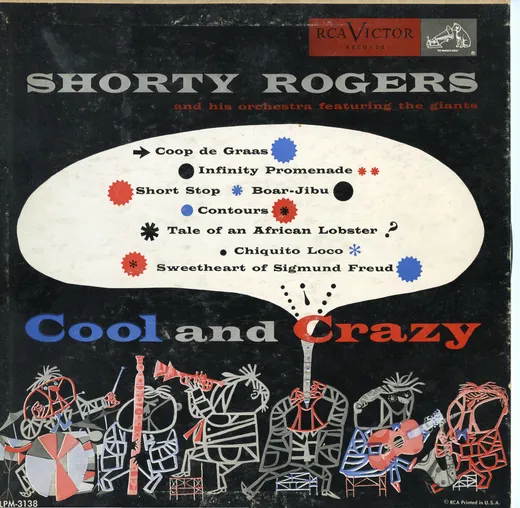
Cool and Crazy
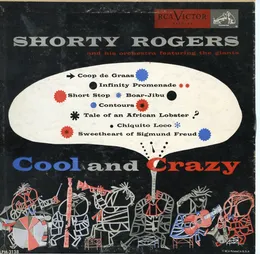
-
1954
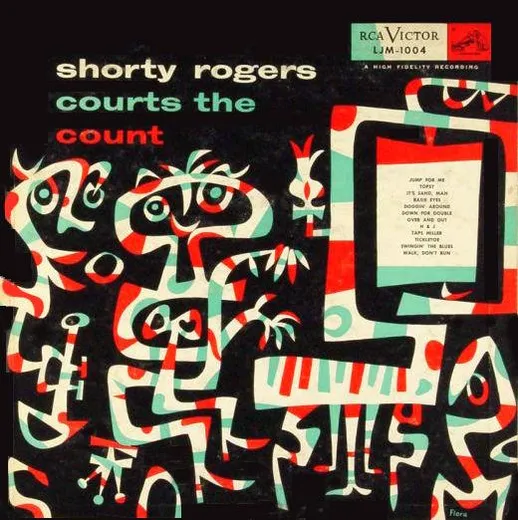
Courts the Count
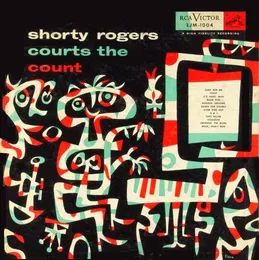
-
1955
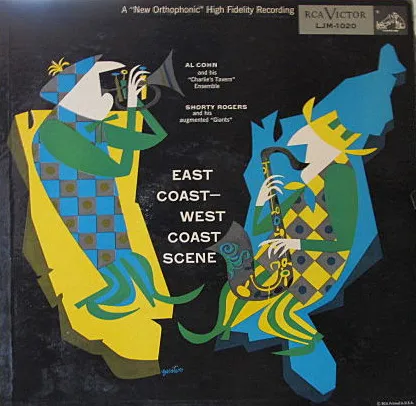
East Coast - West Coast Scene
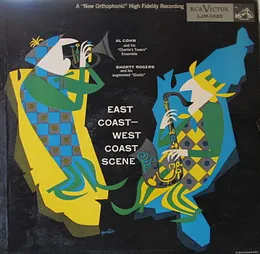
-
1955
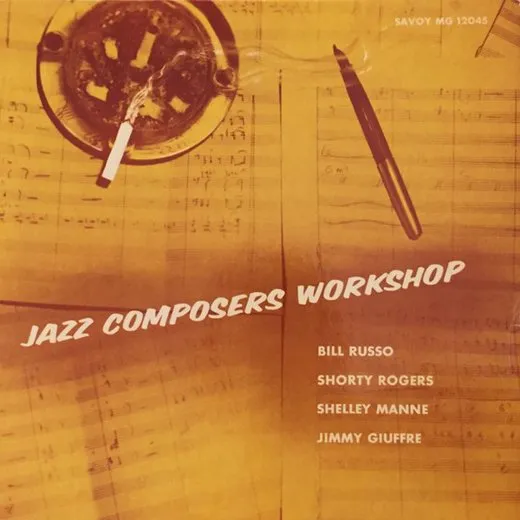
Jazz Composers Workshop
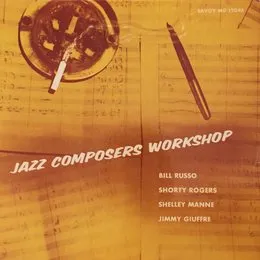
-
1955
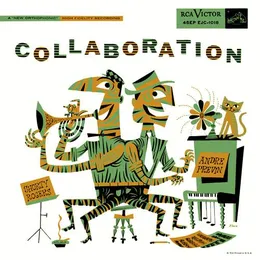
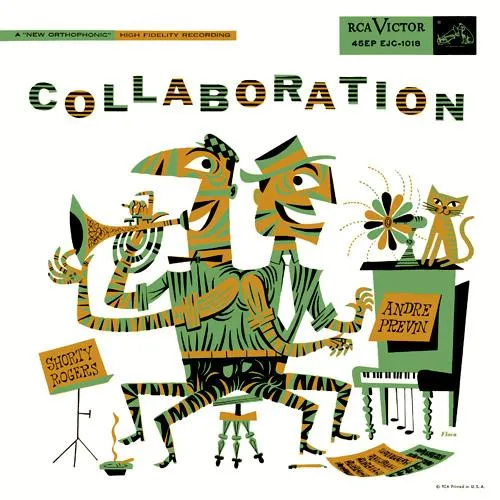
Collaboration
-
1956
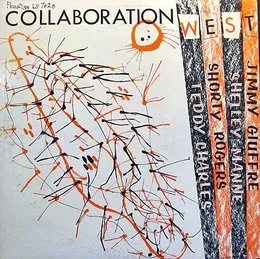
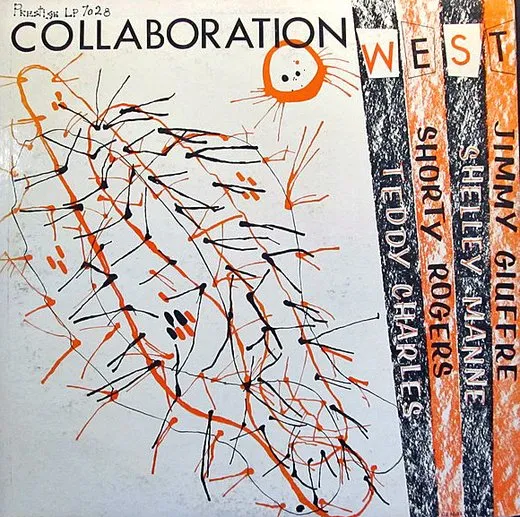
Collaboration West
-
1959
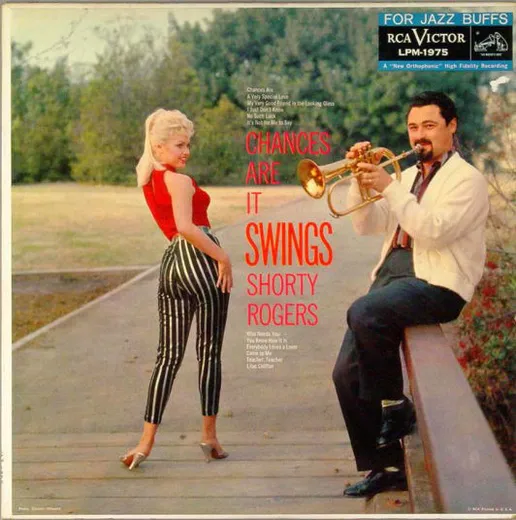
Chances Are It Swings
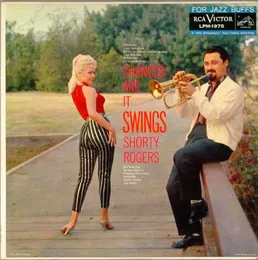
-
1959
Shorty Rogers Meets Tarzan
-
1960
The Swingin' Nutcracker
-
1983
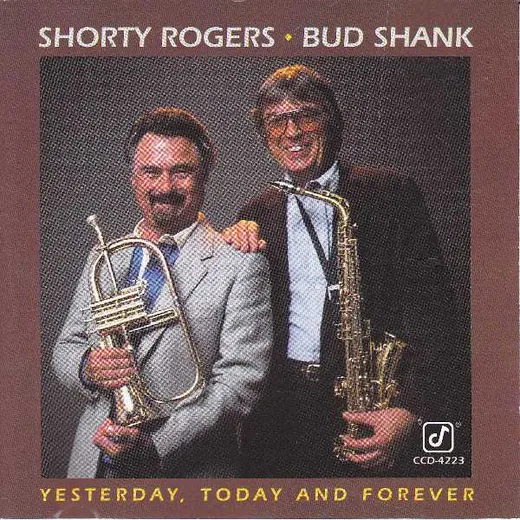
Yesterday, Today and Forever
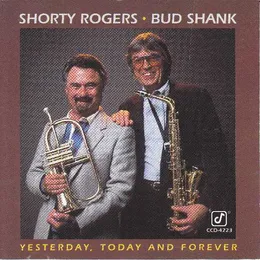
-
1984
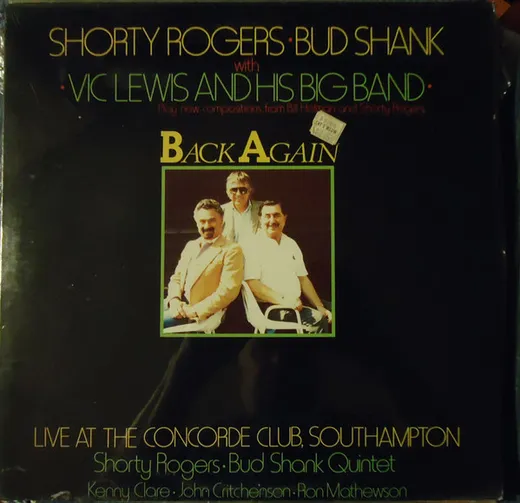
Back Again
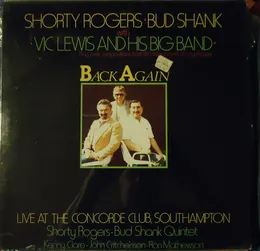
-
1988
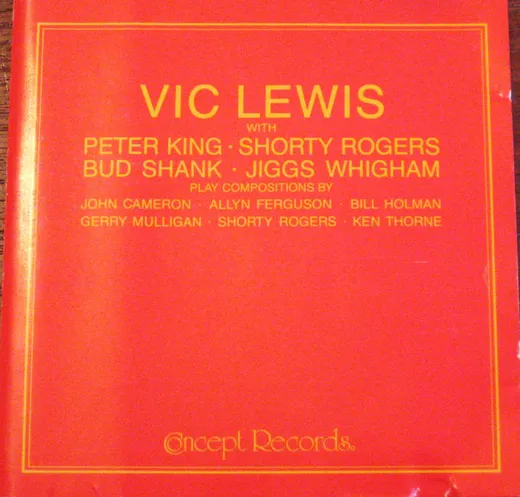
Vic Lewis Big Bands
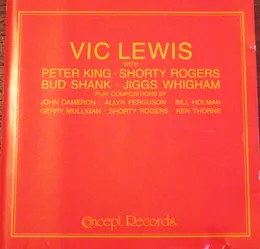
-
1991
America the Beautiful

-
1994
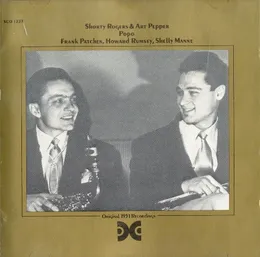
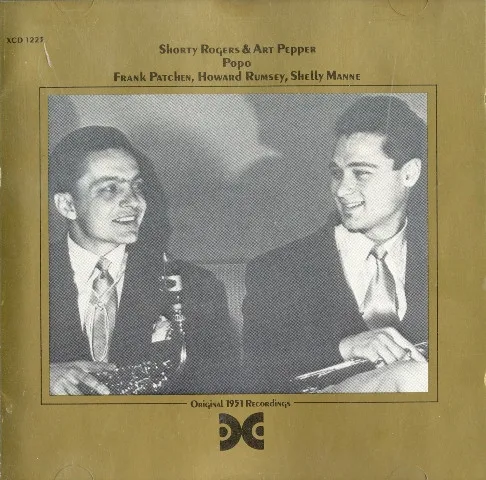
Popo
-
2005
Shorty Rogers
-
2013
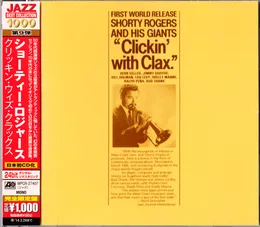
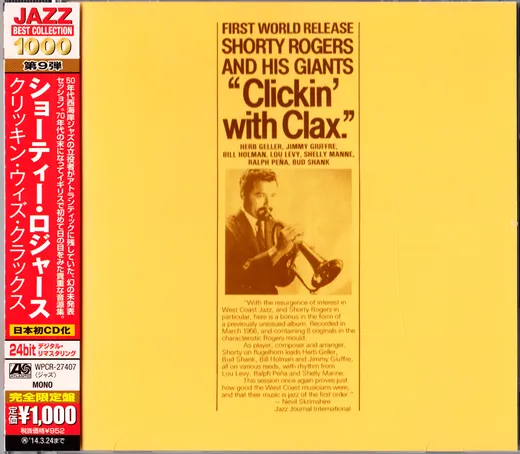
Clickin' with Clax
-
2014
Mavis Meets Shorty

-
2014
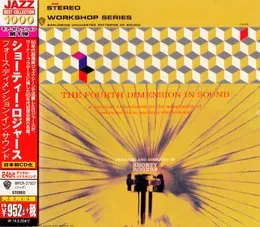
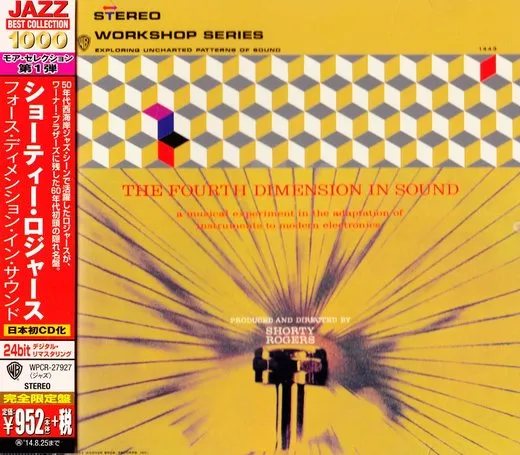
The Fourth Dimension in Sound
-
2016
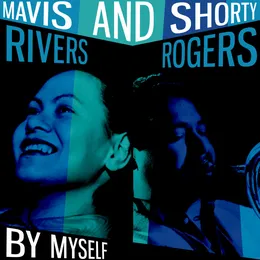
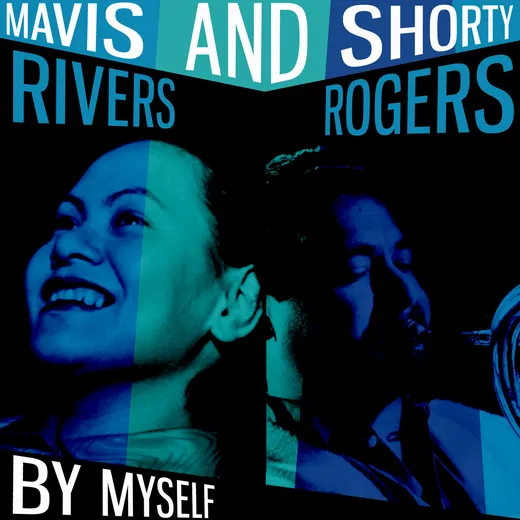
By Myself


Live, Kompilationen & Demos 5
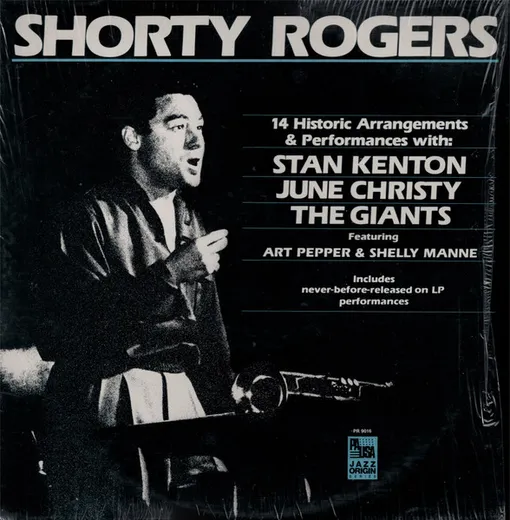
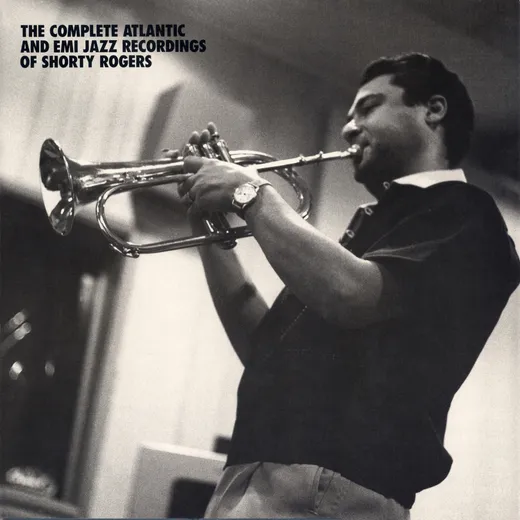
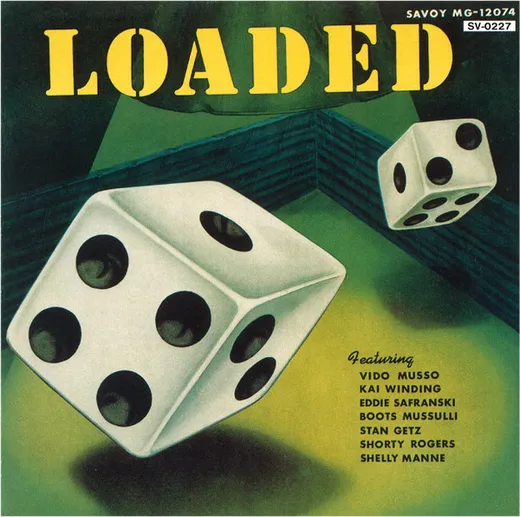
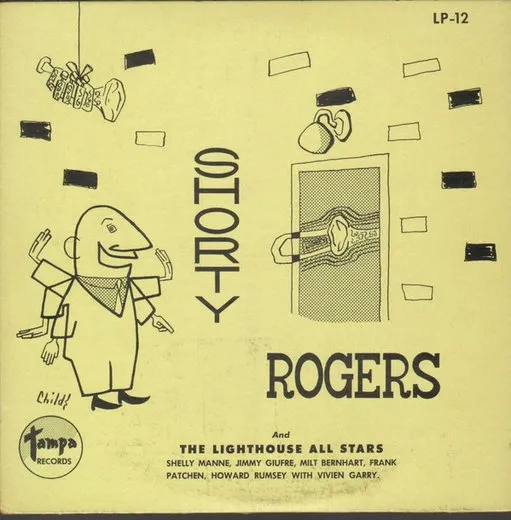
Gezeigt wird eine Auswahl von 25 Veröffentlichungen. Vollständige Diskografie bei MusicBrainz
Beschreibung
Milton “Shorty” Rogers (April 14, 1924 – November 7, 1994), born Milton Rajonsky in Great Barrington, Massachusetts, was one of the principal creators of West Coast jazz. He played both the trumpet and flugelhorn, and was in demand for his skills as an arranger.
Rogers worked first as a professional musician with Will Bradley and Red Norvo. From 1947 to 1949, he worked extensively with Woody Herman and in 1950 and 1951 he played with Stan Kenton. Rogers appeared on the 1954 Shelly Manne album The Three and the Two along with Jimmy Giuffre. Much of the music he recorded with Giuffre showed his experimental side, resulting in an early form of avant-garde jazz. He also made notable recordings with Art Pepper and Andre Previn, among others. From 1953 through 1962 Rogers recorded a series of RCA Victor albums (later reissued under the Bluebird label) and Atlantic albums with his own group, Shorty Rogers and His Giants, including Shorty Courts the Count (1954), The Swinging Mr. Rogers (1955), and Martians Come Back (1955), the album title alluding to the tune "Martians Go Home" which Rogers had composed and performed on The Swinging Mr. Rogers earlier the same year. These albums incorporated some of his more avant-garde music. To some extent they could be classified as "cool" jazz; but they also looked back to the "hot" style of Count Basie, whom Rogers always credited as a major inspiration. Credited with the composition of the music for UPA's Mr. Magoo cartoon Hotsy Footsy and the Looney Tune Three Little Bops, Rogers eventually became better known for his skills as a composer and arranger than as a trumpeter. In the 1958 Peter Gunn TV series episode The Frog Shorty plays flugelhorn as Lola Albright sings How High the Moon at Mother's. After the early 1960s Rogers stopped performing on trumpet, and left the jazz scene for many years. Among other composing and arranging activities, he arranged a series of records for The Monkees (including Daydream Believer) in the late 1960s, and in the 1970s wrote the jazzy background score to TV's The Partridge Family during the show's first season. He also contributed episode scores for the fourth season of Starsky & Hutch. Finally, in 1982, he was persuaded to pick up his trumpet and return to performing in jazz ensembles, playing first with Britain’s National Youth Jazz Orchestra and soon with Bud Shank and others. In the 1990s he was part of a Lighthouse All Stars group along with Shank, Bill Perkins, Bob Cooper, Conte Candoli, Claude Williamson, Monty Budwig, and John Guerin.
Kommentare
0Bitte anmelden, um zu kommentieren.
Noch keine Kommentare – sei die/der Erste, die/der etwas zu Shorty Rogers schreibt!