Beschreibung
Keiji Haino (灰野敬二) born 1952, May 3, in Chiba, Japan, and currently residing in Tokyo, is a Japanese avant-garde musician / shaman whose work has included rock, free jazz, noise, singer-songwriter, avant-folk, blues, solo percussion, drone and electronica, among others, always keeping the experimentalism and psychedelia at the highest levels possible.
He has been active since the 1970s and continues to record regularly and in new styles. His main instruments of choice have been guitar and vocals, with many other instruments and approaches incorporated into his career's work. Haino is known for intensely cathartic sound explorations, and much of his work bears an insular singularity, but his output has been so varied as to not always be recognizable as him.
Haino's initial artistic outlet was theatre, inspired by the radicalism of the Antonin Artaud-influenced Shuji Terayama. An epiphanic moment came when he heard "When the Music's over" and changed course towards music. After brief stints in a number of blues and experimental outfits, he formed the improvised fusion band ロスト・アラーフ (Lost Aaraaff) in 1970. In the mid 1970s, having left Lost Aaraaf, he collaborated with psychedelic multi-instrumentalist Magical Power Mako and film soundtrack composer Tōru Takemitsu (Toru Takemitsu).
His musical output throughout the late 1970s is scarcely documented, until the formation of his rock duo Fushitsusha (不失者) in 1978 (although their first LP did not surface until 1989). This outfit initially consisted of Haino on guitar and vocals, and Tamio Shiraishi on synthesizer. With the departure of Shiraishi and the addition of Jun Hamano (bass) and Shuhei Takashima (drums), Fushitsusha operated as a trio. The lineup soon changed, with Yasushi Ozawa (bass) and Jun Kosugi (drums) performing throughout the 1990s, but returned to a duo with Haino supplementing percussion with tape-loops.
Haino formed Aihiyo in 1998, principally playing a diverse range of covers (including The Rolling Stones, The Ronettes, and The Jimi Hendrix Experience), transforming the original material into Haino's unique form of garage psychedelia.
Other groups Haino has formed include Vajra (with underground folk singer Kan Mikami and drummer Toshiaki Ishizuka), Knead (with the avant-prog outfit Ruins), Sanhedolin (with Yoshida Tatsuya of Ruins and Mitsuru Nasuno of Altered States and Ground Zero) and a solo project called Nijiumu. He has also collaborated with a diverse range of artists, including Faust, Boris, Jim O'Rourke, Derek Bailey, Peter Brotzmann, Lee Konitz, Loren Mazzacane Connors, Charles Gayle, Musica Transonic and Fred Frith.
Haino cites a broad range of influences, including troubadour music, Marlene Dietrich, Iannis Xenakis, Syd Barrett, Jim Morrison and Charlie Parker. His recent foray into DJing at Tokyo nightclubs has reportedly reflected his eclectic taste. He has had a long love affair with early blues music, particularly the works of Blind Lemon Jefferson, and is heavily inspired by the Japanese musical concept of 'Ma', the silent spaces in music. He also has a keen interest in Butoh dancing and collecting ethnic instruments.
Alben
Free Rock
2002-11-25
まずは 色を無くそうか!!
2002-11-05
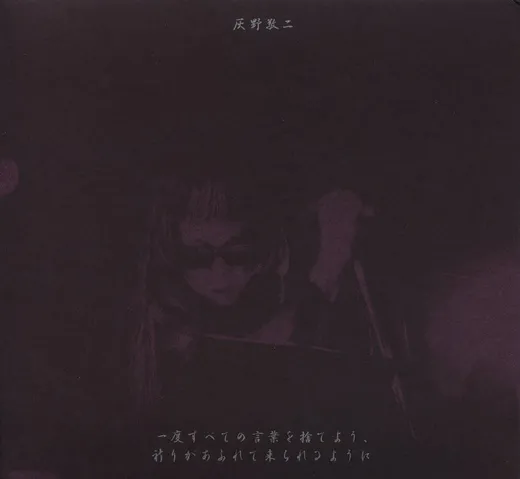
Abandon All Words at a Stroke, So That Prayer Can Come Spilling Out
2001-05
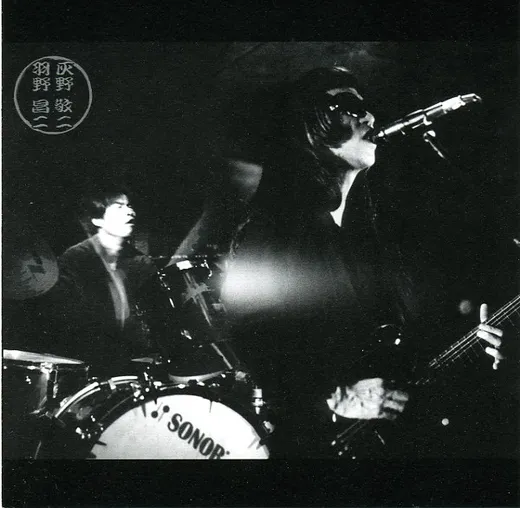
フシギナ顔
2000-09
Songs
2000
An Unclear Trial: More Than This
1998-11
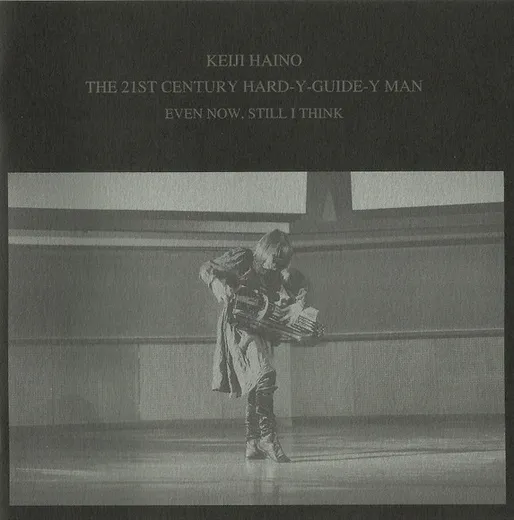
こんなになってもまだ考えている
1998-06-24

Incubation (臥床見神)
1998
息をしているまま
1997-04-21
So, Black Is Myself
1997-04-10
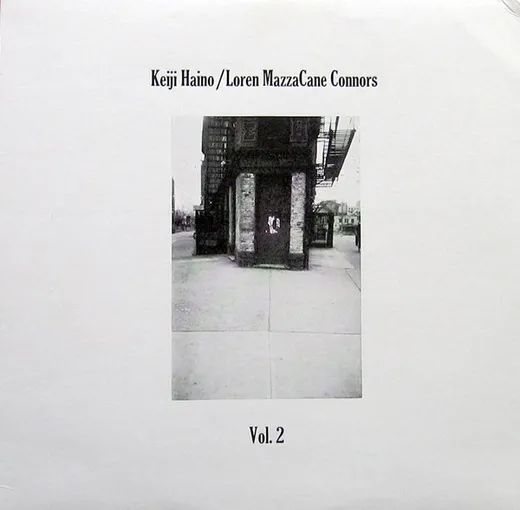
Vol. 2
1997
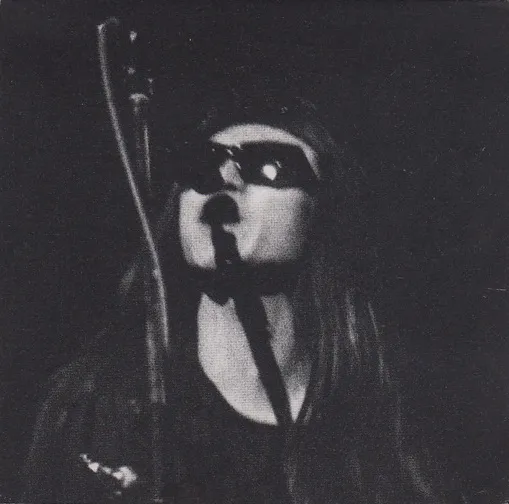
黒き祈りは在る 黒き祈りは本当に在る ほら ここに
1997
Etchings in the Air
1996-04-15
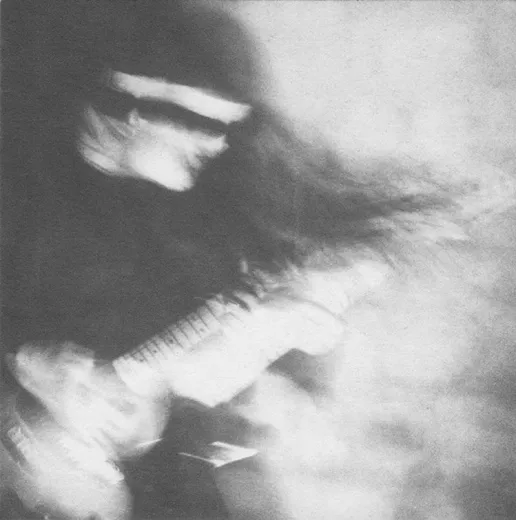
The Book of "Eternity Set Aflame"
1996-02-21
寄り添い合いし 秩序と無秩序の気配かな
1996
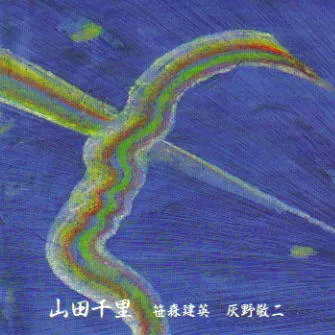
山田千里の不思議な世界
1996
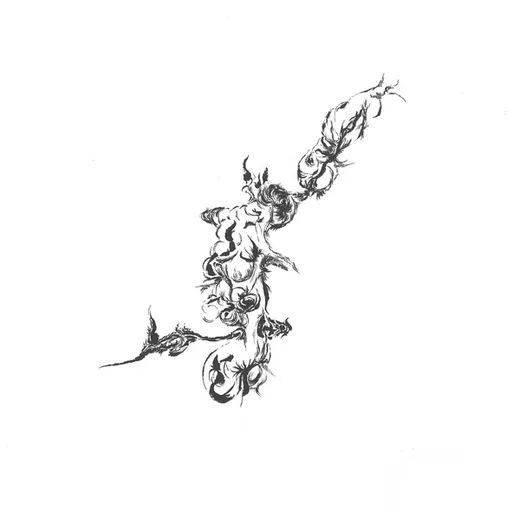
進化してゆく恥じらい、或いは加速する原罪
1996
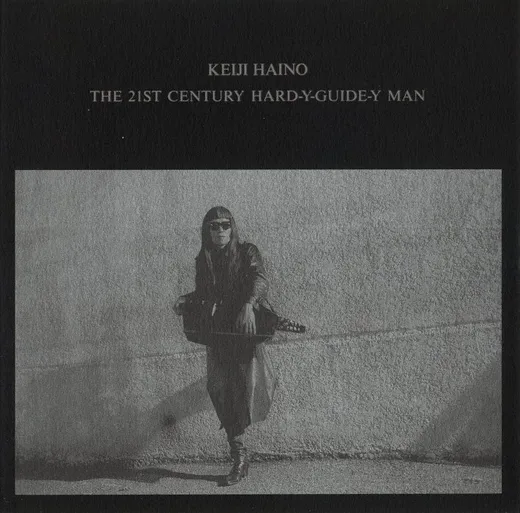
手風琴
1995-11-25
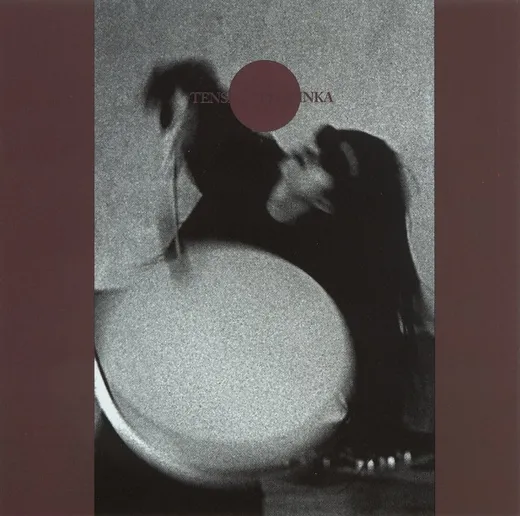
Tenshi no Gijinka
1995-05-03
I Said, This Is the Son of Nihilism
1995
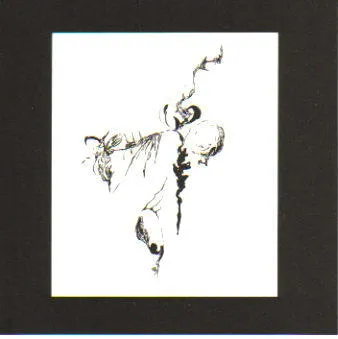
Two Strings Will Do It
1994-03-25
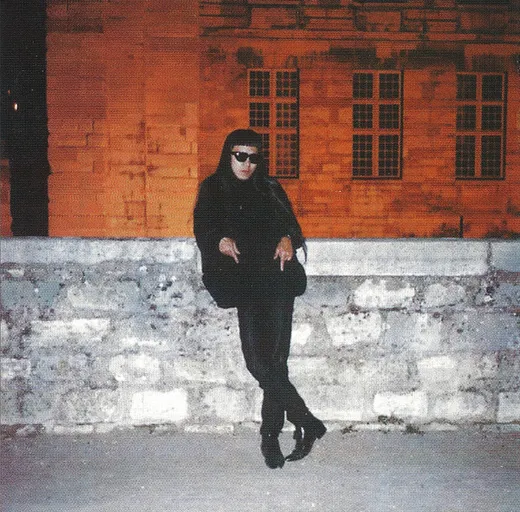
Beginning and End, Interwoven
1994
運命への挑戦
1994
滲有無
1990
わたしだけ?
1981-09
Kommentare
0Bitte anmelden, um zu kommentieren.
Noch keine Kommentare – sei die/der Erste, die/der etwas zu 灰野敬二 schreibt!